
What's Happening?
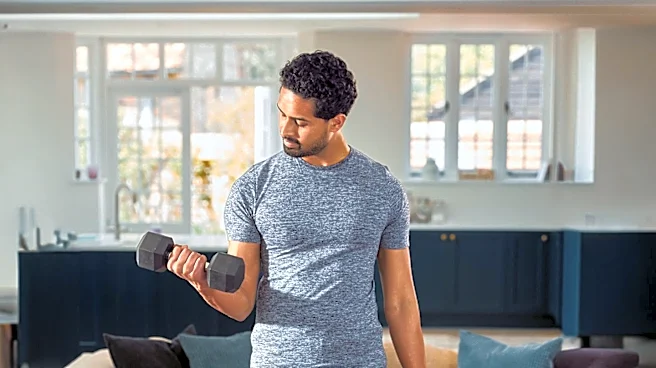
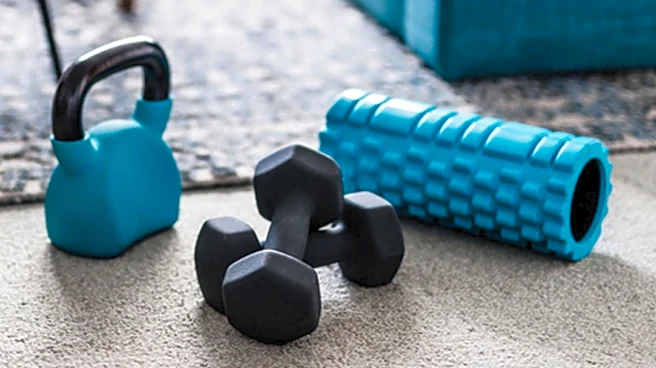
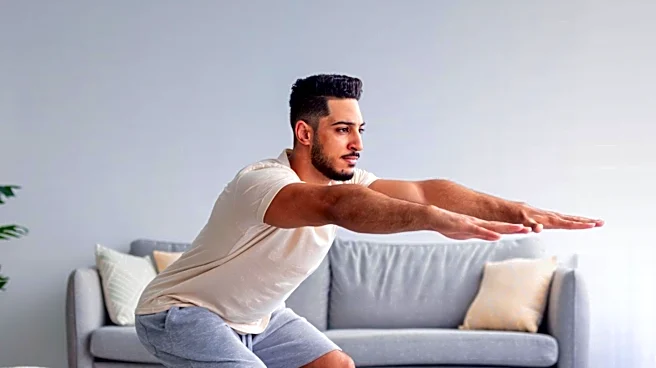
Fitness experts are highlighting effective strategies for men to build strength and muscle through home workouts, even without access to gym equipment. The approach emphasizes bodyweight exercises, progressive
overload, and consistent routines. Key exercises include push-ups, squats, lunges, planks, and glute bridges, which can be modified to increase difficulty as fitness levels improve. Studies indicate that progressive bodyweight training, such as push-ups, can yield similar strength gains to traditional weightlifting exercises like bench presses. The focus is on achieving momentary muscular failure in sets, regardless of the load, to stimulate muscle growth. A typical weekly plan might involve four strength days, two active days, and one rest day, incorporating full-body workouts, cardio, and core exercises. The convenience and cost-effectiveness of home workouts are significant advantages, allowing individuals to train at any time and location without membership fees or travel.
Why It's Important?
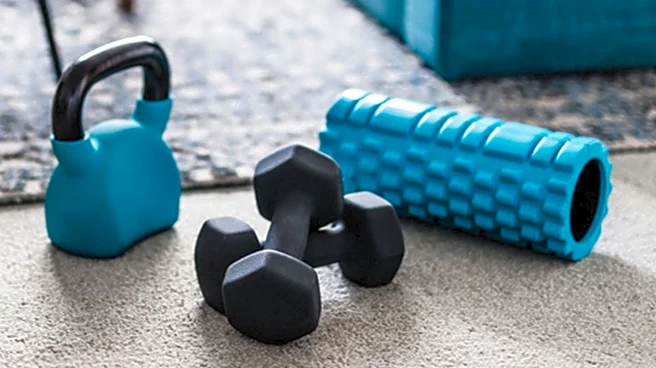
This information is crucial for promoting accessible fitness solutions, particularly for individuals who may face barriers to gym access, such as financial constraints, time limitations, or geographical distance. By demonstrating that significant fitness gains are achievable at home with minimal equipment, it empowers a broader demographic to engage in regular physical activity. This can lead to improved public health outcomes, including reduced rates of chronic diseases associated with sedentary lifestyles. For the fitness industry, it underscores the growing demand for home-based workout programs and equipment, potentially shifting market focus towards versatile, compact, and affordable fitness tools. Furthermore, it highlights the importance of proper exercise form and progressive training principles, ensuring that individuals can pursue fitness safely and effectively outside traditional gym settings.
What's Next?
The trend towards home workouts is likely to continue, with an increased demand for structured online programs, fitness apps, and versatile home exercise equipment. Fitness professionals may further develop specialized bodyweight training programs and virtual coaching services to cater to this growing market. We can expect more innovations in resistance bands, adjustable bodyweight training systems, and other compact fitness tools designed for home use. Educational content focusing on proper form, injury prevention, and progressive overload in a home setting will become even more vital. Additionally, research into the long-term efficacy and psychological benefits of home-based fitness regimens may expand, providing further insights into optimizing these approaches for diverse populations.
Beyond the Headlines
The rise of effective home workout strategies reflects a broader societal shift towards greater autonomy and flexibility in personal well-being. This movement challenges the traditional gym-centric model of fitness, democratizing access to physical health. It also highlights the adaptability of the human body and the effectiveness of fundamental movement patterns when applied consistently and progressively. Ethically, it promotes inclusivity by removing common barriers to exercise, making fitness more attainable for individuals from various socioeconomic backgrounds. Culturally, it may foster a greater appreciation for functional strength and body mastery, moving away from an over-reliance on external equipment for physical development. This shift could lead to a more holistic understanding of fitness, emphasizing sustainable habits and intrinsic motivation over external pressures or expensive memberships.