




What's Happening?
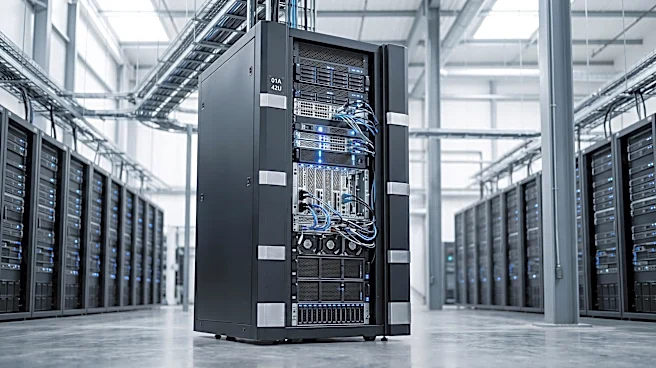
The Stargate Project, a joint venture between Oracle and OpenAI in Abilene, Texas, is implementing a power strategy that includes GE Vernova LM2500XPRESS mobile turbines, Solar Turbines Titan 350 units, and Dynamis Power Solutions DT35 packages. This
approach is designed to power a massive AI data center that could eventually span 4 million square feet across eight buildings and consume up to 1.2 GW of energy. The project also incorporates Battery Energy Storage Systems (BESS) to manage sudden changes in electricity demand, a critical requirement for AI applications. This strategy highlights a growing trend among data center developers to deploy behind-the-meter (BTM) power solutions, including gas turbines and BESS, to circumvent grid capacity shortages and lengthy interconnection queues. Research firm Omdia projects that data centers could deploy 35 GW of BTM power by 2030, as developers prioritize rapid energization of their facilities to meet the accelerating demand for AI infrastructure.
Why It's Important?
The reliance on mobile turbines and BESS for the Stargate Project underscores a significant shift in how large-scale AI data centers are being powered in the U.S. Traditional grid infrastructure is struggling to keep pace with the immense and fluctuating power demands of AI, leading developers to invest in on-site generation. This trend has substantial implications for the energy sector, driving increased demand for gas turbines and battery storage solutions. Companies like GE Vernova, Solar Turbines, and Dynamis Power Solutions are directly benefiting from this surge. Furthermore, the integration of BESS is crucial for stabilizing power supply against the rapid load swings characteristic of AI data centers, which can occur multiple times per second. This creates new market opportunities for BESS providers and highlights the evolving requirements for power infrastructure in the digital age. The urgency to energize these facilities quickly means that developers are willing to invest in alternative power solutions, impacting utility companies and grid planning nationwide.
What's Next?
The trend of AI data centers deploying on-site power solutions, including gas turbines and BESS, is expected to continue and intensify. With large-frame turbine delivery slots booked years in advance, developers will increasingly turn to smaller, more rapidly deployable turbines and mobile generation packages. Investment in BESS is projected to boom, potentially exceeding $50 billion annually by 2030, as these systems become indispensable for managing intermittency from renewable sources and buffering grid instability. Gas engines are also gaining traction as primary power sources, replacing diesel for backup and even serving as main power in some new data center projects. This will likely lead to further innovation in distributed power generation and energy storage technologies. Utilities may eventually acquire some of these on-site power plants as grid infrastructure catches up, but in the short term, the focus will remain on rapid deployment to meet AI compute demand.
Beyond the Headlines
The rapid proliferation of on-site power generation for AI data centers raises broader questions about energy policy, environmental impact, and grid resilience. While these solutions address immediate power needs, the increased reliance on natural gas turbines could have implications for carbon emissions, even with advancements in lower-emission technologies. The decentralization of power generation also shifts some of the burden and responsibility from traditional utilities to private data center operators, potentially altering regulatory frameworks and energy market dynamics. Furthermore, the sheer scale of energy consumption by AI data centers, exemplified by projects like Stargate, highlights the growing energy footprint of the digital economy. This necessitates a re-evaluation of sustainable energy strategies and the development of more efficient AI models and hardware to mitigate future energy demands. The competition for power resources could also lead to localized energy price fluctuations and infrastructure strain in regions with high concentrations of data centers.