





What's Happening?
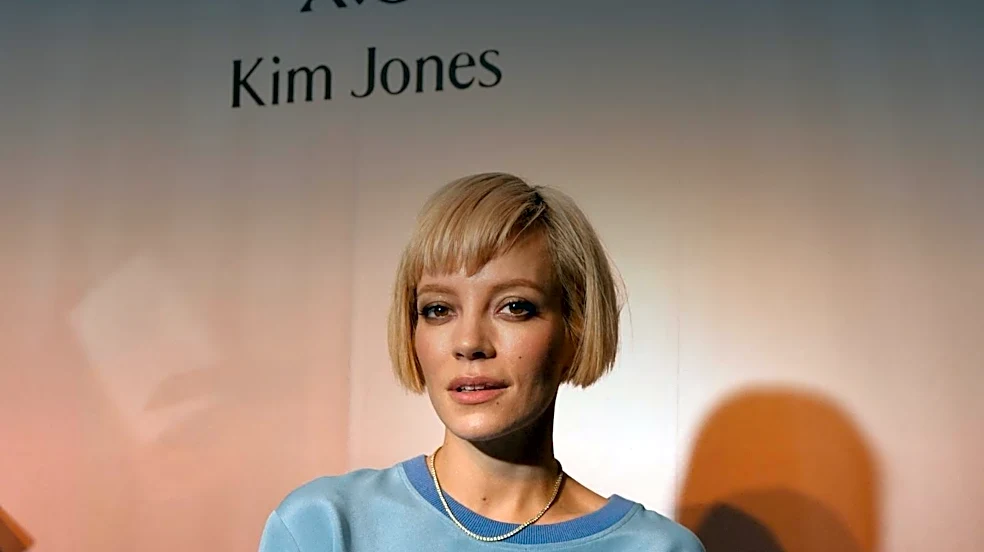
Kim Jones, formerly the creative director for Louis Vuitton menswear, Fendi womenswear, and Dior menswear, has announced the creation of his namesake fashion line. The announcement was made on October 12, with his first collection expected to debut in mid-2027.
Jones stated his desire to 'look at something new' rather than revisiting archives. This move follows his departure from Dior in January 2025 amidst rumors of leadership changes. Jones joins a growing number of established designers, including Phoebe Philo and Francesco Risso, who are opting to build their own brands after successful tenures at major luxury houses. His new brand will feature menswear and womenswear, with a flagship store planned for Central Yards in Hong Kong and a global e-store. The line will offer items ranging from a T-shirt at approximately £150 to a cashmere overcoat at £1,300, with tailoring made in Japan and leather goods in Italy. Jones is financing the venture himself, with additional support from an unnamed investor.
Why It's Important?
This trend of high-profile designers establishing independent labels after working for luxury conglomerates signifies a potential shift in the fashion industry's power dynamics. It challenges the traditional model where designers are primarily seen as creative directors for hire, often constrained by corporate structures and brand heritage. By launching their own lines, designers like Jones gain creative freedom and direct control over their vision, product, and business strategy. This could lead to more innovative and personal collections, potentially fostering a more diverse and dynamic fashion landscape. For consumers, it might mean access to designs that are less influenced by corporate trends and more reflective of a singular artistic vision. This movement also highlights the increasing value of a designer's personal brand and expertise, allowing them to leverage their reputation to build successful independent ventures.
What's Next?
Kim Jones's new line will debut its first collection in mid-2027, with plans for a store opening in Hong Kong and a global e-store. He intends to present collections outside traditional fashion week schedules and focus on direct-to-consumer sales through shop-in-shops in European department stores, rather than wholesale. The success of his venture, alongside those of other independent designers, will be closely watched as an indicator of the viability of this new business model. If successful, it could encourage more designers to pursue independent paths, potentially leading to a decentralization of creative power within the luxury fashion sector. The industry will also observe how these independent brands navigate the challenges of production, distribution, and marketing without the extensive resources of large conglomerates.
Beyond the Headlines
Jones's decision to launch his own line reflects a deeper critique of the luxury business's current state, particularly concerns about high prices and the perceived detachment of designers from the end consumer. His comments about prices being 'too high' and the feeling of being 'behind glass' at large houses suggest a desire for greater authenticity and accessibility in luxury fashion. This move could trigger a re-evaluation within the industry regarding pricing strategies, sustainability, and the relationship between designers, brands, and consumers. It also speaks to the pursuit of agility and creative autonomy, where designers prioritize the ability to 'do whatever I want' over the 'protection' of a corporate umbrella. This shift could foster a more entrepreneurial spirit in high fashion, potentially leading to new business models that prioritize creative integrity and direct engagement with a discerning customer base.