





What's Happening?
Lampascioni, the edible bulbs of Muscari comosum (tassel hyacinth), are a significant part of the culinary tradition in Puglia and Basilicata, Southern Italy. These small, layered bulbs are characterized by their earthy flavor and distinct bitterness,
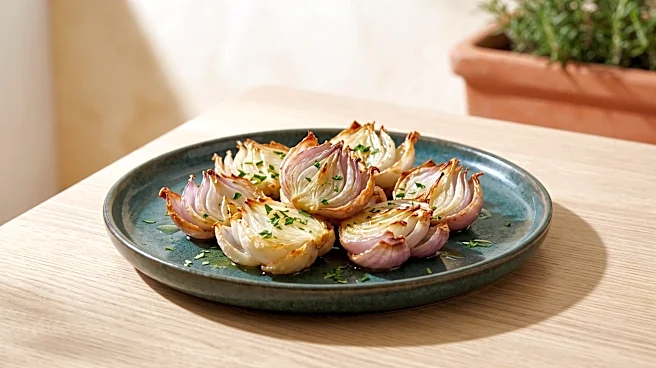
which persists even after careful preparation. Often mistakenly referred to as wild onions due to their appearance, lampascioni are botanically distinct, belonging to the asparagus family. They are harvested from uncultivated land, often requiring manual digging from depths of 20 to 30 centimeters, and undergo a labor-intensive cleaning process to remove roots and outer skins. Traditional preparation methods involve repeated soaking and cooking in water and vinegar to moderate their natural bitterness, aiming for a balanced flavor rather than complete elimination. Lampascioni are served in various ways, including as antipasti dressed with oil and vinegar, fried until they open like flowers, or incorporated into salads, egg dishes, and alongside meats.
Why It's Important?
The culinary use of lampascioni highlights the resourcefulness and deep-rooted food traditions of Southern Italy, particularly in Puglia and Basilicata. This ingredient represents a connection to historical agricultural practices where gathered wild foods supplemented diets. Its unique bitter profile offers a distinct flavor experience that contrasts with the more common sweet or savory ingredients, enriching the diversity of regional cuisine. The labor-intensive harvesting and preparation methods underscore the value placed on traditional foodways and the skill involved in transforming a challenging ingredient into a delicacy. For food enthusiasts and chefs, lampascioni offer an opportunity to explore complex flavors and traditional cooking techniques, contributing to the broader appreciation of Mediterranean culinary heritage. The availability of jarred lampascioni also makes this regional specialty accessible to a wider audience, preserving and promoting its cultural significance.
What's Next?
As lampascioni are a seasonal ingredient, traditionally harvested from December through April, preserved versions in oil ensure their availability year-round. Commercial producers like I Contadini offer jarred lampascioni, which are already cleaned, cooked, and seasoned, making them ready for immediate consumption. This preservation method allows for the continued enjoyment and culinary exploration of lampascioni beyond their natural harvesting season. The ongoing interest in regional Italian cuisine and unique ingredients suggests that lampascioni will continue to be featured in traditional dishes and potentially inspire new culinary applications. Educational efforts, such as guides from The Ambrosian Pantry, will likely continue to inform consumers about the proper identification, preparation, and culinary uses of these distinctive bulbs, ensuring their place in the evolving food landscape.
Beyond the Headlines
The story of lampascioni extends beyond mere culinary practice; it embodies a philosophy of food that values natural flavors, even those that are challenging, and the art of transforming them through traditional methods. The deliberate retention of bitterness, rather than its complete removal, speaks to a sophisticated palate that appreciates complexity and balance. This approach contrasts with modern food trends that often prioritize sweetness or mildness. Furthermore, the reliance on wild-gathered foods like lampascioni reflects a sustainable relationship with the environment, utilizing what nature provides. The cultural significance of lampascioni as a regional specialty also highlights the importance of preserving local food identities in an increasingly globalized culinary world, offering a unique taste that tells a story of place and tradition.