




What's Happening?
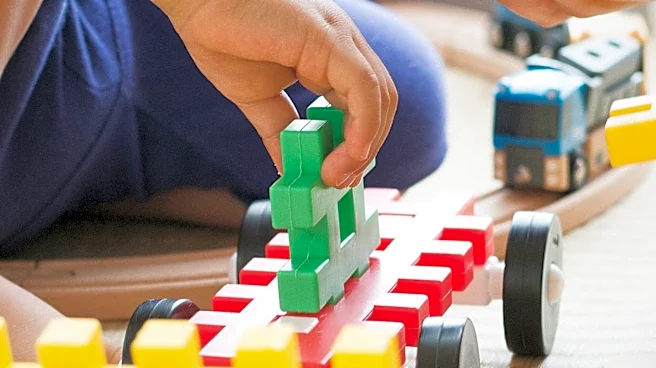
The Fairy Tale Traveler has published an article promoting hands-on, screen-free STEM activities for children to create a balanced learning routine. The piece emphasizes that while screen use can support learning, it is most effective when paired with
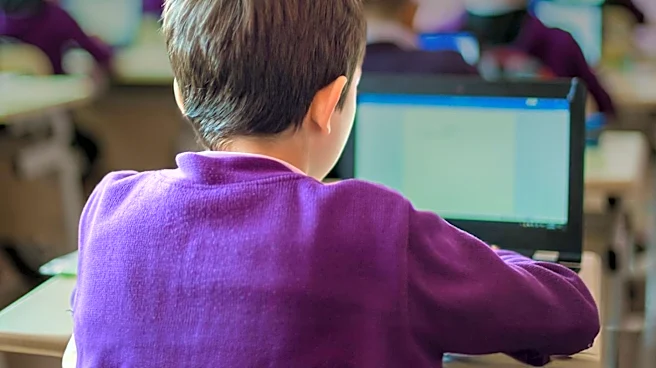
offline tasks that encourage conversation or action. The article suggests a simple rule: for every digital lesson, there should be a corresponding offline activity, such as building a volcano model after watching a video about volcanoes, or sketching a design on paper after using a digital drawing tool. It highlights that active digital learning, which prompts investigation or creation, is more beneficial than passive viewing. The article also provides guidance on choosing appropriate STEM projects, recommending starting with a child's existing interests and using readily available household supplies to foster spontaneous learning and problem-solving skills.
Why It's Important?
This approach is significant for U.S. parents and educators grappling with the challenges of integrating technology into children's learning while ensuring healthy development. By advocating for a balanced routine that prioritizes hands-on engagement, The Fairy Tale Traveler addresses concerns about excessive screen time and its potential impact on physical, cognitive, and social skills. The emphasis on connecting digital exploration with real-world action helps children develop critical thinking, fine motor control, and problem-solving abilities that are crucial for academic success and future careers in STEM fields. This perspective encourages a more intentional use of technology, viewing it as a tool to enhance learning rather than a primary source of instruction, thereby promoting a holistic educational experience for children across the nation.
What's Next?
The recommendations from The Fairy Tale Traveler could influence how parents and educators structure learning environments for children, leading to a greater integration of hands-on STEM activities into daily routines. We might see an increased demand for educational resources that facilitate screen-free learning, such as science kits and project-based learning materials. Schools and educational programs may also adopt similar strategies, encouraging teachers to design lessons that seamlessly transition from digital content to physical exploration and creation. Furthermore, this emphasis on balanced learning could spark broader discussions among policymakers and curriculum developers about the optimal role of technology in early childhood education, potentially leading to new guidelines or best practices for screen time management and STEM instruction.
Beyond the Headlines
The article subtly addresses the broader societal debate about the impact of digital immersion on childhood development. By advocating for screen-free activities, it champions the importance of tactile experiences, imaginative play, and direct interaction with the physical world, which are often diminished in a screen-dominated environment. This approach fosters not only academic skills but also creativity, resilience, and a deeper understanding of abstract concepts through concrete manipulation. Ethically, it encourages parents and educators to be mindful consumers of educational technology, prioritizing quality and purpose over mere digital engagement. Culturally, it promotes a return to fundamental learning principles that value exploration, experimentation, and the joy of discovery through hands-on engagement, potentially shaping a generation of learners who are both digitally literate and deeply connected to the physical world.