







What's Happening?
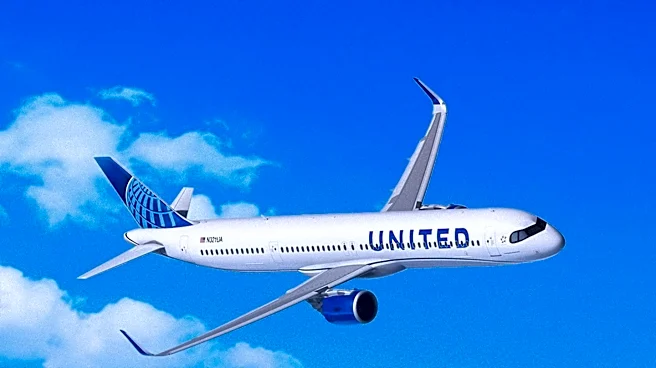
United Airlines is implementing a new tiered fare structure for its long-haul business class, Polaris, and introducing a 'Relax Row' in economy on select flights, starting in 2027. The Polaris business class will now offer three fare types: Base, Standard,
and Flexible. The Base fare, the lowest-priced option, comes with restrictions such as potential charges for seat selection, reduced checked baggage allowance, and exclusion from Polaris lounge access, instead offering access to the standard United Club. These Base fares will also not be eligible for upgrades. The 'Relax Row' concept will transform a standard row of three economy seats into a lie-flat, couch-style bed, measuring approximately 57 inches long and 30 inches wide, complete with a mattress pad, pillows, and a blanket. This new economy option is expected to roll out on Boeing 787 and 777 aircraft, with plans to expand to over 200 long-haul routes by 2030. These changes are part of a broader strategy by United to segment the flying experience and offer more varied pricing options across all cabin classes.
Why It's Important?
This strategic shift by United Airlines is significant for the U.S. airline industry and its passengers. The introduction of tiered business class fares, a model already common among international carriers, marks a first for a major U.S. airline. While it offers a lower entry price point for business class, it unbundles traditional perks, potentially altering the value proposition for premium travelers. This could lead to increased ancillary revenue for United as passengers pay extra for previously included services like seat selection and lounge access. For frequent flyers, particularly those with elite status, the ineligibility of Base fares for upgrades and the potential for more filled business class cabins could make using PlusPoints for upgrades more challenging. The 'Relax Row' aims to cater to travelers seeking more comfort than standard economy without the full cost of business class, potentially attracting a new segment of customers and increasing revenue from economy cabins. This move reflects a broader industry trend towards greater fare segmentation and personalized pricing, impacting how all travelers perceive and purchase air travel.
What's Next?
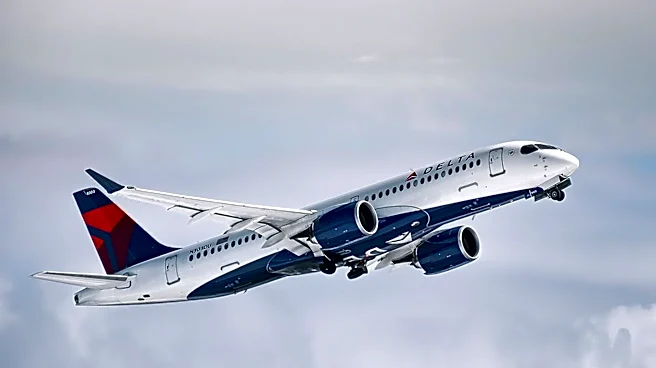
United's new fare structures and the 'Relax Row' are set to roll out starting in 2027. The airline will likely monitor customer response and revenue performance closely to refine these offerings. It is anticipated that other major U.S. airlines, such as Delta, may follow suit with similar tiered premium cabin fares, as this unbundling strategy has proven successful internationally. Travelers will need to carefully evaluate the inclusions and restrictions of each fare type to determine the best value for their needs. For frequent flyers, adapting to the new upgrade dynamics will be crucial, potentially requiring changes in booking strategies. The expansion of the 'Relax Row' to over 200 long-haul routes by 2030 indicates a long-term commitment to this new economy product. The success of these initiatives will likely influence future innovations in airline pricing and cabin configurations across the industry, further segmenting the travel experience.
Beyond the Headlines
United's move towards tiered business class fares and the 'Relax Row' represents a deeper evolution in the airline industry's approach to customer segmentation and revenue management. It signifies a continued shift away from all-inclusive premium experiences towards a more à la carte model, where passengers pay for each desired amenity. This strategy, while offering more choice, also places a greater burden on consumers to understand complex fare rules and potential hidden costs. Ethically, it raises questions about the perceived value of premium travel and whether the 'cheaper' business class fares truly offer a comparable experience. Culturally, it reflects a broader societal trend of personalization and customization, where consumers expect to tailor products and services to their exact preferences, even if it means paying for each component individually. This unbundling could lead to a more stratified travel experience, with a wider gap between the most basic and most luxurious offerings, fundamentally reshaping expectations for air travel.