

What's Happening?
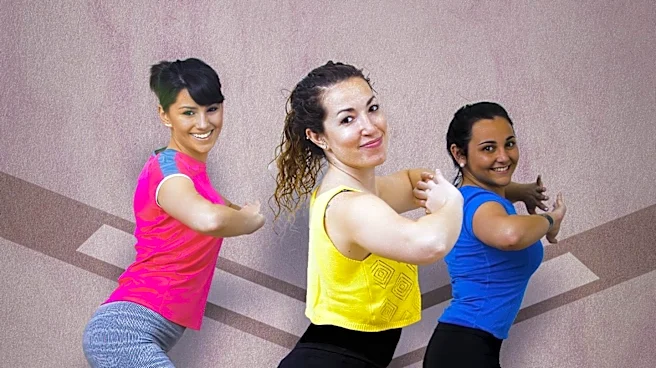
Zumba is a popular fitness program that integrates hypnotic musical rhythms with dance moves, catering to participants from beginners to advanced levels. The workout incorporates a diverse range of dance styles, including salsa, merengue, hip-hop, and
reggaeton. Classes feature a mix of faster and slower songs, designed to build endurance, improve cardiovascular fitness, and strengthen the body through rhythmic dance. The program emphasizes an enjoyable and easy-to-follow approach, making it accessible to a wide audience. Participants can expect a full-body workout, with specific movements targeting the core, legs, and glutes. While classes are high-energy and may involve jumping, low-impact alternatives are often provided to accommodate different fitness levels and physical needs. The focus is on moving to the music and having a good time, rather than requiring advanced dance skills.
Why It's Important?
Zumba's widespread appeal stems from its ability to transform exercise into an engaging and social activity, which is crucial for promoting consistent physical activity in the U.S. population. By blending various dance styles and music, it offers a refreshing alternative to traditional workouts, potentially attracting individuals who might otherwise avoid exercise. The program's emphasis on fun and accessibility helps to lower barriers to entry for fitness, contributing to improved public health outcomes by combating sedentary lifestyles. Its full-body workout benefits, including cardio, strength, and flexibility, address multiple aspects of physical well-being. Furthermore, the community aspect of group classes can foster social connections and provide motivation, which are important factors in long-term adherence to fitness routines. This approach to fitness can have a positive impact on mental health as well, as dance and music are known stress relievers.
What's Next?
As Zumba continues to evolve, future developments may include the integration of new dance styles and musical genres to keep the program fresh and appealing. There could be an expansion of specialized Zumba classes, such as those incorporating weights for increased strength training (e.g., Zumba Toning) or step platforms (e.g., Zumba Step), to cater to diverse fitness goals. The program might also see further adaptation for specific demographics, such as older adults or individuals with mobility limitations, through more tailored low-impact or chair-based versions. Continued emphasis on instructor training and certification will be vital to maintain the quality and safety of classes. Additionally, the growth of online fitness platforms could lead to an increased availability of virtual Zumba classes, making the workout accessible to an even broader audience regardless of geographical location.
Beyond the Headlines
Beyond its immediate fitness benefits, Zumba plays a significant role in cultural exchange and appreciation within the U.S. By incorporating Latin and international dance music, it exposes participants to diverse cultural expressions, fostering a sense of global connection through movement. This cultural immersion can broaden perspectives and promote inclusivity, making fitness spaces more welcoming to people from various backgrounds. The program's success also highlights the psychological power of music and dance in enhancing mood and reducing stress, offering a holistic approach to well-being that extends beyond physical health. Furthermore, Zumba's model demonstrates how a fitness trend can create a global community, illustrating the potential for shared activities to build social capital and support networks, which are increasingly important in an interconnected world.