

What's Happening?
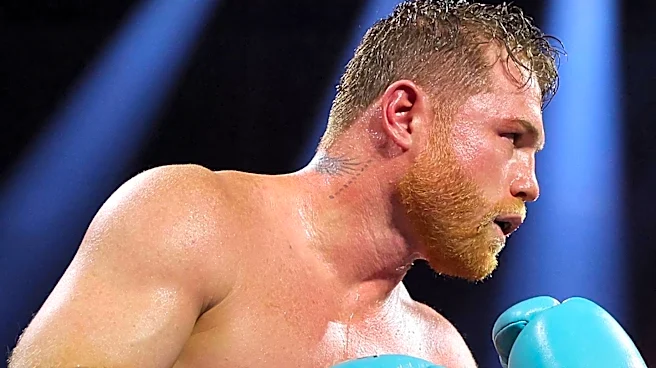
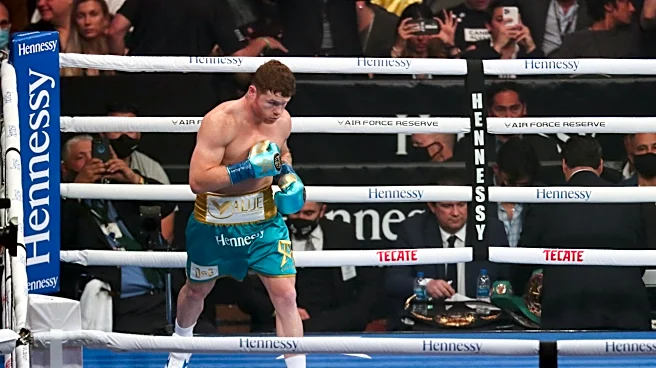
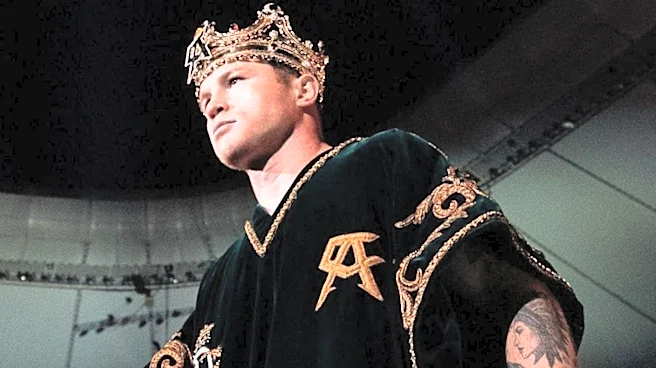
Canelo Alvarez has been granted approval by the World Boxing Council (WBC) to challenge for the light heavyweight title in his upcoming fight, should he choose to pursue it. This development follows Alvarez's recent victory in October, where he reclaimed
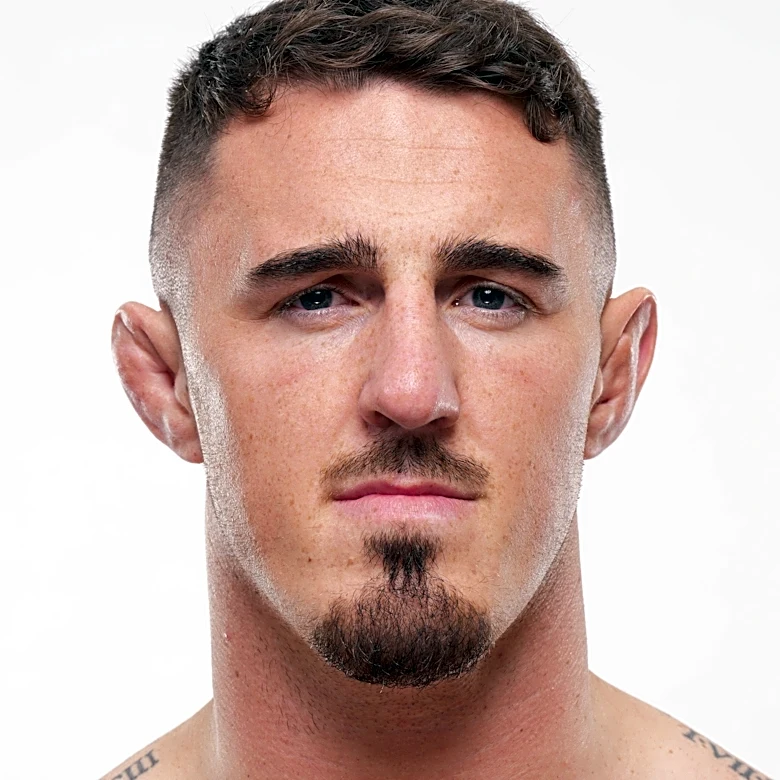
the WBC super middleweight crown by defeating Christian Mbilli in Riyadh, Saudi Arabia. Instead of focusing on unification bouts at 168 pounds, Alvarez has expressed interest in moving up a division to 175 pounds to potentially face Scotland's Willy Hutchinson for the WBC strap. Alvarez is familiar with the light heavyweight division, having previously held the WBO light heavyweight title in 2019 after defeating Sergey Kovalev, though he was unsuccessful in capturing the WBA strap against Dmitry Bivol three years later. WBC President Mauricio Sulaiman confirmed that the organization would approve Alvarez's move, stating that his recent win was significant after a challenging year that included a loss and an injury.
Why It's Important?
This decision by the WBC holds significant implications for the boxing world, particularly for Canelo Alvarez's career trajectory and the light heavyweight division. If Alvarez decides to challenge for the WBC light heavyweight title, it would mark another attempt for him to become a multi-division world champion, further solidifying his legacy in the sport. His presence in the light heavyweight division would undoubtedly draw considerable attention and potentially lucrative matchups, benefiting promoters and broadcasters. For Willy Hutchinson, a fight against a high-profile opponent like Alvarez would represent a massive opportunity to elevate his status and secure a significant payday. The WBC's willingness to fast-track Alvarez into a title shot, bypassing a mandatory challenger, highlights the commercial power and influence of a fighter of Alvarez's caliber, potentially setting a precedent for how top-tier fighters can navigate different weight classes for championship opportunities.
What's Next?
The immediate next steps involve Canelo Alvarez making a definitive decision on whether to pursue the WBC light heavyweight title against Willy Hutchinson or to remain in the super middleweight division. The WBC has not yet designated a mandatory challenger for Hutchinson, leaving the door open for Alvarez. However, a title eliminator between No.1-ranked contender Artur Beterbiev and No.5-ranked Najee Lopez is currently being considered, which could complicate Alvarez's path if he delays his decision. WBC President Mauricio Sulaiman indicated that the organization would wait to see Alvarez's choice in the coming weeks. If Alvarez opts for the light heavyweight challenge, it would be approved as a 'champion against champion' bout. Conversely, if he chooses to stay at super middleweight, there are other alternatives for his next fight.
Beyond the Headlines
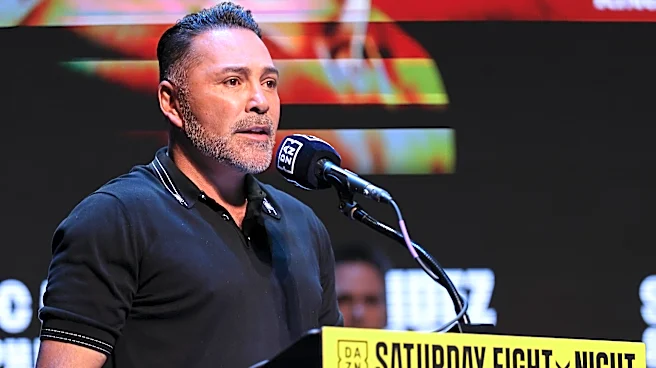
The potential move by Canelo Alvarez to the light heavyweight division and the WBC's swift approval raise broader questions about the integrity of mandatory challenger systems in boxing and the influence of star power. While Alvarez's marketability is undeniable, allowing him to bypass established contenders could be seen as undermining the traditional path to a world title for other fighters who have diligently climbed the rankings. This scenario highlights the ongoing tension between sporting merit and commercial viability in professional boxing. Furthermore, Oscar De La Hoya's recent accusations that Alvarez is 'milking the sport' by choosing favorable opponents add another layer to the narrative, suggesting that some critics believe Alvarez prioritizes financial gain and legacy management over facing the most challenging opponents available. This situation could fuel debates about the fairness and competitive balance within boxing's championship structures.