



What's Happening?
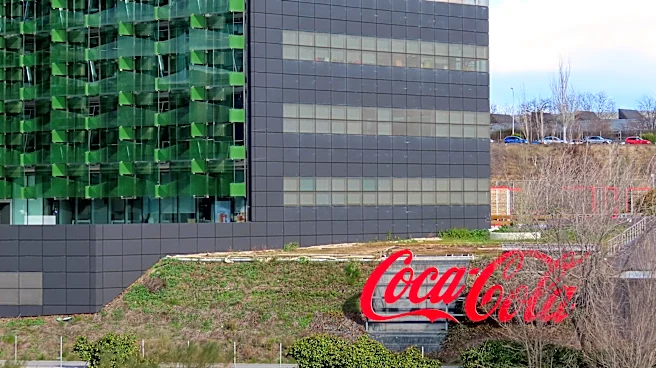
The Coca-Cola Company, in conjunction with Gutsche Family Investments, has finalized the sale of a 75% controlling stake in Coca-Cola Beverages Africa to its bottling partner, Coca-Cola HBC. This transaction, valued at $2.6 billion, is a strategic move
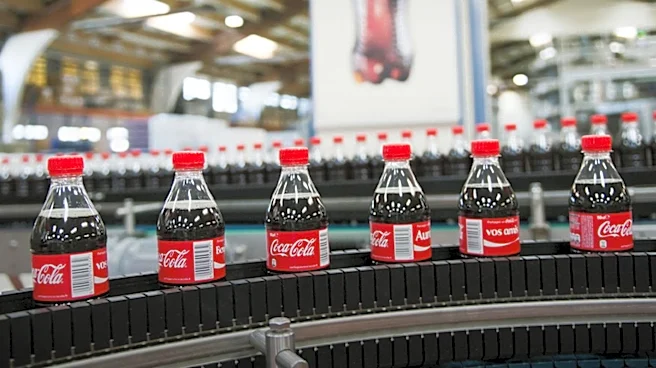
by Coca-Cola to streamline its operations by reducing direct involvement in capital-intensive bottling activities. Coca-Cola HBC, which manufactures, packages, and distributes beverages across international markets, will now expand its reach by adding 14 African markets to its operations, making it the world's second-largest Coca-Cola bottler by volume. The expanded business will serve over 1.2 billion consumers across 43 European and African markets. Coca-Cola will retain a 25% stake in the African bottling business, with an agreement allowing Coca-Cola HBC to acquire this remaining interest within six years.
Why It's Important?
This deal is significant for Coca-Cola as it reinforces a business strategy focused on high-margin concentrate operations, shifting manufacturing and distribution responsibilities to independent bottling partners. For shareholders, the primary appeal lies in the potential for improved operating margins and enhanced capital efficiency. Investors will be closely monitoring operating margins, free cash flow, and organic revenue growth as the African bottling operations are removed from Coca-Cola's consolidated financial results. The transaction also highlights Africa's growing importance as a long-term growth opportunity for beverage companies seeking new customers beyond more mature Western markets. For Coca-Cola HBC, the acquisition is projected to boost earnings per share by a low-single-digit percentage in 2027, while maintaining financial leverage within its target range.
What's Next?
Coca-Cola HBC is expected to provide further details regarding its African expansion strategy and integration plans during its upcoming earnings presentation on February 17. Investors will be looking for insights into how the company plans to manage potential risks such as currency fluctuations, regional inflation, and integration expenses associated with the acquisition. The long-term success of this strategic shift for Coca-Cola will depend on its ability to maintain strong commercial relationships with its bottling partners and effectively leverage the growth potential of emerging markets. The agreement for Coca-Cola HBC to acquire the remaining 25% stake within six years also sets a clear timeline for the complete divestment of Coca-Cola's direct ownership in these bottling operations.
Beyond the Headlines
This transaction reflects a broader trend in the beverage industry where major brands are increasingly divesting from capital-intensive bottling operations to focus on brand development, marketing, and concentrate sales. This strategy allows companies like Coca-Cola to achieve greater asset-lightness and potentially higher profitability by outsourcing the physical production and distribution. The move also underscores the growing economic importance of African markets, which are becoming key battlegrounds for global consumer goods companies seeking new avenues for growth. The deal's structure, with Coca-Cola retaining a minority stake and a future acquisition option, suggests a carefully managed transition designed to ensure continuity and minimize disruption while maximizing long-term strategic benefits for both parties.