




What's Happening?
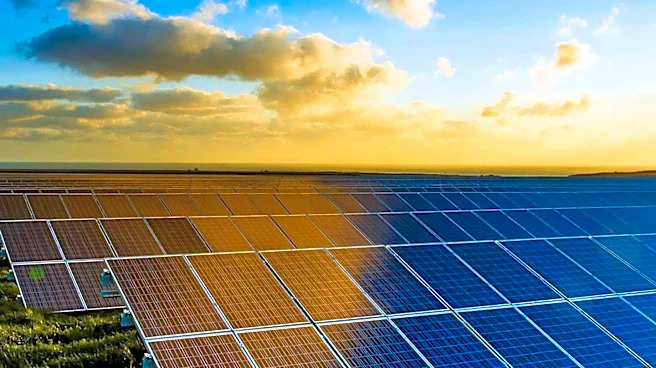
Entergy New Orleans and the Urban League of Louisiana have initiated a partnership to establish a career training program focused on the clean energy sector. This initiative aims to bridge the employment gap for individuals in underrepresented communities
by providing them with access to career opportunities in clean energy. Entergy New Orleans has supported this workforce development program with a $25,000 contribution. The multi-year partnership will guide participants through pre-apprenticeship programs, leading to opportunities in registered apprenticeship programs. The primary goal is to equip job seekers with the necessary educational tools, training, and resources for various roles within the energy sector, including positions such as line workers, electricians, and technicians. Judy Reese Morse, President and CEO of Urban League of Louisiana, emphasized that this program is a strategy to close the racial wealth gap and strengthen the Louisiana economy for all residents.
Why It's Important?
This partnership is significant for several reasons, particularly for the U.S. economy and society. Firstly, it addresses the critical need for skilled labor in the burgeoning clean energy sector, which is vital for the nation's transition to sustainable energy sources. By focusing on underrepresented communities, the program also tackles issues of economic inequality and social mobility, providing pathways to well-paying jobs for individuals who might otherwise face barriers to employment. This directly contributes to closing the racial wealth gap, a persistent challenge in the U.S. The investment in workforce development not only benefits individuals but also strengthens the local and national economy by creating a more diverse and skilled labor force. Furthermore, the collaboration between a major utility company and a community organization demonstrates a model for corporate social responsibility and community engagement, which can inspire similar initiatives across the country. The program's emphasis on practical training for roles like electricians and line workers ensures that participants gain tangible skills that are immediately applicable in the job market.
What's Next?
The career training program, supported by Entergy New Orleans and the Urban League of Louisiana, is designed as a multi-year initiative. This suggests a sustained effort to develop a pipeline of skilled workers for the clean energy sector. Future steps will likely involve the continuous enrollment of participants into pre-apprenticeship and registered apprenticeship programs. The success of the program will be measured by the number of individuals who complete the training and secure employment in the energy sector. There may also be efforts to expand the program's scope, potentially including more specialized training areas or reaching a broader demographic of job seekers. The partnership could serve as a blueprint for other regions looking to address workforce development challenges in emerging industries while promoting economic equity. Continued funding and support from both the corporate and non-profit sectors will be crucial for the program's long-term viability and impact. The Urban League of Louisiana, in collaboration with Congressman Troy Carter, aims to ensure that underrepresented communities are well-positioned to achieve their full career potential through such expanded apprenticeship offerings.
Beyond the Headlines
Beyond the immediate benefits of job creation and economic empowerment, this clean energy training program has deeper implications for environmental justice and community resilience. By actively involving underrepresented communities in the clean energy transition, the initiative helps ensure that the benefits of a green economy are equitably distributed, rather than exacerbating existing inequalities. Historically, these communities have often borne a disproportionate burden of environmental pollution and lacked access to economic opportunities in new industries. This program represents a step towards rectifying those imbalances. Moreover, by training local residents for roles in the energy sector, it fosters a sense of ownership and participation in the region's energy future, potentially leading to more sustainable and community-supported energy policies. The focus on local workforce development also builds resilience within communities, making them less vulnerable to economic downturns and more capable of adapting to technological shifts. This model could inspire a broader movement towards inclusive green economic development across the U.S., where environmental sustainability and social equity are pursued hand-in-hand.