






What's Happening?
Amazon has announced a new lineup of smart home devices, including an updated Echo Dot, Echo Studio with Home Camera, Echo Time, Echo Show 16, and Alexa Photo Frame. These devices are designed to integrate more deeply with Amazon's AI-powered Alexa+,
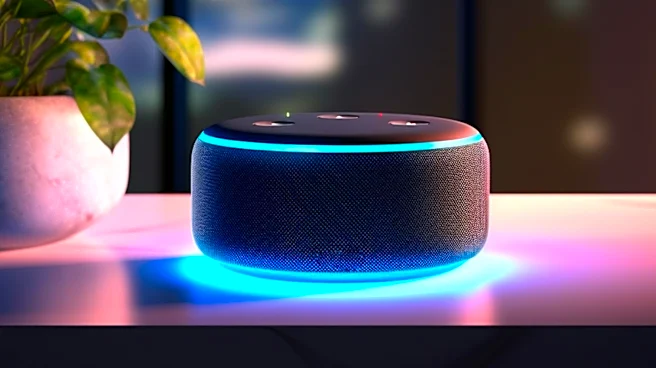
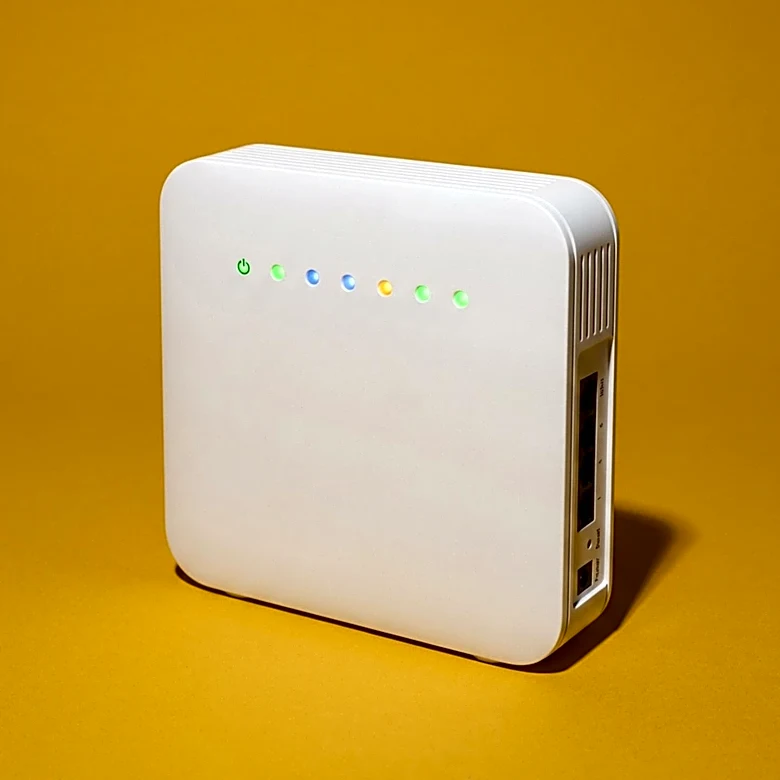
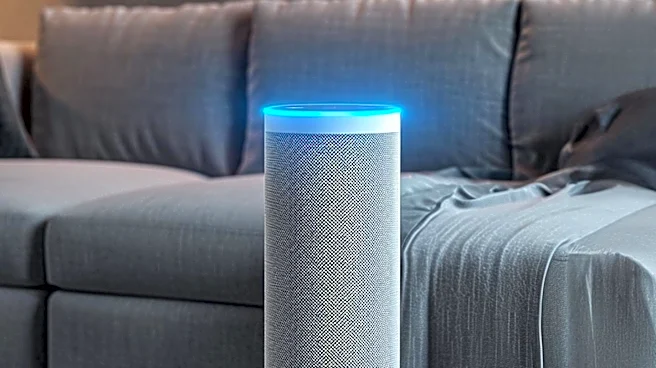
offering advanced capabilities and personalized experiences. The new Echo Dot features improved audio and serves as a smart home hub with support for Zigbee, Matter, and Thread, and can function as an eero WiFi extender. The Echo Studio now includes an onboard camera, enhancing Alexa+'s ability to recognize individuals and personalize music playback, while also offering live streaming for home monitoring. The Echo Time focuses on customizable clock faces and sleep-wake routines, with a kids' version available. The Echo Show 16, Amazon's most powerful Echo Show, acts as a comprehensive smart home hub with a redesigned Alexa interface that presents conversations as interactive cards and introduces the Alexa Home Map for virtual home control. The Alexa Photo Frame brings AI to digital photo displays, intelligently grouping images and allowing for voice notes.
Why It's Important?
Amazon's latest smart home device releases are significant for the U.S. market as they push the boundaries of AI integration and user experience in connected living. The enhanced Alexa+ capabilities, particularly in personalization and proactive assistance, aim to make smart homes more intuitive and responsive to individual needs. The Echo Dot's new role as a smart home hub and WiFi extender could simplify home network management and device interoperability for many U.S. households. The introduction of a camera in the Echo Studio and the advanced features of the Echo Show 16, such as the Alexa Home Map, indicate a move towards more comprehensive home monitoring and control solutions. This expansion of Amazon's smart home ecosystem intensifies competition within the U.S. technology sector, particularly with companies like Google and Apple, driving further innovation in AI, privacy features, and device integration. The focus on privacy, with features like non-recording cameras and physical controls, addresses growing consumer concerns in the U.S. regarding data security in smart home environments.
What's Next?
Consumers in the U.S. can expect these new Amazon smart home devices to become widely available, with some already on sale and others available for preorder. The integration of these devices into existing Amazon ecosystems will likely lead to a more seamless and interconnected smart home experience. Amazon will likely continue to refine Alexa+'s AI capabilities, focusing on more natural conversations and predictive assistance. The company's emphasis on privacy features suggests ongoing efforts to build user trust, which will be crucial for the widespread adoption of camera-equipped smart devices. Competitors are expected to respond with their own innovations, potentially leading to a rapid evolution in smart home technology, including advancements in AI, interoperability standards, and user interfaces. The development of the Alexa Home Map could also pave the way for more sophisticated virtual representations and control of home environments, potentially integrating with other smart home platforms.
Beyond the Headlines
The increasing sophistication of AI in smart home devices, as exemplified by Amazon's new offerings, raises important questions about the future of human-technology interaction and privacy in the U.S. The ability of devices to recognize individuals, personalize experiences, and monitor home environments, even with privacy safeguards, blurs the lines between convenience and surveillance. The concept of a 'zero-labor home' or a highly automated living space could lead to a re-evaluation of domestic roles and responsibilities. Furthermore, the reliance on a single ecosystem, such as Amazon's, for managing multiple aspects of home life could create concerns about vendor lock-in and data monopolies. The ethical implications of AI making decisions or offering suggestions based on personal data will become more prominent, necessitating ongoing public discourse and regulatory oversight to ensure responsible development and deployment of these technologies. The long-term impact on digital literacy and the potential for a growing divide between those with access to advanced smart home technologies and those without also warrant consideration.