







What's Happening?
Chaim Romano, owner of the Delray Beach-based vintage furniture resale company Dolphin & Flamingo, specializes in sourcing and selling 'quintessentially Florida' furniture. His inventory includes a wide range of styles, from 1980s 'cocaine-era' decor
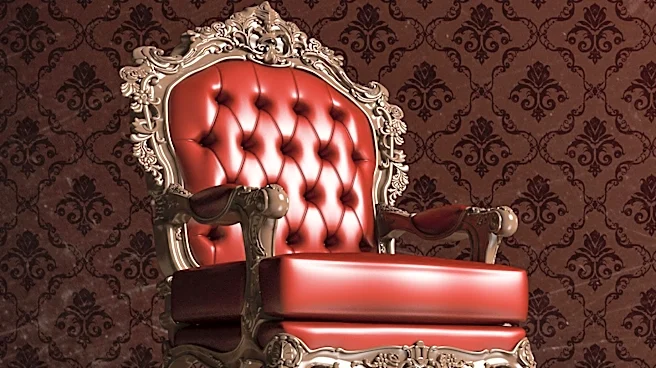
with vibrant pastels and laminate pieces to mid-century modern, French Provincial, Rococo, and tropical styles featuring rattan, bamboo, and wicker. Romano initially entered the resale industry to pursue his interest in Florida's history through its furniture. He often acquired pieces by clearing out retirement homes, where he discovered high-quality items from previous decades. While his business initially focused on postmodern Art Deco Revival and brightly colored laminate furniture, about 90% of his current inventory consists of 'colorful, tropical stuff' found in South Florida's retirement communities. He also stocks antique-looking Asian furniture, such as lacquered tables with Mother of Pearl inlays and illustrated room dividers, which he notes are surprisingly common in South Florida.
Why It's Important?
The success of Dolphin & Flamingo highlights a significant trend in the U.S. homeware market: the growing demand for vintage and antique furniture, particularly pieces with a distinct regional aesthetic. While based in Florida, the majority of Romano's sales are to customers in the Northeast, Texas, Southern California, and the Midwest, indicating a national appreciation for unique, character-filled items over mass-produced new furniture. This trend supports local businesses specializing in vintage goods and offers consumers sustainable alternatives to new purchases. The market for vintage furniture also reflects a desire for individuality and historical connection in home decor, moving away from more uniform, contemporary styles. Furthermore, the business model of sourcing from retirement communities provides a unique channel for these items to re-enter the market, preserving pieces that might otherwise be discarded.
What's Next?
For consumers interested in vintage furniture, Romano advises buying directly from sellers like Dolphin & Flamingo to avoid platform fees and secure better shipping rates. He also recommends resisting the urge to furnish an entire space with a single aesthetic, instead encouraging a mix of styles to create a more personalized look. The continued demand for vintage pieces suggests that more businesses may emerge to cater to this niche, potentially leading to increased competition and diversification in sourcing methods. Online platforms will likely remain crucial for reaching a broad customer base, but direct-to-consumer sales could become more prevalent as buyers seek value and authenticity. The emphasis on unique, character-rich items is expected to continue influencing interior design trends, encouraging a blend of old and new in home decor.
Beyond the Headlines
The popularity of vintage furniture, as exemplified by Dolphin & Flamingo, points to deeper cultural and economic shifts. Environmentally, it promotes sustainability by extending the life cycle of existing goods and reducing the demand for new manufacturing. Aesthetically, it reflects a move towards more personalized and less disposable consumption, where items are valued for their history and unique imperfections rather than pristine newness. The 'patina and personality' of vintage pieces, as described by experts, offer a counter-narrative to the fast-furniture trend, encouraging consumers to invest in quality and character. This also has implications for local economies, supporting small businesses and artisans involved in restoration and resale. The blend of diverse styles, including Asian-inspired pieces found in Florida, also speaks to the evolving and often eclectic nature of American interior design, influenced by various cultural flows and historical periods.