


What's Happening?
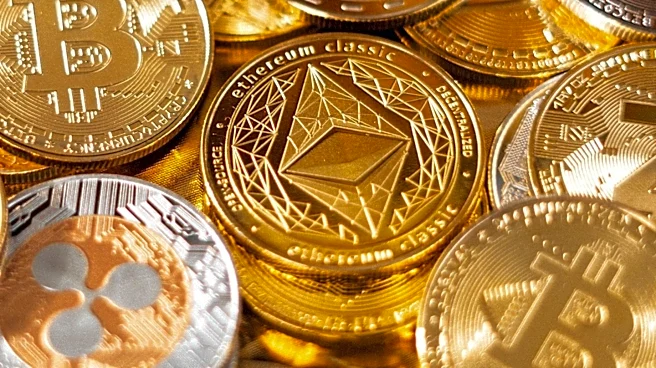
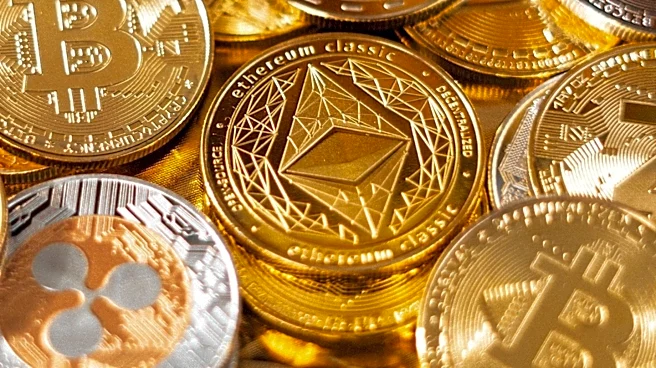
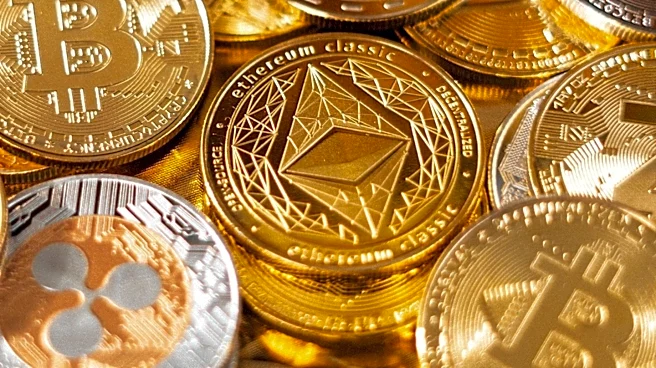
Ripple, a company known for its XRP Ledger designed to facilitate instant, low-fee global money transfers for financial institutions, is seeing its associated cryptocurrency, XRP, experience a significant decline in value. Despite continuous upgrades
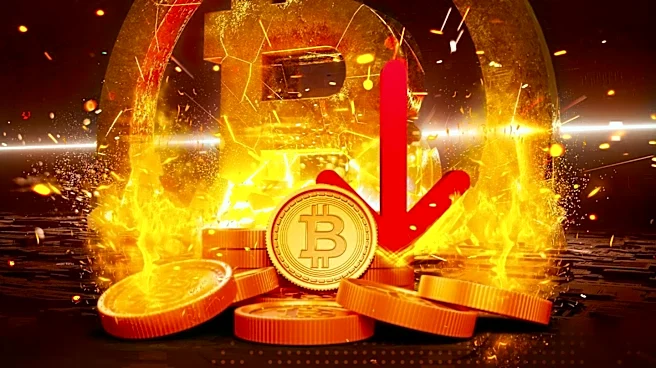
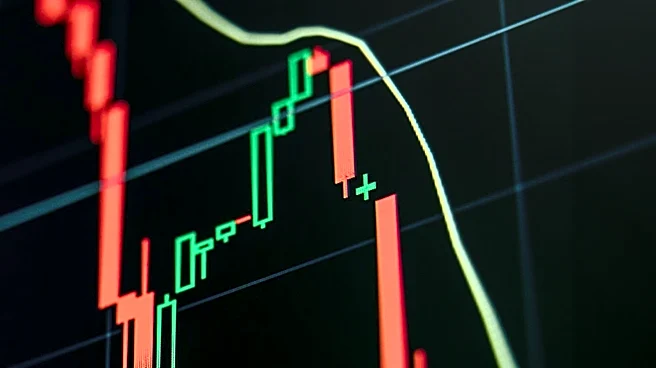
to the XRP Ledger, XRP has lost 75% of its value since its peak of $3.65 per token, currently trading at $0.93 as of November 20. Ripple's payment network aims to streamline cross-border transactions by enabling direct communication between banks, potentially eliminating intermediaries and reducing costs. While XRP can facilitate direct and instant settlements, Ripple introduced a stablecoin, Ripple USD (RLUSD), in late 2024. RLUSD offers zero volatility, making it a safer alternative for U.S. dollar-based transactions, especially as stablecoins gain regulatory acceptance across various regions. Although RLUSD operates on the XRP Ledger and requires XRP tokens for transaction fees, this demand has not been sufficient to halt XRP's depreciation.
Why It's Important?
The declining value of XRP, despite Ripple's ongoing innovations and the launch of its stablecoin, highlights a critical shift in the digital asset landscape. The introduction of Ripple USD (RLUSD) signifies a strategic move by Ripple to cater to the growing demand for stable, regulated digital currencies in cross-border payments. This could impact the broader cryptocurrency market by demonstrating that utility alone may not guarantee value appreciation for native tokens if more stable alternatives emerge within the same ecosystem. For financial institutions, RLUSD offers a more predictable and less volatile option for transactions, potentially accelerating the adoption of blockchain-based payment solutions. However, the reliance on XRP for transaction fees within the RLUSD framework creates a complex dynamic, where the success of the stablecoin might not directly translate into a recovery for XRP's price. This situation could influence how other blockchain projects structure their tokenomics, especially when integrating stablecoins into their platforms.
What's Next?
The future trajectory of XRP will likely depend on several factors, including the broader cryptocurrency market recovery and the adoption rate of Ripple USD. If stablecoins continue to capture a larger share of transaction volumes, XRP may face further challenges in regaining its previous value, despite its role in facilitating transaction fees for RLUSD. Investors will be closely watching whether the demand generated by RLUSD's transaction fees can eventually offset the selling pressure on XRP. Additionally, regulatory developments surrounding both cryptocurrencies and stablecoins in key markets will play a crucial role. Increased regulatory clarity and acceptance for stablecoins like RLUSD could boost their utility and adoption, indirectly affecting the demand for XRP. The ongoing upgrades to the XRP Ledger and any new use cases for XRP beyond transaction fees could also influence its future performance.
Beyond the Headlines
The divergence in fortunes between XRP and Ripple's new stablecoin, RLUSD, points to a deeper evolution in the utility and perception of digital assets. While XRP was initially envisioned as a bridge currency for rapid settlements, the market's preference for stability in transactional contexts is increasingly evident. This trend suggests a potential bifurcation in the digital asset space: one for speculative, volatile assets and another for stable, utility-driven instruments. The reliance on XRP for transaction fees within the RLUSD ecosystem presents an interesting economic model, where the underlying token's value is tied to the operational costs of a more stable asset. This could lead to new models for token utility, where a volatile asset serves as a 'gas' for a stable one. The long-term implications could reshape how financial institutions engage with blockchain technology, prioritizing stability and regulatory compliance over the speculative gains often associated with cryptocurrencies.