






What's Happening?
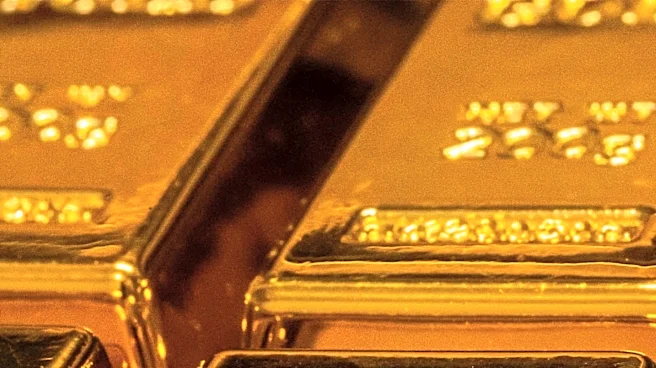
The distinction between karat gold and pure gold is crucial for consumers, investors, and traders. Pure gold, typically 24 karats (24K), signifies an extremely high level of purity, often refined to 99.9% or 99.99% fineness. This means it contains 24 parts
gold out of 24. In contrast, karat gold refers to gold mixed with other metals, with the karat number indicating the proportion of actual gold. For example, 18K gold contains 18 parts gold and 6 parts other metals, making it 75% pure. These other metals, such as copper, silver, zinc, or palladium, are added to enhance durability, strength, and can also alter the gold's color. While 24K gold is highly valued for its purity, its softness makes it less practical for everyday jewelry, leading jewelers to use lower karat alloys for increased resilience. The purity level directly impacts the gold's value, physical properties, and suitability for various applications, from investment bullion to wearable jewelry.
Why It's Important?
Understanding gold purity is vital for several reasons, particularly for investors and consumers in the U.S. market. For investors, knowing the karat level helps accurately calculate the actual gold content in products like bars or coins, which directly influences their intrinsic value. This knowledge is essential for comparing different investment products and evaluating resale potential, as buyers often assess weight and purity. For consumers purchasing jewelry, the purity level affects durability and price. Higher karat gold, while more valuable, is softer and more prone to scratches, whereas lower karat gold offers greater resilience for daily wear. The U.S. market, like others, relies on clear labeling and hallmarking to indicate purity, ensuring transparency and consumer confidence. Without this understanding, individuals risk misjudging the true value or practical suitability of their gold purchases, potentially leading to financial losses or dissatisfaction with product performance.
What's Next?
As the gold market continues to evolve, consumers and investors will likely see an ongoing emphasis on transparency and education regarding gold purity. Reputable sellers and financial institutions are expected to continue providing detailed information on karat levels, fineness, and the implications for value and durability. The use of hallmarks and fineness stamps will remain a standard practice for verifying gold content. For those interested in physical gold, the trend towards high-purity bullion for investment purposes is likely to persist, while the jewelry market will continue to offer a range of karat options to balance aesthetic appeal, durability, and price. Educational initiatives from industry bodies and consumer protection agencies may also increase to help the public make informed decisions about gold purchases, whether for investment or personal use.
Beyond the Headlines
The concept of gold purity extends beyond mere financial value, touching upon cultural and historical significance. Gold has long been a symbol of wealth, status, and permanence across various cultures, and its purity often correlates with its perceived prestige. Ethically, understanding purity can also relate to responsible sourcing, as the refining process and the origin of gold can have environmental and social impacts. Legally, regulations surrounding gold hallmarking and disclosure of purity levels are in place to protect consumers from fraud and ensure fair trade practices. The ongoing debate between the aesthetic appeal of various gold alloys (e.g., rose gold, white gold) and the intrinsic value of pure gold highlights a cultural tension between utility, beauty, and investment. This deeper understanding reveals that gold purity is not just a technical specification but a multifaceted concept influencing economic, ethical, and cultural dimensions.