




What's Happening?
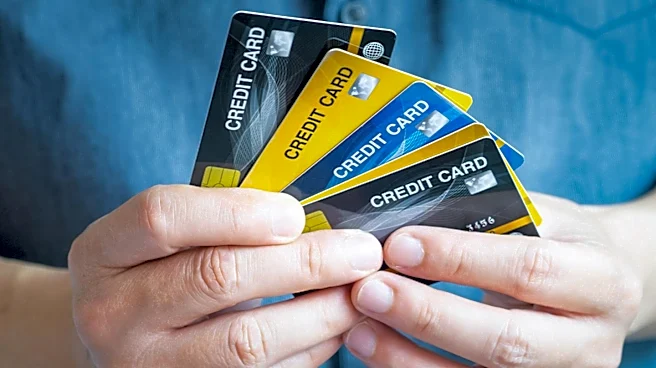
Independent creators in the U.S., including filmmakers, musicians, authors, and game developers, are increasingly relying on credit cards and crowdfunding to finance their projects, according to a white paper by the International Center for Law & Economics
(ICLE). This trend is driven by the inherent difficulties creators face in securing traditional bank loans due to uncertain demand for their work, lack of tangible collateral, and often low or irregular incomes. Credit cards offer a flexible financing solution based on personal creditworthiness, bypassing the need for project-specific collateral or distributor approval. Crowdfunding platforms, such as Kickstarter and Patreon, provide an alternative by allowing creators to test market demand and share project risk with backers, often before production is complete. Digital technologies have significantly reduced production and distribution costs, making these alternative financing methods more viable for a wider range of creative projects. However, the shift towards ongoing, smaller payments from digital distribution means creators often need to cover upfront costs long before revenue materializes, making working capital crucial.
Why It's Important?
This shift in financing mechanisms is critical for the U.S. creative sector, which contributed $1.17 trillion to the economy in 2023 and supports 5.4 million jobs. The reliance on credit cards and crowdfunding democratizes access to capital for independent creators, enabling a more diverse range of works to be produced and reach audiences without the traditional gatekeeping of major distributors. This fosters creative experimentation and innovation, potentially leading to a richer cultural landscape. However, it also places significant financial risk on individual creators, who often incur personal debt to fund their projects. The study highlights that 43% of U.S. artists carry credit card debt, compared to 28% with mortgage debt, underscoring the personal financial exposure. The ability of credit cards to provide immediate, flexible funding for unpredictable costs, coupled with crowdfunding's capacity to validate demand and share risk, is reshaping how creative works are brought to market, impacting both creators' financial stability and the overall dynamics of the creative industries.
What's Next?
The continued evolution of digital platforms and payment systems will likely further integrate credit cards and crowdfunding into the standard financing toolkit for independent creators. Specialized financial products, like Karat Financial's Visa business card for online creators and Saturation Production Credit Card for film and video teams, are emerging to cater to the unique financial needs of this sector, leveraging observable business activity and revenue streams. This indicates a growing recognition by financial institutions of the creator economy's potential. Future developments may include more sophisticated models that combine elements of traditional lending with crowdfunding and subscription-based patronage, offering creators more tailored and less risky financing options. Policymakers may also need to consider how to support creators in managing financial risks associated with these models, potentially through educational resources or new regulatory frameworks that protect against excessive debt or project failures.
Beyond the Headlines
The increasing reliance on personal credit and audience-funded models for creative projects raises profound questions about the nature of artistic labor and entrepreneurship. It highlights the 'nobody knows' problem in creative industries, where the commercial success of a work is inherently unpredictable. This financial landscape can foster greater artistic freedom, as creators are less beholden to the commercial dictates of large distributors. However, it also intensifies the pressure on individual creators to act as entrepreneurs, managing not only their artistic output but also their financial and marketing strategies. The ethical implications include the potential for exploitation if creators are forced into unsustainable debt, and the need for transparency in crowdfunding to protect backers. Culturally, this trend could lead to a more fragmented but diverse creative ecosystem, where niche interests can find funding and audiences, challenging the dominance of mainstream cultural products. The long-term impact could be a redefinition of what it means to be a 'professional artist' in the digital age, emphasizing financial literacy and direct audience engagement alongside creative talent.