




What's Happening?
Virtual fitness communities are emerging as a significant resource for individuals seeking support and accountability in their fitness journeys across the U.S. These online platforms and programs aim to help maintain motivation and provide structured
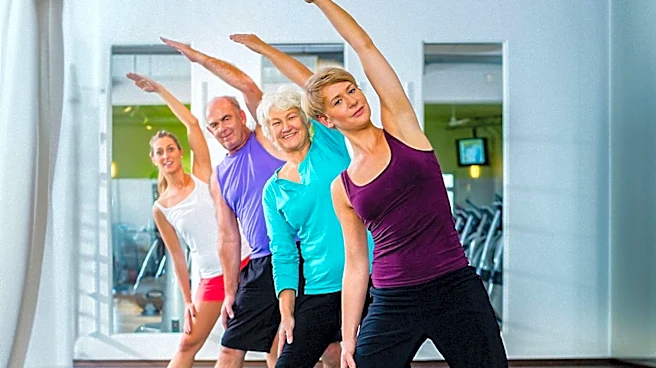
guidance. For instance, the YMCA of San Diego County is offering virtual group fitness classes, connecting participants with local instructors. Another notable example is the Zwift Women’s Training Club, which provides virtual training sessions for cycling and running, led by world-class coaches. Beyond group settings, remote fitness coaching is also gaining traction, offering personalized support, guidance, and accountability through customized workout plans, nutrition advice, and virtual coaching sessions. These initiatives highlight a growing trend in the fitness industry towards accessible, community-driven, and personalized virtual solutions.
Why It's Important?
The rise of virtual fitness communities is important for several reasons, particularly in the U.S. context. Firstly, it addresses the challenge of maintaining motivation and consistency in fitness routines, which often deters individuals from achieving their health goals. By providing a sense of community and accountability, these platforms can significantly increase adherence to exercise programs. Secondly, the accessibility of virtual classes and coaching removes geographical barriers, allowing individuals in remote areas or those with busy schedules to participate in high-quality fitness programs that might otherwise be unavailable. This democratizes access to expert instruction and diverse fitness options. Thirdly, the personalized nature of remote coaching caters to individual needs and preferences, making fitness more inclusive and effective for a wider demographic. This shift could lead to improved public health outcomes by making fitness more engaging and sustainable for a larger segment of the population.
What's Next?
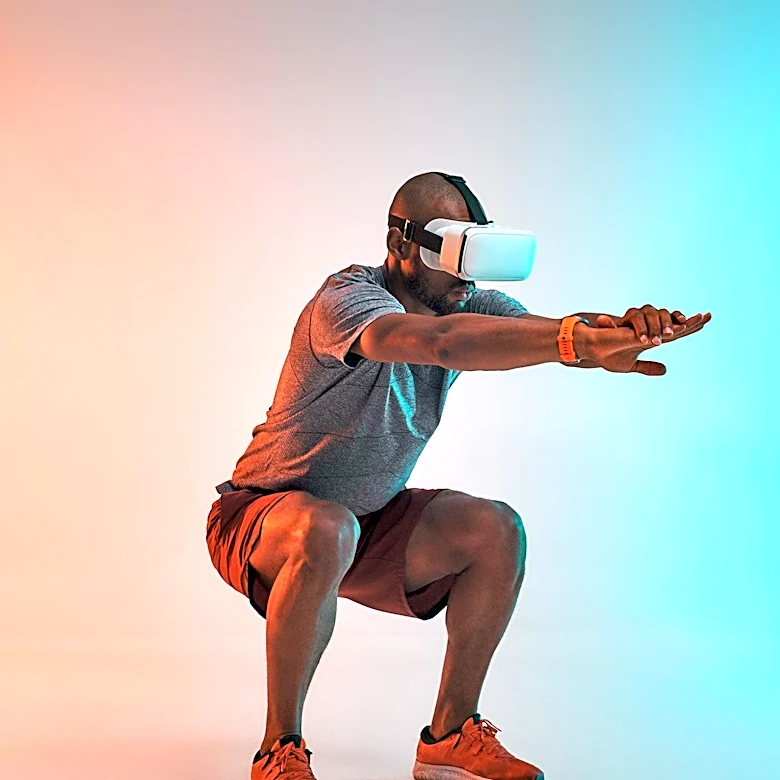
Looking ahead, the virtual fitness landscape in the U.S. is likely to continue expanding and evolving. We can anticipate more organizations, similar to the YMCA of San Diego County, integrating virtual offerings into their core services to reach a broader audience. The development of more specialized virtual training clubs, akin to the Zwift Women’s Training Club, is also probable, catering to niche interests and specific fitness goals. Furthermore, advancements in technology, such as enhanced virtual reality and AI-driven coaching, could further personalize and immerse users in their fitness experiences. The integration of wearable technology with these platforms will also likely become more seamless, offering real-time feedback and data-driven insights. This ongoing innovation will likely solidify virtual fitness as a permanent and integral part of the U.S. health and wellness industry, potentially influencing how traditional gyms and fitness centers operate.
Beyond the Headlines
Beyond the immediate benefits of convenience and accessibility, the proliferation of virtual fitness communities in the U.S. carries deeper implications for social connection and mental well-being. In an increasingly digital world, these platforms offer a unique avenue for individuals to connect with others who share similar health goals, fostering a sense of belonging and mutual support that can combat feelings of isolation. This is particularly significant in a post-pandemic era where many have become accustomed to remote interactions. Moreover, the structured guidance and accountability provided by virtual coaching can empower individuals to take greater ownership of their health, leading to increased self-efficacy and improved mental resilience. The emphasis on personalized plans and expert guidance also promotes a more holistic approach to wellness, moving beyond mere physical exercise to encompass nutrition and overall lifestyle, thereby contributing to a more informed and health-conscious society.