





What's Happening?
President Yoweri Museveni of Uganda has called upon Egyptian investors to direct their investments towards infrastructure development and value addition within Uganda's economy. During a meeting with a delegation of investors at State House, Entebbe,
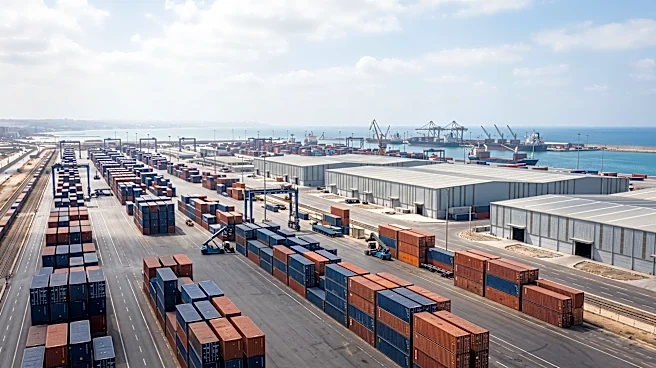
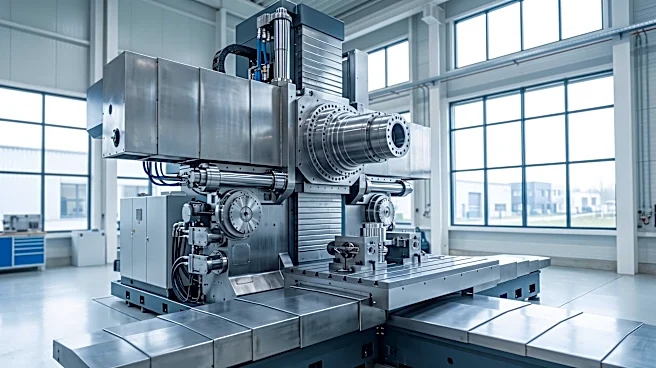
President Museveni emphasized that Uganda possesses significant quantities of agricultural products, minerals, and forest resources. However, he noted a critical need for more factories to process these raw materials and for affordable infrastructure to enhance the global competitiveness of locally manufactured goods. The President identified four key sectors anchoring Uganda's economy: commercial agriculture, manufacturing based on raw materials, services, and information and communications technology (ICT). He specifically highlighted the necessity of affordable electricity for industrialization and economic competitiveness, suggesting opportunities for both government and private investors in power generation. Additionally, he pointed to railway systems, toll roads, and irrigation as crucial areas for investment to stabilize agriculture and reduce transportation costs.
Why It's Important?
President Museveni's appeal to Egyptian investors underscores Uganda's strategic focus on industrialization and economic diversification. By prioritizing value addition and infrastructure, Uganda aims to move beyond raw material exports, which typically yield lower economic returns, towards a more robust manufacturing sector. This shift is crucial for job creation, technology transfer, and boosting national income. The emphasis on affordable electricity is particularly significant, as high energy costs can be a major deterrent for industrial growth and competitiveness in global markets. Investments in railway systems and toll roads are vital for improving logistics and reducing the cost of doing business, making Ugandan products more attractive internationally. Furthermore, irrigation projects are essential for mitigating climate-related risks to agriculture, ensuring consistent raw material supply for industries, and enhancing food security. This initiative reflects a broader strategy to attract foreign direct investment that aligns with national development goals.
What's Next?
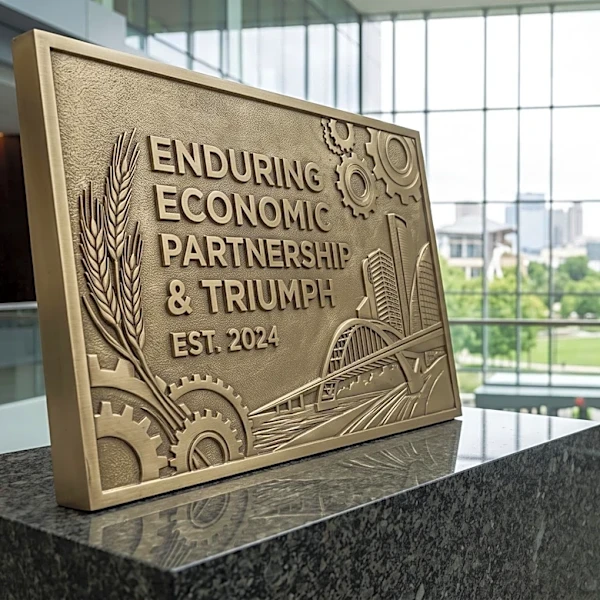
Following President Museveni's call, the next steps will likely involve further engagement between Ugandan government officials and Egyptian investors to identify specific projects and facilitate investment. The investors have already proposed signing a memorandum of understanding (MoU) for strategic projects and establishing an industrial park for coffee and cotton value addition, which President Museveni has endorsed. The Ugandan government is expected to assist in identifying suitable land for such projects. This initiative could lead to concrete investment agreements in the near future, potentially resulting in the construction of new factories, power generation facilities, and infrastructure projects. The success of these initial ventures could encourage more Egyptian and other international investors to explore opportunities in Uganda, contributing to the country's long-term economic development and industrialization efforts.
Beyond the Headlines
This initiative has deeper implications for regional economic integration and South-South cooperation. By attracting investment from Egypt, Uganda is strengthening economic ties within Africa, potentially fostering a more interconnected and resilient continental economy. The focus on value addition and infrastructure development aligns with broader African Union agendas for industrialization and trade. Furthermore, the emphasis on patient capital from private investors for infrastructure projects highlights a growing trend where governments seek alternative financing models beyond traditional public funding or multilateral loans. This approach could lead to more sustainable and efficient infrastructure development, driven by market demands and private sector expertise. The success of such partnerships could serve as a model for other African nations seeking to industrialize and enhance their global economic standing.