







What's Happening?
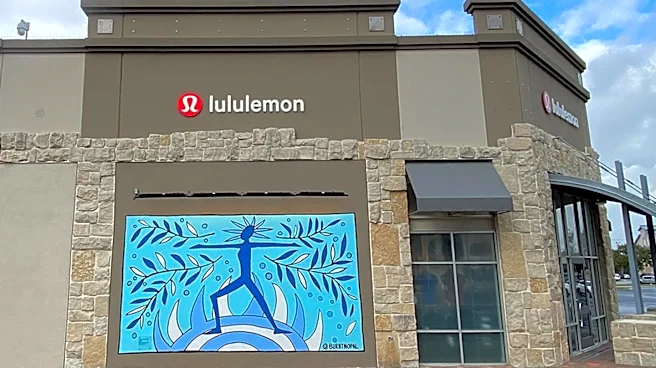
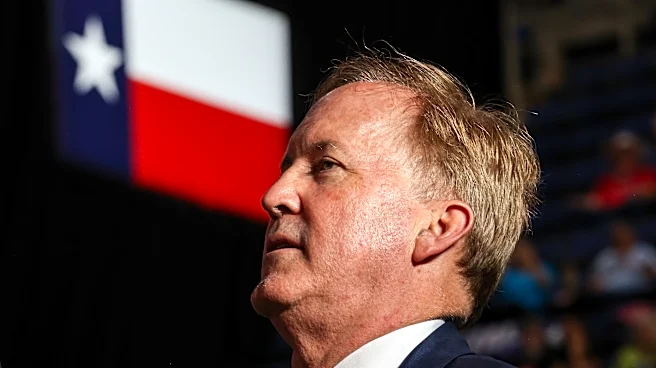
Lululemon and the Texas Attorney General Ken Paxton have reached an Assurance of Voluntary Compliance, concluding an investigation into the presence of per- and polyfluoroalkyl substances (PFAS), also known as 'forever chemicals,' in the brand's activewear.
The probe, which began in April, was initiated due to concerns that the potential presence of these chemicals could contradict Lululemon's wellness-focused marketing and mislead consumers. Lululemon stated that the state did not identify PFAS in its products or materials during the review, and the company had already phased out PFAS in 2023. They provided documentation, including third-party laboratory testing reports, to support their claims. The agreement explicitly states that it includes no admission of wrongdoing or liability on Lululemon's part and no financial penalty.
Why It's Important?
This agreement is significant as it highlights the increasing scrutiny on consumer product safety and corporate transparency, particularly concerning potentially harmful chemicals. For Lululemon, a brand built on a wellness image, addressing concerns about 'forever chemicals' is crucial for maintaining consumer trust and brand integrity. The resolution without an admission of wrongdoing or financial penalty suggests that Lululemon's existing efforts to eliminate PFAS were sufficient to satisfy the state's concerns. This case also sets a precedent for how other states might approach similar investigations into chemical safety in consumer goods, influencing manufacturing practices and supply chain oversight across the apparel industry. The focus on vendor compliance and independent testing underscores a broader trend towards greater accountability for chemical content in products.
What's Next?
Under the three-year agreement, Lululemon is required to uphold rigorous chemical safety standards and maintain oversight of materials used in its products. This includes mandating that vendors demonstrate compliance with Lululemon's Restricted Substances List through independent laboratory testing or valid third-party certifications. Lululemon must also verify the validity of these certifications, require additional testing when they expire, and take 'commercially reasonable' corrective action in cases of vendor noncompliance. Texas Attorney General Ken Paxton has indicated that his office will continue to monitor Lululemon to ensure adequate material testing and consumer protection. Paxton's office is also currently investigating other apparel companies, Hanes and Fruit of the Loom, for similar concerns regarding toxic chemicals in children's underwear, suggesting a broader regulatory focus on chemical safety in textiles.
Beyond the Headlines
The resolution of this investigation underscores a growing societal and regulatory demand for transparency and safety in consumer products, particularly regarding chemicals like PFAS. These 'forever chemicals' are known for their persistence in the environment and potential health risks, leading to increased public awareness and legislative action. This agreement could influence other companies in the apparel sector to proactively review and strengthen their chemical safety standards and supply chain management to avoid similar investigations. It also highlights the power of state attorneys general to enforce consumer protection laws and hold corporations accountable for the claims they make about their products, especially when those claims relate to health and wellness. The emphasis on independent laboratory testing and vendor accountability could lead to a more robust and verifiable system for ensuring product safety across various industries.