





What's Happening?
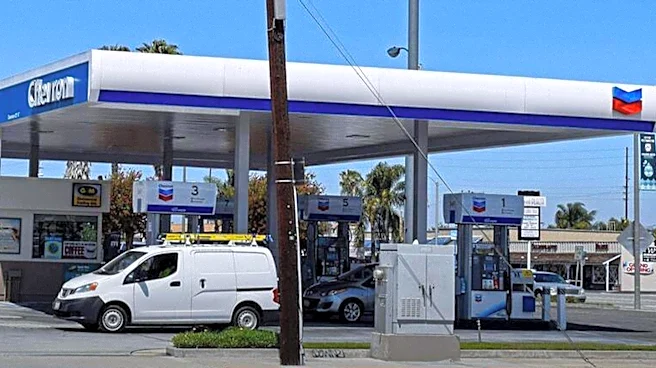
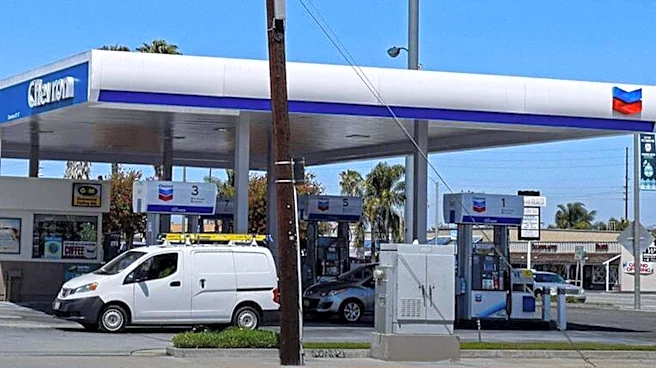
Chevron completed its acquisition of Hess Corporation on July 18, 2025, thereby inheriting Hess's agreement to purchase 37.5 million ART-TREES carbon credits from Guyana. This agreement, initially signed in December 2022, covers approximately one-third
of Guyana's anticipated carbon credit issuance until 2030. The transaction involves minimum prices set at US$15 per credit for 2016-2020 vintages, US$20 for 2021-2025, and US$25 for 2026-2030. The total minimum value of this agreement is US$750 million over the decade. While the minimum prices are established, the actual settled price for these credits has not been publicly disclosed. Guyana's Vice President Bharrat Jagdeo stated that the acquisition would not impact the carbon agreement. However, Chevron has reportedly declined to continue funding engineering and design for Guyana's Berbice deepwater port, a commitment previously held by Hess.
Why It's Important?
This acquisition is significant for the U.S. energy sector, as it consolidates a substantial carbon credit agreement under Chevron, a major American oil company. The integration of these carbon credits into Chevron's portfolio could influence its environmental compliance strategies and public image regarding climate initiatives. For Guyana, the agreement provides a guaranteed minimum revenue stream from its forest carbon, with 15% of the revenue dedicated to village-led development plans for Indigenous communities. However, the lack of transparency regarding the actual settled price for the credits, especially compared to prices paid by other buyers like Apple and various airlines, raises questions about the full economic benefit for Guyana. The fact that the largest single counterparty for Guyana's forest revenue is now also a major player in its oil revenue (through the Stabroek block) creates a concentration of economic interests, potentially impacting future negotiations and the country's overall economic diversification.
What's Next?
The carbon credit agreement will continue under Chevron's ownership, with Guyana expecting to receive payments based on the established minimum prices. Future disclosures from the Guyanese government or Chevron regarding the actual prices paid for these credits, particularly in comparison to other buyers, will be closely watched. The impact of Chevron's decision to discontinue funding for the Berbice deepwater port on Guyana's infrastructure development and its relationship with the U.S. company remains to be seen. Stakeholders will also monitor how the 15% revenue allocation for Indigenous communities is utilized and whether it effectively supports their sustainable development goals. The broader implications for the voluntary and compliance carbon markets, especially as the aviation market for carbon offsets grows, will also be a key area of observation.
Beyond the Headlines
The situation highlights the complex interplay between corporate acquisitions, international climate agreements, and national economic development, particularly in resource-rich developing nations. The lack of transparency regarding the actual price of carbon credits, beyond the stated minimums, could set a precedent for future carbon market transactions and potentially impact the perceived value of such credits. The concentration of both carbon credit and oil revenue streams with a single major U.S. corporation like Chevron raises ethical considerations about economic dependency and potential leverage in future dealings. This case also underscores the evolving landscape of corporate social responsibility and environmental, social, and governance (ESG) factors in large-scale business operations, where environmental commitments are increasingly intertwined with financial and strategic decisions.