
What's Happening?
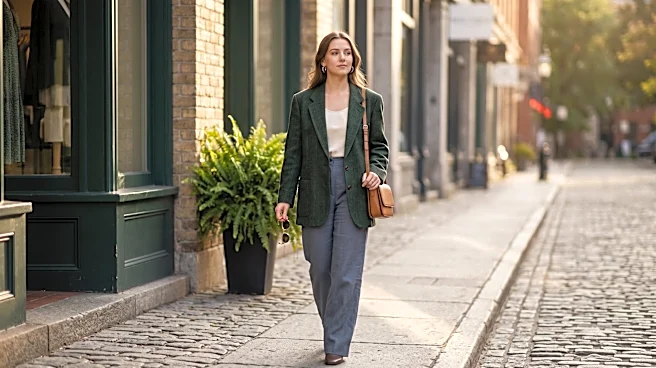
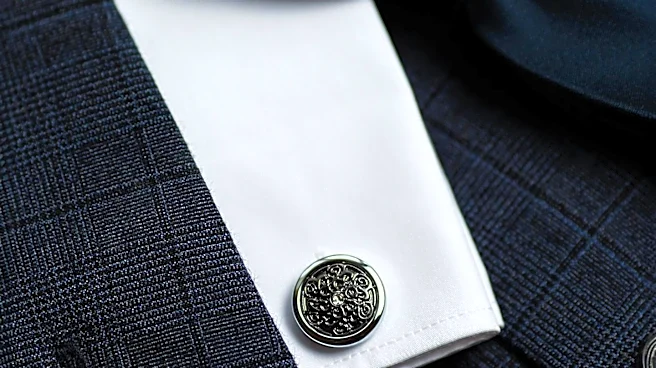
The concept of 'quiet luxury' is gaining prominence, emphasizing understated elegance, high-quality materials, and impeccable craftsmanship over overt brand displays and logos. This style prioritizes functionality and subtlety, moving away from flashy
demonstrations of wealth. It is characterized by timeless design and attention to detail, where the inherent quality of an item speaks for itself rather than relying on prominent branding. This approach is seen as a mature and refined aesthetic in the fashion world, advocating for durable, well-made pieces over disposable trends. The philosophy suggests that true luxury is recognized by those who understand quality, rather than being announced through ostentation. This trend is observed in various contexts, from professional settings like business dinners to daily routines, aiming to convey credibility, seriousness, and refinement discreetly.
Why It's Important?
The rise of quiet luxury signifies a shift in consumer values within the U.S. market, particularly among affluent demographics. This movement away from conspicuous consumption towards discerning quality and craftsmanship can impact various industries, including fashion, travel, and home goods. For businesses, it means a greater emphasis on product integrity, sustainable practices, and timeless design, potentially leading to increased investment in research and development for superior materials and production techniques. Consumers who embrace quiet luxury are often seeking long-term value and a more sophisticated personal brand, which could influence purchasing decisions across a wide range of products and services. This trend also reflects a broader societal move towards valuing substance over superficiality, potentially fostering a more mindful approach to consumption and investment.
What's Next?
As quiet luxury continues to evolve, industries are likely to adapt by focusing on product longevity, ethical sourcing, and bespoke experiences. Fashion brands may increasingly offer customizable options and emphasize the narrative behind their craftsmanship. The travel sector could see a rise in demand for exclusive, personalized itineraries and accommodations that prioritize privacy and authentic experiences over flashy amenities. In the U.S., this could lead to a resurgence of artisanal production and a greater appreciation for heritage brands that embody quality and tradition. Consumers can expect to see more marketing campaigns highlighting the intrinsic value and durability of products, rather than just their brand recognition. This shift may also encourage a more minimalist approach to personal style and living, where fewer, higher-quality items are preferred over a large quantity of trendy, disposable goods.
Beyond the Headlines
Beyond its aesthetic appeal, quiet luxury carries deeper implications for societal perceptions of wealth and status. It challenges the traditional notion that luxury must be overtly displayed to be recognized, suggesting that true affluence is demonstrated through discernment and an appreciation for intrinsic value. This could lead to a more nuanced understanding of social status, where knowledge and taste become as important as visible wealth. Ethically, the emphasis on quality and durability aligns with growing concerns about sustainability and overconsumption, potentially encouraging more responsible production and purchasing habits. Culturally, it may foster a return to valuing craftsmanship and the stories behind products, moving away from a purely consumerist mindset. This trend could also influence how individuals present themselves in professional and social settings, favoring a subtle yet impactful presence that communicates confidence and sophistication without needing to 'shout' for attention.