





What's Happening?
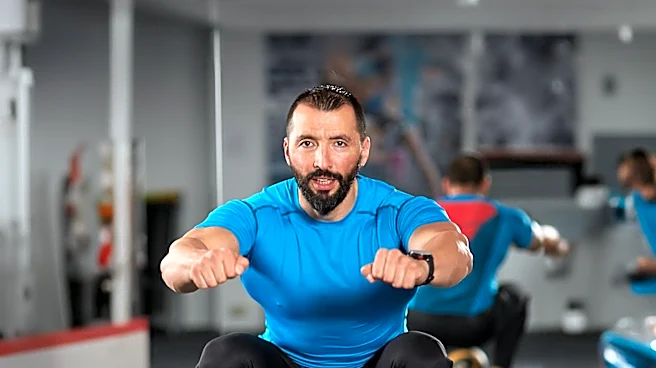
Mobility training is gaining recognition as a crucial component for improving workout quality and overall physical function. Experts in functional fitness, such as Steve Maxwell, advocate for integrating mobility exercises into daily routines to enhance
flexibility, movement patterns, and prevent injuries. Maxwell's 'Gimme-five Mobility Series' focuses on key areas including hips, shoulders, spine, ankles, and the thoracic region, aiming to restore optimal movement and address restrictions caused by sedentary lifestyles or poor posture. These exercises often incorporate functional movements like squats and rotations, designed to be accessible for individuals of all ages and fitness levels. The emphasis is on consistency rather than intensity, with even short daily sessions yielding significant improvements. This approach distinguishes true mobility from mere stretching, highlighting the importance of optimizing joint and muscle movement capacity for long-term health and performance.
Why It's Important?
The integration of mobility training into fitness regimens holds significant importance for public health and athletic performance in the U.S. Sedentary lifestyles are prevalent, leading to widespread issues like stiffness, poor posture, and increased risk of injury. By promoting mobility, individuals can improve their daily functionality, reduce chronic pain, and enhance their overall quality of life. For athletes, improved mobility translates to better performance, reduced risk of overuse injuries, and extended careers. This shift in fitness philosophy, moving beyond just strength or aesthetics, can lead to a more holistic approach to physical well-being, potentially reducing healthcare costs associated with musculoskeletal issues and improving productivity. Industries related to fitness, physical therapy, and sports medicine stand to benefit from increased demand for mobility-focused programs and products.
What's Next?
The growing awareness of mobility's benefits suggests a continued trend towards its integration into mainstream fitness and wellness programs. We can anticipate an increase in specialized mobility classes, workshops, and online resources. Fitness professionals and physical therapists are likely to further incorporate mobility assessments and tailored exercise plans into their practices. There may also be a rise in wearable technology designed to track and guide mobility improvements. Educational initiatives promoting the importance of mobility from a young age could become more common, potentially influencing school physical education curricula. Furthermore, research into the long-term health benefits and specific protocols for various populations is expected to expand, providing more evidence-based approaches to mobility training.
Beyond the Headlines
Beyond the immediate physical benefits, the emphasis on mobility training reflects a broader cultural shift towards proactive health management and a more mindful approach to the body. It challenges the traditional 'no pain, no gain' mentality by advocating for sustainable, injury-preventative practices. This movement also highlights the interconnectedness of physical and mental well-being, as mindful movement and breath control are often integral to mobility practices, fostering a deeper mind-body connection. Ethically, promoting accessible mobility exercises can help democratize fitness, making it achievable for a wider demographic regardless of age or prior fitness experience. Legally, as understanding of injury prevention through mobility grows, there could be implications for workplace safety standards and sports training regulations, emphasizing preventative measures to reduce injuries.