


What's Happening?
The Adelaide region of South Australia is experiencing a notable trend in urban microadventure tourism, particularly through guided walking tours. Local South Australian operators are leading these tours, offering participants an opportunity to explore
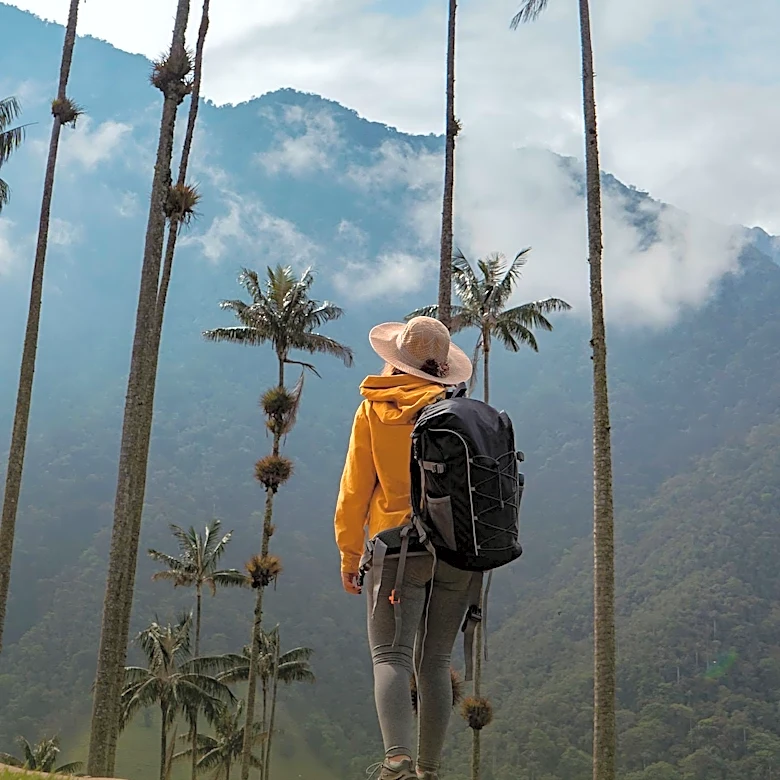
the area's walking trails and connect with local culture and landscapes. These tours emphasize realistic itineraries, aiming to provide meaningful moments and ensure participants feel fulfilled. Operators are focusing on nature connection, with guides trained to facilitate immersion in the surroundings, including activities like 'Forest Bathing.' The tours also prioritize participant preparation, offering pre-tour training walks, strength sessions, and online group chats to help individuals prepare for the physical demands of the trails. Safety is a key concern, with tours employing two experienced guides, carrying comprehensive first-aid kits, and utilizing satellite communication devices. The tours are designed for small groups to enhance the experience and minimize environmental impact.
Why It's Important?
This trend highlights a growing consumer preference for authentic, localized travel experiences, moving away from conventional mass tourism. For the U.S. tourism industry, this could signal a need to diversify offerings to include more microadventure and nature-based experiences, particularly in urban or peri-urban areas. The emphasis on local guides and deep nature immersion suggests a demand for more enriching and educational travel, which could influence how U.S. tour operators design their packages. The focus on pre-tour training and safety also indicates a market for well-organized and supportive adventure travel, potentially inspiring U.S. companies to invest in similar preparatory programs for their clients. Furthermore, the small group model aligns with sustainable tourism practices, which could become a more significant factor in consumer choices globally, including for U.S. travelers seeking eco-conscious options.
What's Next?
The success of these localized walking tours in Adelaide could encourage similar initiatives in other urban and regional areas, both within Australia and internationally. U.S. tourism boards and private operators might explore developing comparable microadventure offerings, leveraging local expertise and natural assets. There could be an increased focus on training guides in nature facilitation and incorporating wellness aspects like 'Forest Bathing' into tour itineraries. The trend also suggests a potential for growth in specialized travel services that cater to physical preparation for adventure tourism. As travelers continue to seek unique and immersive experiences, the demand for well-curated, locally-led tours that prioritize safety, preparation, and environmental responsibility is likely to expand, prompting further innovation in the adventure tourism sector.
Beyond the Headlines
The rise of urban microadventure tourism reflects a broader societal shift towards seeking well-being and connection with nature, even within or near urban environments. This trend goes beyond mere recreation, touching upon mental health benefits derived from nature immersion and physical activity. Ethically, it promotes responsible tourism by emphasizing small groups and local knowledge, potentially fostering a deeper appreciation for local ecosystems and cultures. For urban planning, it could highlight the value of preserving and developing accessible natural spaces within or adjacent to cities. Culturally, it reinforces the importance of local storytelling and expertise in shaping visitor experiences, offering an alternative to generic tourist attractions. This movement could also influence how individuals perceive and utilize their local environments, encouraging more active engagement with nearby natural resources and fostering a sense of community among participants.