





What's Happening?
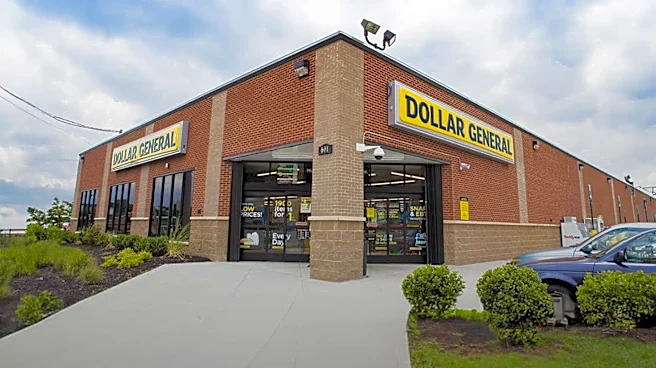
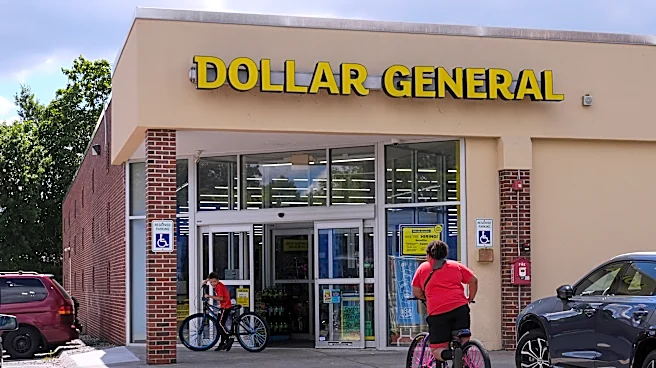
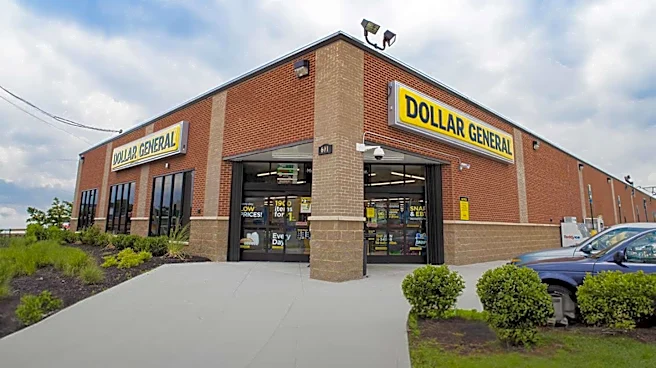
Alabama Attorney General Steve Marshall has joined the Federal Trade Commission (FTC) and 19 other states in filing a lawsuit against Dollar General Corporation. The lawsuit alleges that Dollar General has engaged in long-running deceptive pricing practices,
routinely charging customers more at the register than the prices displayed on shelves, price tags, and advertisements. This practice has reportedly cost consumers millions of dollars. The complaint states that Dollar General has repeatedly mislabeled prices and overcharged consumers for years, failing to correct the issue despite extensive corporate knowledge of the problem. The coalition of states and the FTC assert that these actions violate the FTC Act, the Gramm-Leach-Bliley Act, and various state consumer protection laws, including Alabama’s Deceptive Trade Practices Act. Attorney General Marshall emphasized that the price advertised should be the price paid, and that Alabama families, who often rely on every dollar, have been negatively impacted by these alleged overcharges.
Why It's Important?
This lawsuit is significant because it addresses widespread consumer harm, particularly affecting vulnerable shoppers who frequent discount retailers like Dollar General. The alleged deceptive pricing practices, if proven, indicate a systemic issue where consumers are unknowingly paying more than advertised, eroding trust in pricing transparency. For low-income families, who often budget carefully, even small overcharges can have a substantial impact on their financial well-being. The involvement of the FTC and 20 state attorneys general underscores the national scope and severity of the alleged problem, suggesting that this is not an isolated incident but a pattern of behavior across thousands of Dollar General stores. This legal action could set a precedent for how large retailers are held accountable for pricing accuracy and consumer protection, potentially leading to stricter enforcement and greater corporate responsibility in pricing practices across the retail sector.
What's Next?
The lawsuit will proceed through the legal system, where the FTC and the coalition of states will present their evidence against Dollar General. Dollar General will have the opportunity to respond to the allegations and present its defense. The court will then determine whether the company has violated federal and state consumer protection laws. Potential outcomes could include significant financial penalties for Dollar General, mandatory changes to its pricing and auditing practices, and restitution for affected consumers. This case may also prompt increased scrutiny of pricing accuracy at other discount retail chains, potentially leading to broader investigations or new regulations aimed at preventing similar deceptive practices. Consumer advocacy groups will likely monitor the proceedings closely, and the outcome could influence future consumer protection efforts nationwide.
Beyond the Headlines
Beyond the immediate legal implications, this case highlights broader issues of corporate ethics and accountability in the retail industry. The allegation that Dollar General continued these practices despite receiving tens of thousands of consumer complaints suggests a potential disregard for customer trust and regulatory compliance. This situation raises questions about the effectiveness of internal oversight mechanisms within large corporations and the need for more robust consumer protection frameworks. It also underscores the challenges faced by consumers, especially those in economically disadvantaged communities, who may have limited options for shopping and may be less likely to detect or report subtle pricing discrepancies. The outcome of this lawsuit could influence public perception of discount retailers and potentially drive a demand for greater transparency and fairness in pricing across the entire retail landscape, emphasizing the ethical responsibility of businesses to accurately represent product costs.