






What's Happening?
The EU Deforestation Regulation (EUDR) is set to introduce new due diligence and traceability requirements for businesses involved in trading commodities and products linked to deforestation. Large and medium operators will face these requirements starting
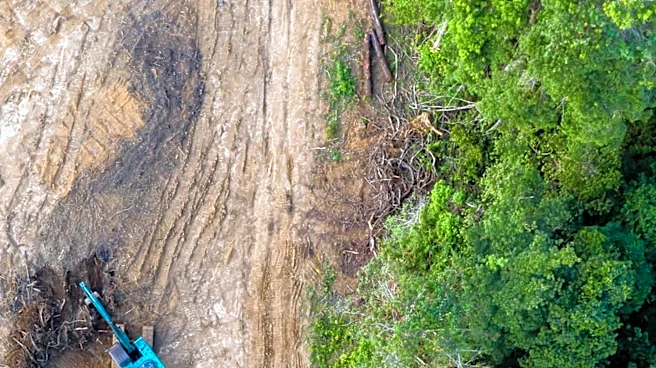
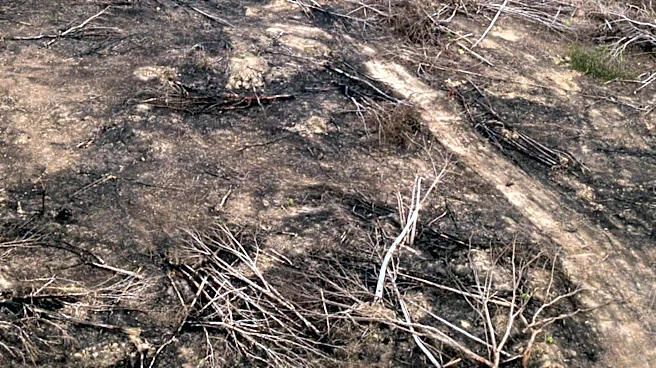
December 30, 2026. Businesses are advised to use the remaining preparation period to assess their exposure, enhance supply chain data, and engage with suppliers. The EUDR aims to ensure that products placed on, made available in, or exported from the EU market and Northern Ireland are not associated with deforestation or forest degradation. It covers seven key commodities: cattle, cocoa, coffee, oil palm, rubber, soya, and wood, along with various derived products. Companies will need to demonstrate that their products are deforestation-free, produced in compliance with relevant legislation in their country of origin, and supported by the necessary due diligence documentation. This involves tracing commodities back to their production sites and collecting geographical and supply chain information linked to products, suppliers, and shipments. This effort will necessitate collaboration across multiple internal departments, including procurement, sustainability, legal, compliance, commercial, and data teams, as well as close cooperation with suppliers.
Why It's Important?
The EUDR represents a significant shift in global supply chain management, particularly for U.S. businesses that operate within or export to the EU market. Compliance will require substantial investment in data collection, traceability systems, and supplier engagement, potentially increasing operational costs. Companies that fail to adapt risk market access restrictions, reputational damage, and legal penalties within the EU. Conversely, businesses that successfully implement robust due diligence processes may gain a competitive advantage by demonstrating ethical sourcing and environmental responsibility, which is increasingly valued by consumers and investors. The regulation could also drive broader industry changes, encouraging more sustainable practices across various sectors globally, as companies adjust their supply chains to meet EU standards. This could lead to a more transparent and accountable global trade system for commodities linked to deforestation, impacting agricultural practices and land use worldwide.
What's Next?
Businesses are urged to establish effective governance structures, clearly define responsibilities for interpreting requirements, collecting evidence, and engaging suppliers. A critical next step involves confirming which commodities and derived products fall within the scope of EUDR by mapping relevant items, reviewing customs codes, and understanding their role in each product flow. Organizations must also develop structured inventories of products, connect them with suppliers and countries of production, and assess current data flows to identify gaps. Early and clear engagement with suppliers is crucial, providing practical guidance and potentially segmenting suppliers based on factors like commodity, geography, risk, and readiness. Companies need to establish documented approaches for reviewing supplier information and mitigating risks, determining what further evidence or action is required when information is missing or risks are not negligible. Connecting EUDR compliance with wider sustainability initiatives, such as Scope 3 accounting and climate transition planning, can help businesses generate long-term value from their investments in readiness.
Beyond the Headlines
The EUDR's implications extend beyond mere compliance, fostering a deeper integration of sustainability into core business operations. By mandating traceability to the point of origin, the regulation pushes companies to gain unprecedented visibility into their supply chains, potentially uncovering hidden risks related to environmental degradation and social issues. This increased transparency can empower businesses to make more informed decisions, not only for compliance but also for broader corporate social responsibility goals. The regulation could also catalyze technological innovation in supply chain monitoring, such as satellite imagery and blockchain, to verify deforestation-free claims. Furthermore, it highlights the growing trend of regulatory bodies using market access as a lever to enforce environmental standards globally, potentially setting a precedent for similar regulations in other regions and for other environmental concerns. This could lead to a more harmonized global approach to sustainable sourcing, transforming international trade practices.