



What's Happening?
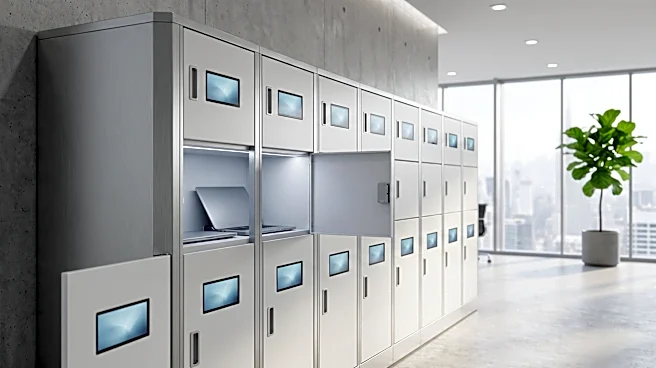
Automated laptop lockers are transforming how organizations manage IT assets, offering self-service solutions for device distribution, collection, and maintenance. These smart lockers, equipped with electronic locks and software control, track every event,
including who accessed which door, when, what was inside, and its return status. Unlike storage-only lockers that use mechanical keys, smart lockers tie access to identity and log all transactions, providing a comprehensive custody chain. Common use cases include loaner and break/fix swaps, pooled and shared devices for shift workers or contractors, and efficient onboarding/offboarding processes. These systems can integrate with existing IT service management (ITSM) and IT asset management (ITAM) platforms, such as ServiceNow and BMC Remedy, to automate requests and update asset records. Access methods vary, including corporate badges, one-time PINs, mobile apps, and RFID for asset identification.
Why It's Important?
The adoption of automated laptop lockers significantly impacts IT operations by reducing help desk workload and improving efficiency. By automating device handovers, these systems minimize the need for manual scheduling, desk visits, and follow-up communications, freeing up IT staff from logistical tasks. This shift allows IT teams to focus on more complex technical issues, potentially increasing first-contact resolution rates. Faster loaner turnaround times are another critical benefit, as employees can quickly access pre-imaged and charged devices, reducing downtime and improving productivity. The robust audit-ready custody records generated by smart lockers enhance hardware asset management, providing an unbroken record of device movement. This data is crucial for internal audits, security investigations, and compliance with standards like ISO/IEC 19770-1, ensuring accountability and reducing asset loss. The ability to integrate with existing ITSM/ITAM platforms ensures seamless data flow and prevents the creation of disparate record systems.
What's Next?
The trend towards self-service IT solutions is expected to continue, with further advancements in integration and accessibility. Organizations will likely prioritize systems that offer robust API integration with their existing IT infrastructure, ensuring that asset records and service requests are automatically updated. The development of more sophisticated charge-state reporting, allowing systems to dispense the healthiest unit, will enhance user experience and device longevity. Furthermore, the demand for accessible public-facing units will drive continued adherence to standards like the U.S. Access Board’s ICT accessibility guidelines, ensuring that interactive controls, speech output, and tactile features are built into the design. As distributed workforces become more common, the need for IT support kiosks that combine smart lockers with live technician support will grow, bridging the gap for employees in satellite offices without on-site IT staff. This evolution will lead to more comprehensive and user-friendly self-service IT environments.
Beyond the Headlines
Beyond the immediate operational benefits, automated laptop lockers represent a broader shift towards autonomous and data-driven IT management. The detailed custody records generated by these systems provide invaluable data for usage reporting, allowing organizations to identify underutilized assets, optimize inventory, and make informed purchasing decisions. This data-centric approach can lead to significant cost savings and improved resource allocation. Ethically, these systems enhance accountability, reducing instances of lost or unaccounted-for company assets. The emphasis on accessibility in public-facing units also highlights a commitment to inclusive design, ensuring that all employees, regardless of ability, can utilize these self-service tools. The long-term implication is a more resilient and efficient IT ecosystem, where hardware logistics are largely automated, allowing human IT professionals to focus on strategic initiatives and complex problem-solving, ultimately contributing to a more productive and secure organizational environment.