





What's Happening?
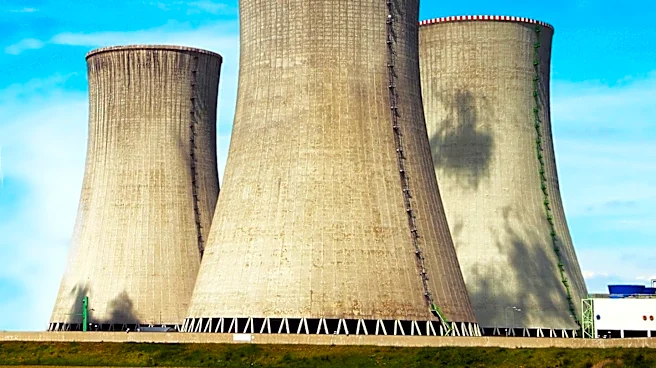
The nuclear energy sector is experiencing significant revenue growth, driven by the increasing demand for reliable electricity for AI data centers and climate goals, despite a surge in bond yields. Higher borrowing costs are impacting energy projects
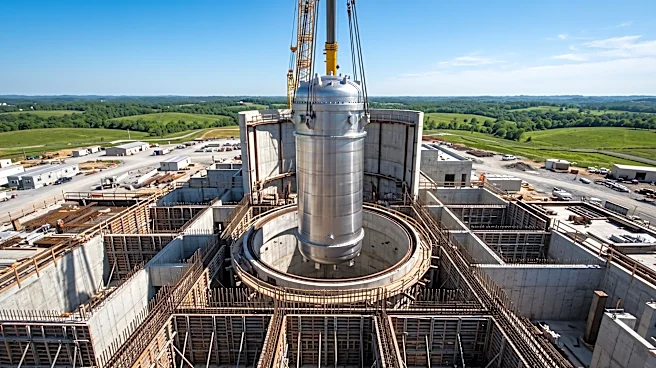
that rely on cheap debt, making capital more expensive and selective. However, the long-term clean power theme, particularly nuclear energy, is attracting investment. Companies like Rolls-Royce Holdings, Cameco, and Bird Construction are playing key roles. Rolls-Royce Holdings, known for its power systems, is involved in nuclear propulsion and Small Modular Reactor (SMR) work. Cameco, a pure-play nuclear fuel supplier, provides uranium and related services for gigawatt-scale reactors. Bird Construction acts as a contractor for nuclear and power projects, contributing to new reactors, power upgrades, and grid connections. The acceleration of energy transition and green building projects, including nuclear, is leading to higher-margin, specialized contracts for these companies.
Why It's Important?
This trend is important for the U.S. energy landscape as it highlights a strategic shift towards nuclear power to meet growing electricity demands, particularly from the burgeoning AI industry. The increased investment and development in nuclear energy can contribute to energy independence and grid stability. For industries, the demand for reliable, clean power from AI data centers is creating new opportunities and challenges, pushing for more sustainable and robust energy solutions. Companies involved in nuclear fuel supply, reactor construction, and power system development stand to gain significantly. The focus on higher-margin, specialized contracts indicates a potential for increased profitability within the sector, which could attract further investment and innovation. This also underscores the broader economic impact of technological advancements like AI, which are directly influencing infrastructure development and energy policy.
What's Next?
The momentum in utility contracting for nuclear energy is expected to build, with a potential surge in term contracting as uncovered utility uranium needs accumulate through 2045. This could drive material price and volume upside for companies like Cameco, improving revenue growth and net margins. For Bird Construction, the quiet shift in its contract mix, particularly the acceleration of energy transition work, is anticipated to reshape its overall profitability profile. Investors will be closely watching how this long-term contracting shift translates into future pricing power and profitability for these companies. The continued expansion of cloud and AI infrastructure is likely to sustain the demand for data center power generation, further fueling growth in the nuclear energy sector and related industries.
Beyond the Headlines
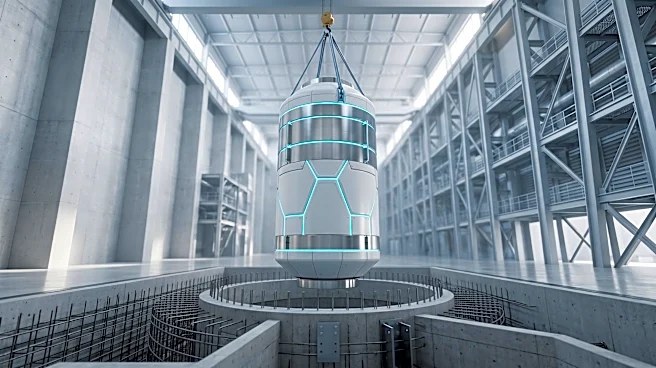
Beyond the immediate financial implications, the resurgence of nuclear energy has significant environmental and technological dimensions. Nuclear power offers a low-carbon energy source crucial for achieving climate goals and reducing reliance on fossil fuels. The development of SMRs, in which Rolls-Royce is involved, represents a technological advancement that could make nuclear power more flexible, safer, and easier to deploy. However, the ethical and societal implications of nuclear waste management and safety concerns remain critical considerations. The interplay between technological innovation (AI), energy demand, and climate objectives is creating a complex but potentially transformative period for the energy sector, with nuclear power emerging as a key component of future energy strategies.