

What's Happening?
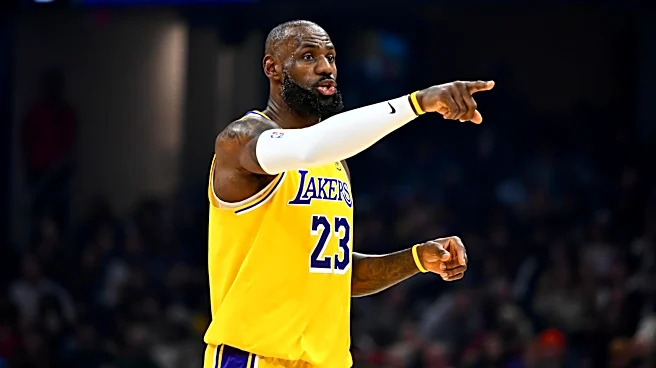
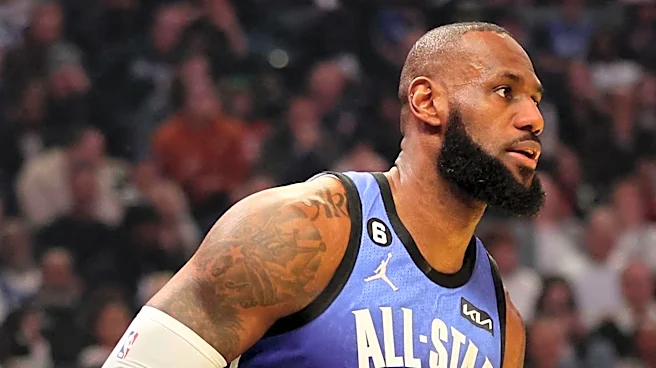
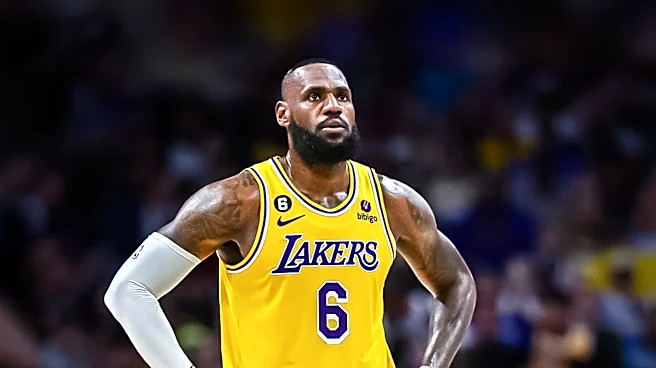
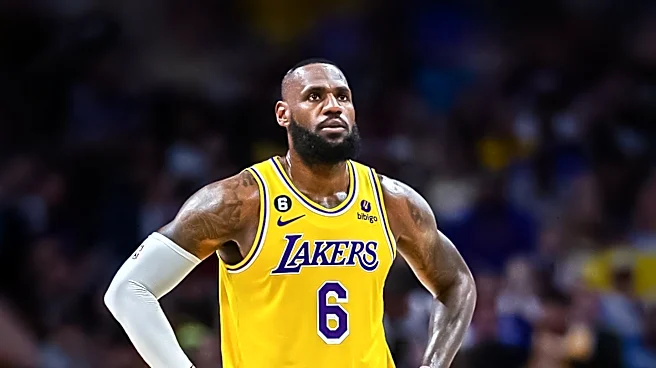
LeBron James' recent signing with the Philadelphia 76ers has sparked criticism, with some accusing him of 'ring chasing'—a term used for veterans seeking additional championships late in their careers. Eddie Johnson, a former NBA player and current media
consultant, has publicly defended James, arguing that the criticism is unfair. Johnson points out that James' decision to join the 76ers is motivated by his desire to win, a trait that has driven him since he entered the league. Johnson also highlights a perceived double standard, noting that other athletes like Tom Brady and Shaquille O'Neal have made similar moves without facing the same level of scrutiny.
Why It's Important?
This defense of LeBron James underscores ongoing debates about legacy and motivation in professional sports. James' career decisions are often scrutinized through the lens of the 'Greatest of All Time' (GOAT) debate, which can overshadow his achievements. The discussion also reflects broader issues of how veteran athletes are perceived when they make strategic career moves. Johnson's comments may influence public perception and media narratives surrounding James, potentially affecting how his legacy is viewed in the context of NBA history.
Beyond the Headlines
The criticism of LeBron James highlights cultural and ethical dimensions in sports, particularly regarding how athletes' motivations are interpreted. The term 'ring chasing' carries a negative connotation, suggesting a lack of loyalty or authenticity. However, Johnson's defense suggests that the pursuit of excellence and victory should be celebrated rather than criticized. This debate may prompt a reevaluation of how success and ambition are perceived in professional sports, influencing future discussions about athlete legacy and career choices.