







What's Happening?
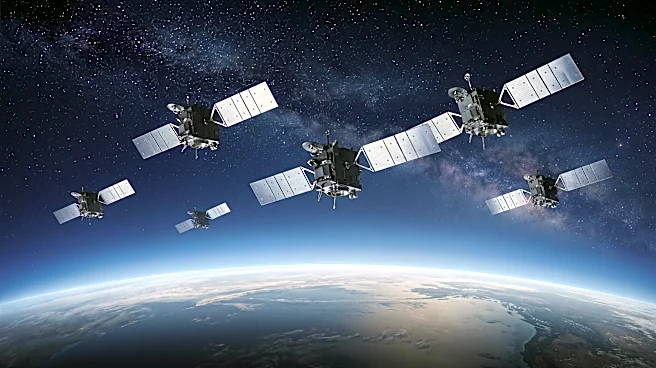
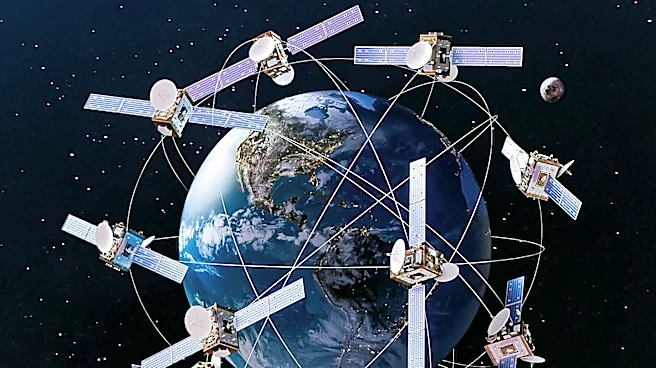
Global law firm Freshfields advised AST SpaceMobile, Inc. on its joint venture with Rakuten Group, Inc. to establish Rakuten AST, Inc. This new entity will build and operate a Japanese-flagged mid-band low earth orbit satellite constellation. The primary
goal is to provide direct-to-device communications to commercially available smartphones in Japan. Rakuten holds a 51% voting share, while AST SpaceMobile holds 49%. The joint venture, signed and completed on November 6, 2026, will receive up to JPY 148 billion (approximately US$1 billion) in funding over three years from Japan's Ministry of Internal Affairs and Communications. Domestic operations are projected to commence by the end of March 2029.
Why It's Important?
While primarily focused on Japan, this joint venture has significant implications for the U.S. technology and telecommunications sectors. AST SpaceMobile, a U.S.-based company, will supply the satellites, which are described as the largest communications satellites ever deployed in low earth orbit. This collaboration allows AST SpaceMobile to strengthen its global network by leveraging capacity that can also be utilized outside of Japan. The project aims to enhance Japan's economic security and provide disaster-resilient communications infrastructure, extending cellular broadband to underserved areas and maintaining connectivity during emergencies. This demonstrates a growing international demand for advanced satellite communication technologies, benefiting U.S. companies at the forefront of this innovation.
What's Next?
Rakuten AST will proceed with the development and deployment of the satellite network, with domestic operations expected to begin by March 2029. The substantial funding from Japan's Ministry of Internal Affairs and Communications underscores the strategic importance of this project for Japan's national infrastructure. AST SpaceMobile will continue its role in supplying the necessary satellite technology, which could lead to further advancements and applications in direct-to-device communication globally. The success of this venture in Japan could serve as a model for similar partnerships in other countries, potentially expanding the market for U.S. satellite technology providers and influencing future international telecommunications policies.
Beyond the Headlines
This joint venture highlights a broader global trend towards sovereign satellite networks, driven by national security and economic resilience concerns. The ability to provide direct-to-device communication via low earth orbit satellites represents a significant technological leap, potentially bypassing traditional terrestrial infrastructure limitations. This development could reshape the global telecommunications landscape, offering new solutions for connectivity in remote areas and during emergencies. For the U.S., it signifies the continued leadership of its companies in advanced space technology and the potential for increased international collaboration in critical infrastructure projects. The legal and regulatory frameworks for such international satellite ventures will also likely evolve, setting precedents for future cross-border technological partnerships.