






What's Happening?
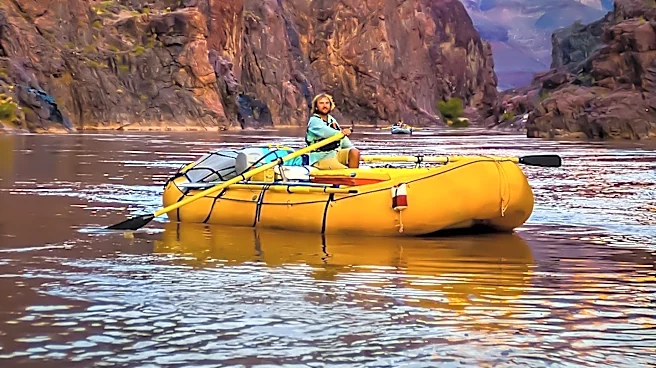
Hatch River Expeditions is offering a 7-day focused trip combining rafting and hiking in the Lower Grand Canyon. This adventure includes a mandatory 9.5-mile hike down the Bright Angel Trail to reach the Colorado River. Once at the river, participants
will spend their days alternating between rafting and hiking through the stretch of river located between Phantom Ranch and Whitmore Wash. The expeditions utilize motorized rafts operated by experienced Hatch guides, designed to maximize access to various hiking destinations, including waterfalls, swimming holes, slot canyons, and scenic viewpoints. Nights are spent camping along the river's edge on sandy beaches or rock ledge campsites within the Grand Canyon. The trip concludes with a helicopter departure from the canyon, offering aerial views, though in rare instances for the September launch, a helicopter may not be available, requiring a hike out via Whitmore Trail and ATV transport to Bar 10 Ranch for a fixed-wing aircraft.
Why It's Important?
These specialized Grand Canyon expeditions cater to a growing interest in adventure tourism and immersive outdoor experiences within the United States. The combination of rafting and extensive hiking provides a unique and challenging way to explore one of the nation's most iconic natural landmarks. For participants, it offers significant physical activity and a deep connection with nature, potentially boosting mental and physical well-being. Economically, such tours contribute to local tourism industries, supporting guides, outfitters, and related services. The focus on reaching diverse hiking destinations highlights the ecological and geological richness of the Grand Canyon, promoting appreciation and potentially conservation efforts. The logistical complexity, including the use of helicopters for departure, underscores the unique challenges and specialized nature of accessing and navigating this remote wilderness.
What's Next?
Future offerings from Hatch River Expeditions and similar adventure tourism companies are likely to continue providing these types of immersive experiences, potentially expanding to other national parks or wilderness areas. The demand for active, nature-based travel is expected to remain strong, especially for iconic U.S. destinations like the Grand Canyon. Companies will likely continue to refine their itineraries, focusing on safety, environmental sustainability, and unique access points to enhance the participant experience. There may also be an increased emphasis on responsible tourism practices to minimize environmental impact in these sensitive ecosystems. The potential for alternative departure methods, such as the Whitmore Trail hike and ATV transport, indicates a need for flexibility in planning and execution, especially given the remote and sometimes unpredictable nature of wilderness travel.
Beyond the Headlines
The popularity of multi-day, physically demanding trips like the Lower Grand Canyon expedition reflects a broader cultural shift towards experiential travel and a desire to disconnect from urban environments. These trips offer more than just sightseeing; they provide a profound sense of accomplishment and a unique perspective on the natural world. The reliance on experienced guides and specialized equipment highlights the importance of expertise and safety in wilderness exploration. Furthermore, the logistical challenges of operating in a remote national park, including permits, environmental regulations, and emergency preparedness, underscore the complex interplay between tourism, conservation, and land management. Such adventures also foster a deeper appreciation for the scale and majesty of U.S. national parks, potentially inspiring greater public support for their protection and preservation.