

What's Happening?
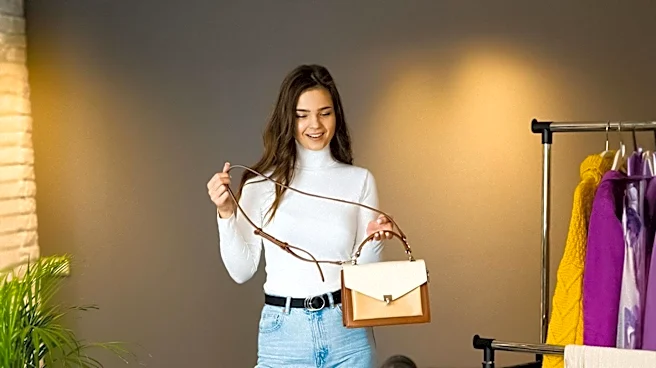
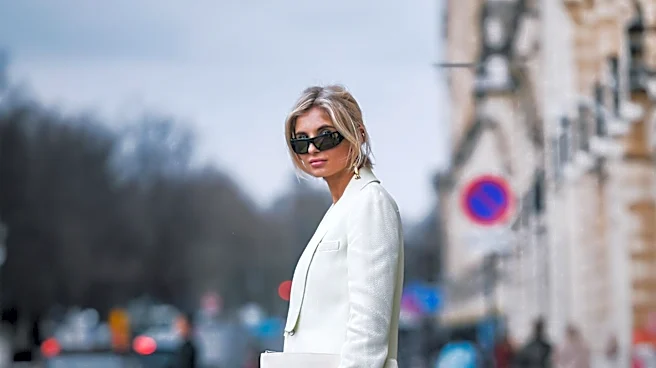
TikTok has emerged as a dominant force in the U.S. fashion industry, with influencers and micro-influencers playing a pivotal role in dictating trends. The platform's rapid content dissemination means that fashion trends can change within weeks, rather
than months, a significant acceleration compared to traditional fashion cycles. A single 15-second video demonstrating a styling tip can garner more influence than a professional advertising campaign. This shift has moved fashion discovery from search engines and catalogs to social media feeds, with over half of Gen Z shoppers reporting direct influence on their purchasing decisions from social media. The speed and personality favored by TikTok contrast with Instagram's emphasis on curated aesthetics, allowing for quick viral moments that translate into widespread adoption of styles in stores and online within days.
Why It's Important?
This rapid evolution of fashion trends driven by TikTok has profound implications for the U.S. retail and advertising industries. Brands must now maintain a constant online presence and build authentic relationships with creators to remain relevant, moving away from seasonal marketing strategies. The accelerated trend cycle also fuels the fast fashion industry, as brands quickly produce affordable versions of viral styles, creating a feedback loop that prioritizes speed over originality. This dynamic impacts consumer behavior, leading to increased purchasing frequency and potential overconsumption. While consumers gain immediate access to new styles, the rapid turnover can also lead to 'fashion fatigue' and a shorter lifespan for clothing items, raising questions about sustainability and consumer values in the long term.
What's Next?
The influence of social media platforms like TikTok on fashion is expected to continue growing, further solidifying the role of influencers in shaping consumer preferences. Brands will likely invest more heavily in influencer marketing and real-time trend monitoring to adapt to the accelerated pace of fashion cycles. There may be a continued push towards 'fast fashion' models, but also a potential counter-movement towards 'slow fashion' and second-hand clothing as consumers become more aware of the environmental impact of rapid consumption. The industry will need to navigate the balance between catering to fleeting trends and promoting more sustainable practices. Consumers will increasingly rely on social media for fashion inspiration, making platforms like TikTok indispensable for both discovery and purchasing decisions.
Beyond the Headlines
The shift in fashion influence from traditional gatekeepers to individual content creators on platforms like TikTok represents a broader democratization of taste and style. This phenomenon challenges established hierarchies in the fashion world, where a teenager's styling video can outperform high-budget runway shows in terms of impact. It also highlights the power of authenticity and relatability in marketing, as consumers often trust micro-influencers more than celebrities. However, this rapid cycle also raises ethical concerns regarding labor practices in fast fashion and the environmental footprint of disposable clothing. The constant pressure to consume new trends could also contribute to a sense of inadequacy or pressure among individuals to keep up with ever-changing styles, impacting mental well-being and personal expression.