







What's Happening?
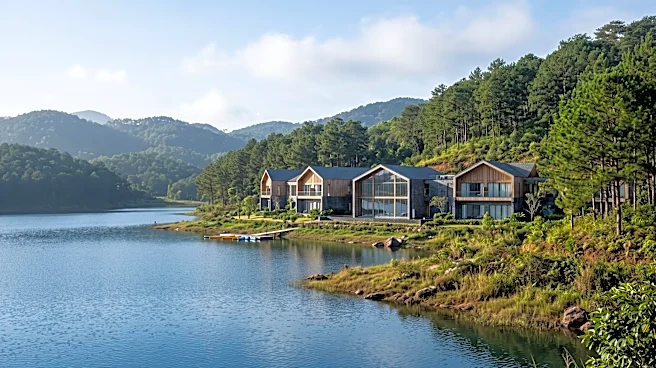
Fusion Hotel Group has entered into a long-term hotel management agreement with Han Spaces to develop Fusion Resort Tuyen Lam Lake Da Lat in Vietnam. This new wellness-led resort is scheduled to open in the second quarter of 2027. The resort will be situated
on an 11-acre site at the base of a hillside, surrounded by pine forest and overlooking Tuyen Lam Lake. It will feature 15 villas and a 90-room hotel, offering amenities such as all-day dining, specialty restaurants and bars, meeting and event spaces, a kids' club, a swimming pool, and a yoga and fitness center. A key highlight will be Fusion’s signature Maia Spa, which will include 14 treatment rooms. The resort aims to provide a comprehensive wellness experience, incorporating Fusion’s all-spa-inclusive concept, 'breakfast anywhere, anytime' service, and personalized assistance from 'Fusionistas' who act as personal hosts and local guides. This development marks Fusion Hotel Group's first resort in the Highlands of Vietnam, capitalizing on Da Lat's growing reputation as a retreat destination.
Why It's Important?
This development signifies a growing trend in the global hospitality industry towards wellness and experiential travel, particularly in emerging markets like Vietnam. For Fusion Hotel Group, it represents a strategic expansion into a new geographical region within Vietnam, leveraging Da Lat's natural environment and cooler climate to align with its wellness-focused brand. The partnership with Han Spaces underscores investor confidence in the region's potential as a high-quality wellness tourism destination. The resort's focus on sustainability and connection with nature, as highlighted by Mr. Tommy Tran of Han Spaces, reflects an increasing consumer demand for eco-conscious and authentic travel experiences. The project is expected to attract both domestic and international travelers, further boosting Da Lat's accessibility and appeal, especially with anticipated direct flights from Singapore's Changi Airport by December 2026. This investment could stimulate local economic growth through job creation and increased tourism revenue, positioning Da Lat as a significant player in Asia's wellness retreat market.
What's Next?
The construction and development of Fusion Resort Tuyen Lam Lake Da Lat will proceed with an anticipated opening in the second quarter of 2027. Leading up to its launch, Fusion Hotel Group and Han Spaces will focus on the resort's design and operational setup to ensure it aligns with Fusion's signature wellness concept and service standards. Marketing efforts will likely target both domestic and international travelers, emphasizing Da Lat's unique natural attractions and the resort's comprehensive wellness offerings. The expected launch of direct flights connecting Da Lat with Singapore’s Changi Airport in December 2026 will be a crucial factor in enhancing the resort's accessibility and attracting a broader international clientele. The success of this venture could pave the way for further wellness-focused hospitality developments in Vietnam's Central Highlands, as other hotel groups may seek to capitalize on the region's growing appeal as a retreat destination.
Beyond the Headlines
The establishment of Fusion Resort Tuyen Lam Lake Da Lat reflects a broader shift in the tourism industry towards holistic well-being and sustainable travel. This project highlights the increasing value placed on destinations that offer a blend of natural beauty, tranquility, and specialized wellness services. The concept of 'Fusionistas' as personal hosts and local guides suggests a move beyond traditional concierge services, aiming to create a more personalized and immersive guest experience that connects visitors with the local culture and environment. This approach could set a new standard for luxury wellness resorts, emphasizing authentic engagement and tailored experiences. Furthermore, the focus on preserving Da Lat's natural environment and promoting it as a destination for 'meaningful connection with nature' indicates a growing awareness of ecological responsibility within the hospitality sector. This could influence future development practices in similar natural settings, encouraging more sustainable and environmentally conscious tourism initiatives.