








What's Happening?
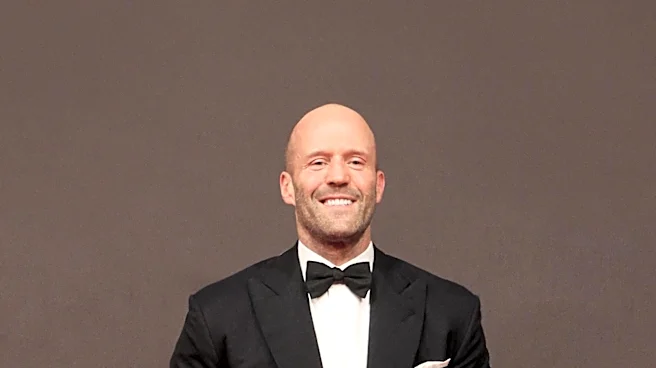
Hollywood action star Jason Statham is featured in Discover Card's new 'Payback Time' cash-back campaign. The advertising strategy subverts Statham's tough-guy movie persona for comedic effect, a technique Discover has previously employed with other celebrities.
Statham, known for roles in action blockbusters such as 'The Meg,' 'The Expendables,' and 'The Beekeeper,' utilizes his signature deadpan intimidation in humorous scenarios. The commercials depict Statham surprising individuals with the phrase 'it’s payback time,' leading to initial terror before the realization that he is referring to Discover's cash-back rewards. This approach continues Discover's tradition of celebrity-driven marketing that molds the ad's pitch around the star's existing public image, rather than forcing them into a rigid corporate script. Statham has a history of appearing in self-aware TV commercials, including a 2017 Super Bowl ad for Wix and a 2016 LG spot, where he similarly parodied his action-hero image.
Why It's Important?
This marketing strategy by Discover Card highlights a significant trend in advertising where brands leverage established celebrity personas for comedic and memorable campaigns. By tapping into Jason Statham's well-known action-hero image and subverting it, Discover creates an immediate connection with viewers who are familiar with his filmography. This approach can increase brand recall and positive association, as the humor makes the advertisement more engaging and shareable. For Statham, it allows him to showcase a self-aware, comedic side, potentially broadening his appeal beyond his typical action roles and reinforcing his brand as a versatile entertainer. This strategy benefits both the brand by making its message stand out in a crowded market and the celebrity by diversifying their public image and income streams. The success of such campaigns can influence other companies to adopt similar celebrity-led, persona-driven advertising, impacting the broader advertising industry's creative direction and budget allocation for celebrity endorsements.
What's Next?
Given the positive reception of Discover's celebrity-driven campaigns, it is likely that the company will continue to feature well-known personalities in future advertisements, allowing them to lean into their iconic screen tropes. This could lead to more actors exploring self-parody in commercials, further blurring the lines between entertainment and advertising. Other brands may observe the effectiveness of this strategy and seek to replicate it, potentially increasing the demand for celebrities who can humorously subvert their public images. For Jason Statham, continued success in these comedic advertising roles could open doors to more diverse acting opportunities, including comedic film roles, or solidify his position as a sought-after figure in the advertising world. The ongoing evolution of celebrity endorsements will likely see more creative integration of stars' established personas into brand messaging.
Beyond the Headlines
The use of Jason Statham's intimidating persona for a cash-back campaign touches on deeper cultural implications regarding consumer psychology and celebrity worship. The initial fear evoked by Statham's 'payback time' phrase, quickly followed by relief and the positive association with cash-back rewards, creates a powerful emotional arc within a short commercial. This plays on the audience's pre-existing perceptions of Statham as a formidable figure, making the comedic twist more impactful. It also reflects a societal comfort with self-referential humor and meta-commentary in media, where celebrities are increasingly willing to poke fun at their own public images. This trend suggests a more sophisticated and engaged audience that appreciates clever advertising that acknowledges and plays with established tropes. Ethically, it raises questions about the manipulation of audience emotions, even if for a benign purpose like promoting a credit card, and how effectively consumers can distinguish between a celebrity's on-screen persona and their role in advertising.