


What's Happening?
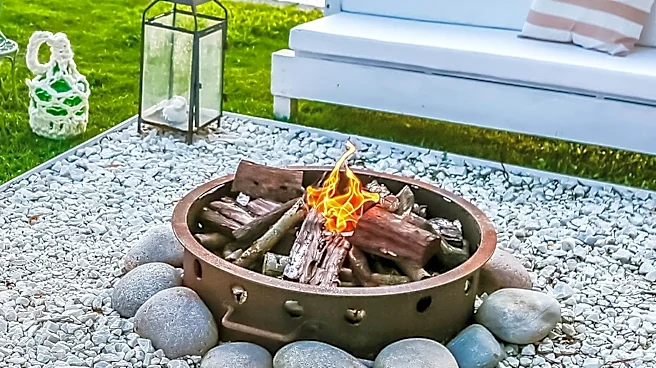
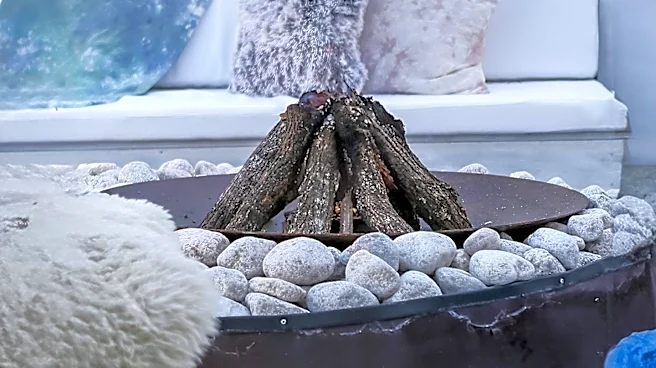
Modern homeowners are increasingly transforming their backyards into multi-functional outdoor living spaces, with fire pits and integrated seating emerging as key trends. These features are designed to create warm, inviting gathering spots, especially
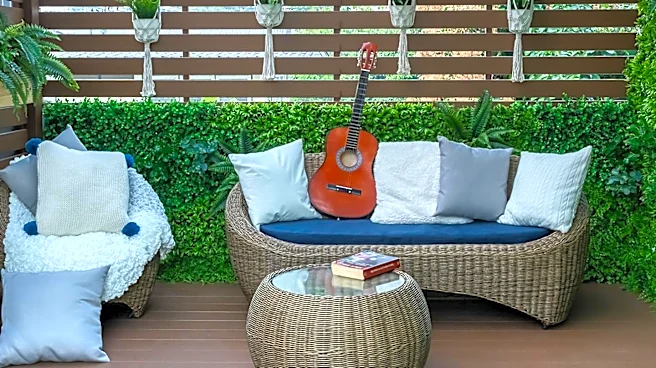
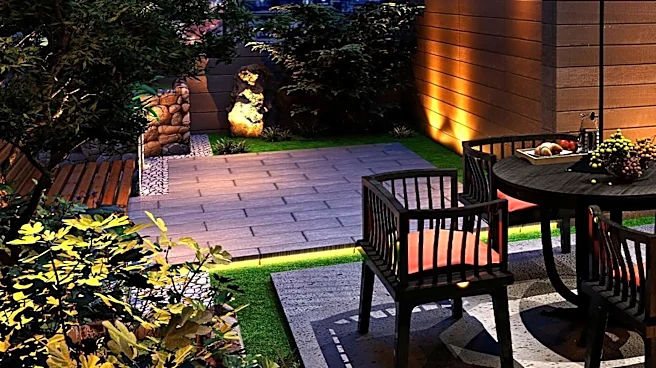
during cooler evenings. Smokeless gas fire tables are gaining popularity for their convenience and ability to provide quick heat without smoke odors. Many designs incorporate built-in curved benches around fire features to maximize floor space and create a cohesive lounge area. Beyond fire pits, the broader trend involves creating flexible layouts that combine dining spaces, lounge areas, and play zones into a single, smooth setup, often using custom decks as a foundation. Homeowners are working with outdoor living specialists to achieve these designs, which frequently involve dividing large decks into distinct zones using elements like raised sections for dining and lower patios for intimate seating. Sunken fire pit areas are also being utilized to provide dedicated gathering spots, with contrasting board colors helping to define these zones without physical walls.
Why It's Important?
This shift in outdoor living design reflects a growing desire among U.S. homeowners to extend their usable living space beyond the interior of their homes, impacting the home improvement and landscaping industries. The emphasis on multi-functional, year-round outdoor areas means increased demand for weatherproofing features like covered pergolas, built-in heaters, and retractable screens, as well as durable, low-maintenance materials such as composite decking. This trend also drives innovation in outdoor technology, including smart lighting systems, weatherproof entertainment setups, and automated controls, creating opportunities for tech companies. For real estate, homes with well-designed and integrated outdoor living spaces, particularly those featuring fire pits and comfortable seating, are likely to see increased appeal and potentially higher property values. The focus on sustainability, with the use of recycled plastics and reclaimed wood fibers in composite materials, also aligns with broader environmental consciousness among consumers, influencing manufacturing and material sourcing.
What's Next?
The trend towards integrated outdoor living spaces is expected to continue, with further advancements in smart home technology and sustainable materials. Homeowners will likely seek more personalized and custom solutions, driving demand for skilled designers and contractors specializing in outdoor environments. The market for outdoor furniture and accessories designed to complement these integrated spaces, such as weather-resistant lounge furniture and designer lighting, will also expand. We may see an increase in modular outdoor kitchen components and advanced heating solutions that allow for comfortable outdoor use in diverse climates. As more people prioritize outdoor living, there could be a greater emphasis on creating seamless indoor-outdoor transitions, potentially influencing architectural design and construction practices to incorporate features like sliding glass panels and flush thresholds more routinely. The integration of eco-friendly options, such as natural filtration systems for pools and solar heating, will also likely become more mainstream.
Beyond the Headlines
The evolution of outdoor living spaces, particularly the prominence of fire pits and integrated seating, signifies a deeper cultural shift towards valuing home as a sanctuary and a primary hub for social interaction and relaxation. This trend moves beyond mere aesthetics, reflecting a desire for enhanced well-being and connection with nature, even within urban or suburban settings. The emphasis on 'smokeless' fire features and durable materials also points to a growing consumer preference for convenience and longevity, reducing maintenance burdens and promoting a more effortless lifestyle. Furthermore, the integration of smart technology in outdoor areas blurs the lines between traditional indoor and outdoor living, suggesting a future where homes are conceived as holistic environments rather than distinct interior and exterior zones. This could lead to new design philosophies that prioritize fluidity, adaptability, and technological sophistication in all aspects of residential architecture and landscaping.