









What's Happening?
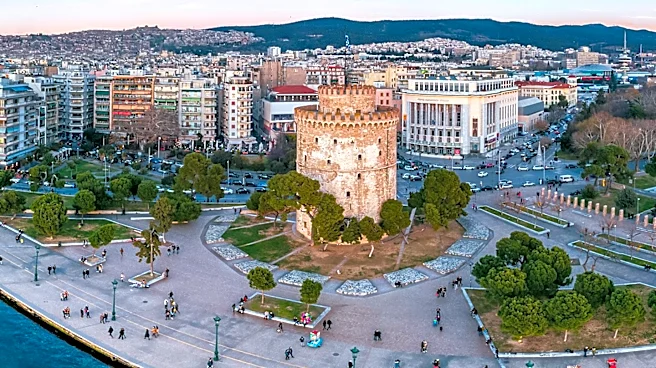
Hilton has announced plans to open a new hotel in Thessaloniki, Greece, as part of a broader urban regeneration project. The 184-room Hilton Thessaloniki will be located in the historic FIX district, which is undergoing redevelopment to transform it into
a mixed-use urban destination. The project, managed by Hilton in partnership with real estate developer DIMAND, will feature a combination of new construction and the restoration of a heritage building. The hotel will offer various amenities, including restaurants, bars, fitness facilities, and a rooftop terrace with a swimming pool. The development aims to blend contemporary design with the preservation of industrial heritage, contributing to the creation of a new cultural hub in the city.
Why It's Important?
The opening of Hilton Thessaloniki is significant as it represents a strategic investment in urban regeneration, which can stimulate local economies and enhance cultural offerings. By transforming the FIX district, the project is expected to attract tourists and locals alike, boosting the hospitality and service sectors. This development aligns with Hilton's expansion strategy in Greece, where it already operates over 70 hotels. The project also highlights the growing trend of integrating modern hospitality with historical preservation, which can enhance the appeal of urban areas and support sustainable tourism. The involvement of renowned architectural firm Foster + Partners further underscores the project's commitment to high-quality design and urban planning.
What's Next?
The Hilton Thessaloniki is expected to open in 2029, with ongoing construction and restoration efforts in the FIX district. As the project progresses, it may attract further investments and developments in the area, potentially leading to increased economic activity and job creation. The success of this project could serve as a model for similar urban regeneration initiatives in other cities, promoting sustainable development and cultural revitalization. Stakeholders, including local government and community groups, will likely monitor the project's impact on the local economy and cultural landscape.