



What's Happening?
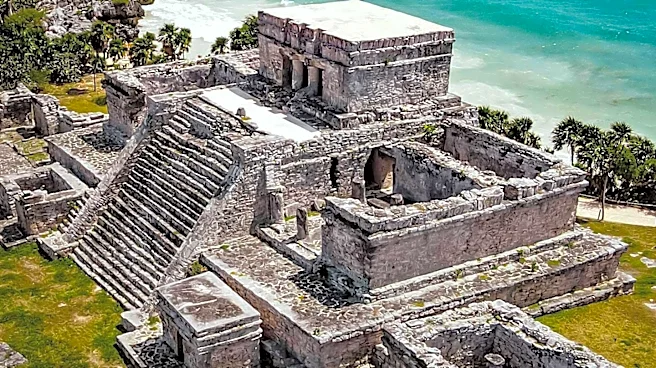
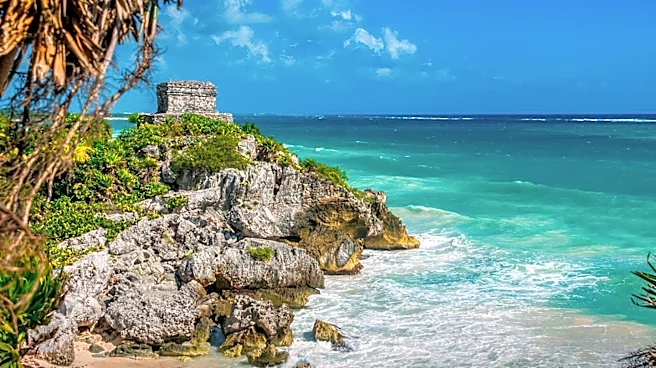
Tulum, located on the Caribbean coast of Mexico's Yucatán Peninsula, approximately 130 km south of Cancun, is a popular tourist destination known for its unique blend of historical, natural, and modern attractions. The region features well-preserved Maya
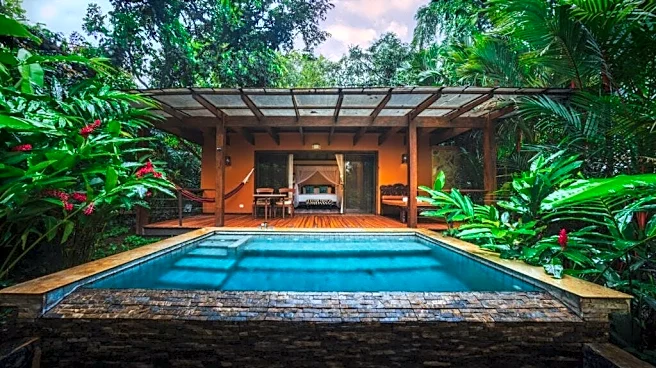
ruins situated on cliffs overlooking the Caribbean Sea, pristine white-sand beaches, and numerous cenotes—natural sinkholes filled with clear freshwater. Visitors can explore the Tulum archaeological site, including the iconic El Castillo temple, and swim in various cenotes like Gran Cenote, Cenote Calavera, and Dos Ojos. The area also offers opportunities for cycling, dining in Tulum Pueblo, and relaxing at stylish beach clubs. For accommodation, options like BE Destination Tulum provide elegant suites, multiple dining venues, and direct access to the Caribbean Sea. The hotel caters to guests over 15 years old and offers amenities such as outdoor swimming pools, free Wi-Fi, and spa services.
Why It's Important?
Tulum's appeal as a multifaceted tourist destination significantly contributes to the regional economy of Quintana Roo, Mexico. Its blend of ancient history, natural beauty, and modern amenities attracts a diverse range of international travelers, including those from the U.S., boosting local businesses from hospitality to tour operators and restaurants. The preservation of sites like the Tulum ruins and the Sian Ka’an Biosphere Reserve highlights the importance of sustainable tourism and cultural heritage. The availability of various activities, from archaeological exploration to eco-tourism and wellness retreats, positions Tulum as a versatile destination, catering to different traveler preferences and promoting longer stays. This sustained tourism also supports local employment and infrastructure development, making it a key economic driver for the region.
What's Next?
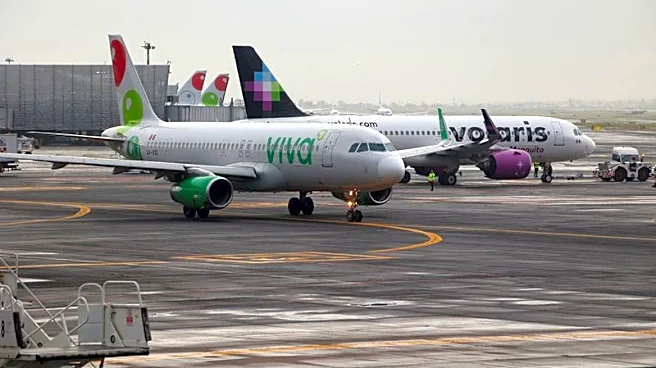
Tulum is expected to continue its growth as a premier tourist destination, with ongoing developments in infrastructure and hospitality. The presence of its own international airport and a Tren Maya station aims to enhance accessibility, potentially increasing visitor numbers. Future plans may include further development of eco-tourism initiatives and wellness retreats, aligning with the destination's established reputation for natural beauty and holistic experiences. Events like 'ANYMA Presents ÆDEN: The Lost Temple at Zamna Tulum' indicate a trend towards integrating modern entertainment with the region's mystical ambiance, attracting a younger, event-driven demographic. Continued efforts in environmental conservation will be crucial to manage the impact of growing tourism on its delicate ecosystems, such as the cenotes and biosphere reserves.
Beyond the Headlines
Beyond its immediate tourist appeal, Tulum represents a fascinating intersection of ancient civilization and contemporary lifestyle. The Maya ruins serve as a powerful reminder of a sophisticated pre-Columbian culture, offering insights into their architectural prowess and astronomical knowledge. The region's cenotes, considered sacred by the Maya, now offer unique recreational experiences while also highlighting critical geological formations and freshwater ecosystems. The rapid development of Tulum into a global tourist hotspot also brings challenges, including environmental pressures from increased human activity and the need to balance economic growth with cultural preservation. The blend of luxury resorts, bohemian retreats, and traditional Mexican life creates a unique cultural tapestry, reflecting broader trends in global tourism where travelers seek both authentic experiences and modern comforts.