









What's Happening?
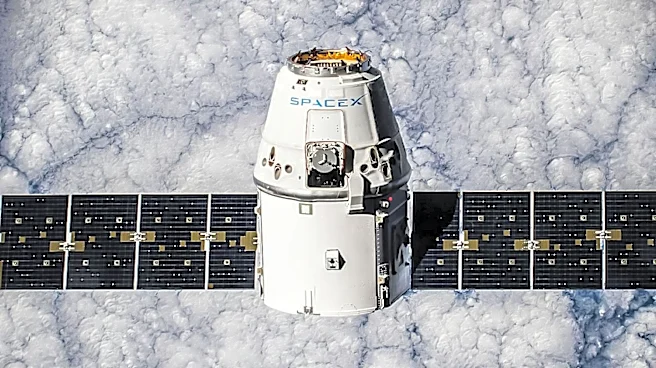
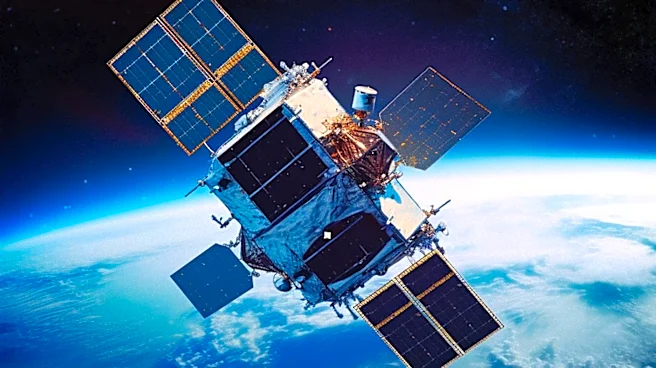
SpaceX successfully launched 24 Starlink satellites into low Earth orbit on June 28, 2026, from Vandenberg Space Force Base in California. The launch, which took place at 12:09 p.m. EDT, was part of SpaceX's ongoing efforts to expand its broadband internet
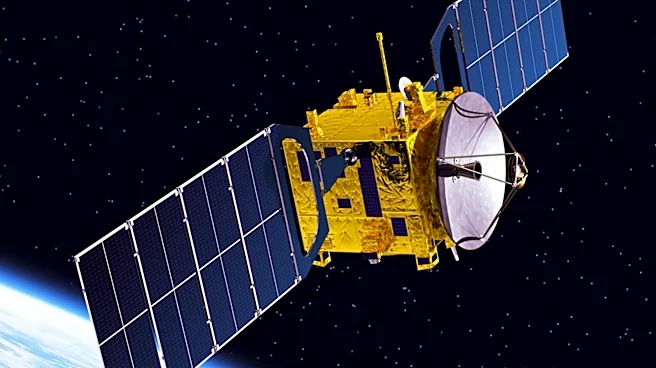
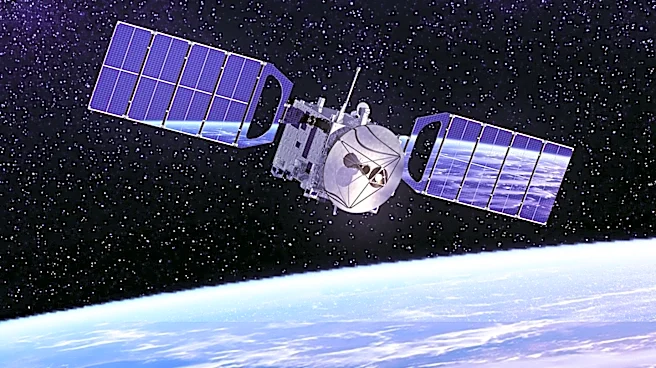
relay network. The Falcon 9 rocket carrying the satellites reached orbit approximately nine minutes after liftoff, with the deployment of the satellites scheduled to occur about an hour later. This mission marked the 17th flight for the rocket's first stage, Booster 1088, which successfully landed on the autonomous droneship 'Of Course I Still Love You' in the Pacific Ocean. The addition of these satellites brings the total number of active relays in the Starlink network to over 10,700, enhancing internet access globally, including in-flight wifi and cell-to-satellite services.
Why It's Important?
The expansion of the Starlink network is significant as it aims to provide high-speed internet access to underserved and remote areas worldwide. This development is crucial for bridging the digital divide, offering connectivity to regions lacking reliable internet infrastructure. The increased number of satellites enhances the network's capacity and reliability, potentially transforming internet access for millions. Additionally, the success of this mission underscores SpaceX's growing influence in the commercial space sector, showcasing its ability to conduct frequent and reliable launches. This expansion also positions SpaceX as a key player in the global telecommunications industry, challenging traditional internet service providers and fostering competition that could lead to improved services and lower costs for consumers.
What's Next?
SpaceX is expected to continue its aggressive launch schedule to further expand the Starlink constellation. Future launches will likely focus on increasing the network's coverage and capacity, aiming to provide seamless global internet access. As the network grows, SpaceX may explore additional services and partnerships, potentially integrating Starlink with other technologies and industries. Regulatory challenges and competition from other satellite internet providers could influence the pace and direction of Starlink's expansion. Stakeholders, including governments and telecommunications companies, will be closely monitoring these developments, as they could impact regulatory frameworks and market dynamics in the telecommunications sector.