





What's Happening?
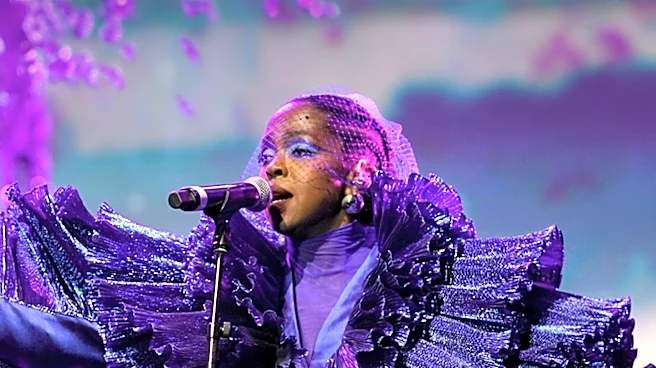
The Essence Festival of Culture 2019 was a significant urban music and culture festival held in New Orleans, Louisiana. This event, deeply rooted in the Essence brand, focused on celebrating Black music, women's leadership, and community. The 2019 festival featured
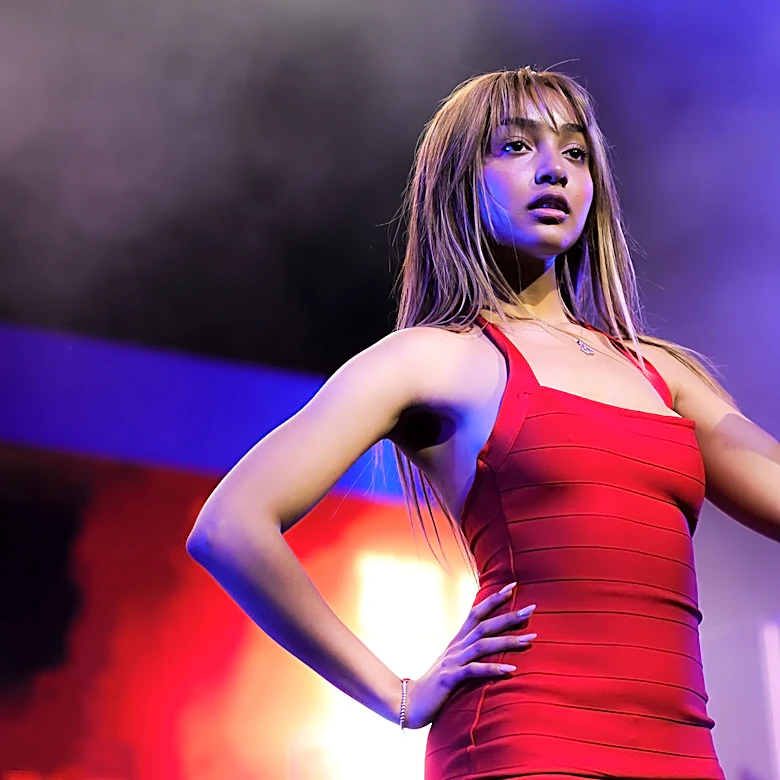
a lineup that balanced established R&B and hip-hop artists with emerging talents, aiming to attract multi-generational audiences while aligning with Essence's cultural coverage. Headliners included Janet Jackson and Kendrick Lamar, with other notable acts like H.E.R., City Girls, and Brandy also performing across various stages. The festival's programming extended beyond music to include pillars such as business, lifestyle, and activism, offering targeted networking, learning, and entertainment opportunities. These tracks aligned with Essence's editorial priorities of empowerment, entrepreneurship, and culture. The event spanned multiple days in early July, utilizing New Orleans' large indoor venues and outdoor spaces, including the Mercedes-Benz Superdome and satellite stages in the French Quarter. It operated on a hybrid model of free public stages and ticketed main-stage events.
Why It's Important?
The Essence Festival holds significant importance as one of the largest gatherings celebrating Black womanhood and culture in the U.S. Its multi-day attendance, reported in the hundreds of thousands, generates substantial ancillary spending in local hotels, restaurants, and transportation, providing a considerable economic boost to New Orleans. Economic impact studies from previous editions consistently show significant revenue generation for the city, a pattern maintained in 2019 through robust ticket sales and on-site commerce. Beyond its economic contributions, the festival serves as a crucial platform for Black female voices and creators, influencing mainstream conversations around representation and economic inclusion. By centering culture and commerce alongside performance, the Essence Festival distinguishes itself from other major U.S. urban music festivals, reinforcing its role as a flagship event that fosters community, empowerment, and cultural celebration within the Black community. The festival's programming pillars also provide valuable opportunities for entrepreneurship and civic engagement.
What's Next?
Organizers have indicated that post-2019 iterations of the Essence Festival continued to build on its hybrid model, blending in-person experiences with digital extensions to broaden its reach. This suggests a continued evolution towards more accessible and expansive formats, potentially allowing for greater participation and engagement from a wider audience. Future festivals are likely to maintain the core pillars of music, business, lifestyle, and activism, adapting them to contemporary cultural and social landscapes. The festival's long-term position as a convergence of music, media, and civic life is expected to endure, continuing to reinforce its influence on discussions surrounding Black representation and economic empowerment. The ongoing adaptation of the festival's format, including digital components, indicates a strategic effort to ensure its relevance and impact in an evolving media and event landscape, potentially reaching new demographics and maintaining its status as a premier cultural event.
Beyond the Headlines
The Essence Festival's enduring success and unique positioning highlight deeper cultural and societal implications. It underscores the power of community-focused events in fostering identity, solidarity, and economic self-sufficiency within specific demographic groups. The festival's emphasis on women's leadership and entrepreneurship within the Black community addresses historical disparities and promotes empowerment, offering a tangible space for networking, mentorship, and business development. Furthermore, its role in influencing mainstream conversations about representation and inclusion reflects a broader societal shift towards recognizing and valuing diverse cultural contributions. The festival's ability to blend entertainment with substantive discussions on social justice and economic empowerment demonstrates a model for events that are both celebratory and impactful, contributing to long-term cultural shifts and advocating for greater equity. The continued evolution of the festival, including its digital expansion, also speaks to the changing nature of cultural consumption and community engagement in the digital age.