
What's Happening?
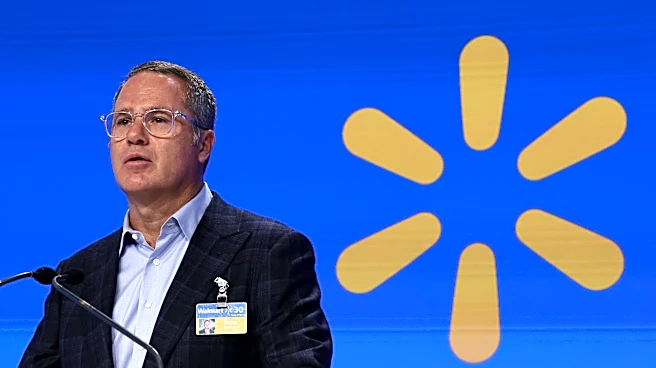
Walmart CEO John Furner has stated the company is actively working to keep prices low for consumers despite increasing diesel costs and broader inflationary pressures. According to a November 19 interview
with CNBC, Furner acknowledged that rising diesel fuel and transportation expenses directly impact the cost of goods. Walmart has reportedly rolled back prices on nearly 8,000 products nationwide. The company recently saw a 17% growth in global e-commerce sales, driven by store-fulfilled pickups and deliveries, and reported a 5.2% rise in quarterly revenue. Walmart has also increased its full-year sales guidance to between 4.9% and 5.2%. This effort comes as Americans face tightened budgets due to inflation and stagnant wages, leading to more selective purchasing and reduced discretionary spending. Food costs, in particular, have seen a significant increase, rising 0.5% in October and nearly 30% since 2020, largely due to supply chain issues, severe weather, and global events.
Why It's Important?
Walmart's commitment to maintaining low prices is crucial for American consumers, especially as two-thirds of Americans reported difficulty affording groceries in late 2024, according to The Washington Post. The retail giant's ability to absorb or mitigate rising operational costs, such as diesel fuel, directly impacts household budgets across the U.S. If Walmart succeeds in keeping prices down, it could provide a vital buffer against the broader economic challenges of inflation and stagnating wages. Conversely, if these efforts prove insufficient, the increased cost of goods could further strain consumer finances, potentially leading to reduced spending and a slowdown in economic activity. The ripple effect of supply chain disruptions, severe weather events like El Niño, and issues such as the screwworm epidemic affecting beef supply, highlight the interconnectedness of global and domestic factors on everyday consumer prices. The potential for tariffs and labor shortages due to immigration crackdowns could further exacerbate these price pressures, making Walmart's strategy a key indicator of consumer resilience.
What's Next?
Walmart will continue to monitor and respond to fluctuating diesel costs and supply chain dynamics, aiming to keep prices as low as possible. The company hopes to see a reduction in these operational costs in the near future. Consumers can expect Walmart to maintain its strategy of price rollbacks on various products as it navigates the current economic climate. The broader economic landscape will likely see ongoing challenges related to food prices, influenced by factors such as the severity of El Niño, the resolution of agricultural issues like the screwworm epidemic, and the impact of immigration policies on labor availability. The potential for new tariffs could also introduce additional upward pressure on prices. The effectiveness of Walmart's strategy will be a key factor in how American consumers manage their budgets in the coming months, with implications for overall retail spending and economic stability.
Beyond the Headlines
The situation at Walmart reflects a broader societal challenge in the U.S. concerning economic accessibility and the cost of living. The struggle of two-thirds of Americans to afford groceries points to a systemic issue beyond individual financial management, touching upon wage stagnation, inflation, and the fragility of global supply chains. Walmart's role as a major retailer places it at the forefront of this battle, with its pricing strategies having a significant impact on the economic well-being of millions. The interplay between environmental factors, such as severe weather and El Niño, and economic outcomes, like food prices, underscores the increasing vulnerability of the global food system. Furthermore, the mention of immigration crackdowns leading to labor shortages and affecting food costs highlights the complex socio-economic and political dimensions that influence the price of essential goods, revealing how policy decisions can have direct and tangible effects on consumer expenses and the overall quality of life.