
What's Happening?
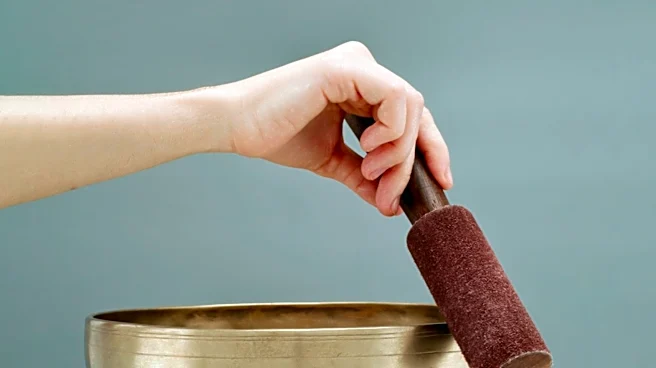
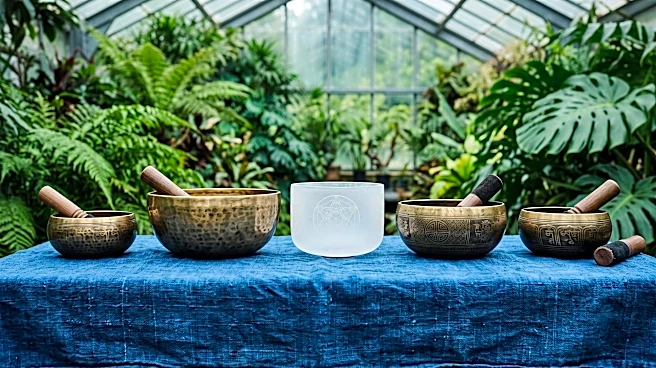
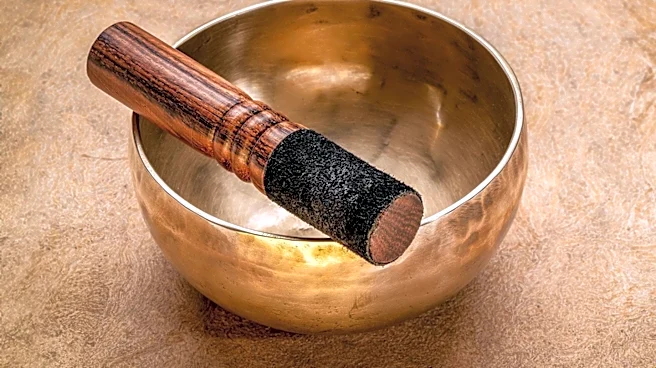
Sound baths, a form of sound healing utilizing resonant instruments like singing bowls and gongs, are gaining traction as a wellness experience across various U.S. cities. These sessions typically involve
participants lying on mats and listening to the sounds, aiming to induce relaxation, mental clarity, and activate natural healing systems. Locations such as Las Vegas offer a Luxury Sound Bath for $45, lasting 1 hour and 15 minutes, which includes coffee or tea and is wheelchair accessible. Nashville hosts a Sound Bath and Wellness Experience for $65, a one-hour session at a boutique studio. Miami Beach introduces a unique Floating Sound Bath for $65, where participants experience sound healing while floating. Additionally, a prototype sound bath in Columbus, Ohio, integrates singing bowls, live musicians, and immersive visuals, indicating an evolution in the experience. These offerings cater to individuals seeking gentle meditation and stress reduction.
Why It's Important?
The growing popularity of sound baths signifies a broader trend in the U.S. wellness industry towards alternative and holistic healing practices. This shift reflects an increasing consumer demand for experiences that address mental well-being, stress reduction, and relaxation, moving beyond traditional spa treatments. The accessibility and varied formats of sound baths, from beginner-friendly sessions to more immersive experiences, make them appealing to a diverse demographic, including those new to meditation. For the wellness sector, this trend opens new revenue streams and opportunities for specialized practitioners and studios. It also highlights a cultural embrace of practices that emphasize sensory engagement and mindfulness, potentially influencing how individuals approach self-care and mental health management in their daily lives. The relatively low entry cost for many sessions also makes this form of wellness accessible to a wider audience.
What's Next?
The expansion of sound bath offerings is likely to continue across more U.S. cities, with potential for increased specialization and integration into broader wellness programs. We may see more studios incorporating sound baths into yoga, meditation, and other holistic health packages. The development of more immersive and technologically enhanced sound bath experiences, similar to the Columbus prototype, could become a significant trend, attracting a wider audience seeking novel wellness activities. Corporate wellness programs might also begin to include sound baths as a tool for employee stress reduction and team building, given their reported benefits for relaxation and mental clarity. Furthermore, workshops on how to play sound bowls, such as those offered in Carson City, suggest a growing interest in personal practice and deeper engagement with sound healing, potentially leading to a rise in at-home sound therapy tools and resources.
Beyond the Headlines
Beyond their immediate wellness benefits, the rise of sound baths points to deeper societal shifts in how individuals seek to manage the stresses of modern life. The emphasis on passive reception—simply listening—contrasts with more active forms of exercise or meditation, appealing to those who find traditional mindfulness practices challenging. This trend also highlights a growing appreciation for the therapeutic potential of sound and vibration, drawing from ancient traditions and reinterpreting them for contemporary audiences. Ethically, as the industry grows, there may be increased scrutiny on the qualifications of practitioners and the scientific backing of claims, prompting a need for standardization and evidence-based practices. Culturally, the adoption of sound baths reflects a broader movement towards experiential consumption, where individuals prioritize unique, sensory-rich experiences over material goods, shaping the future landscape of leisure and self-care.