








What's Happening?
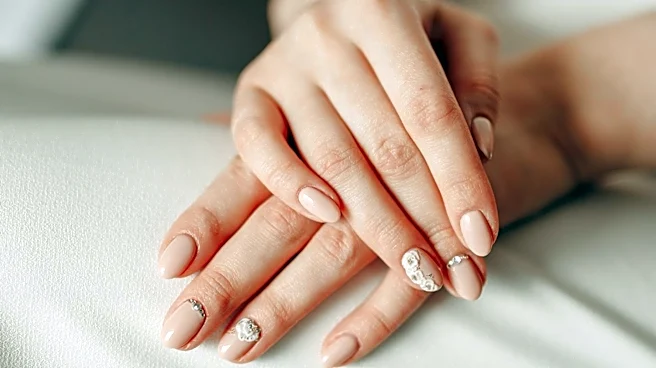
A recent study published in the journal Scientific Reports has highlighted a potential link between frequent use of nail cosmetics, such as gel polish, and the development of fungal nail infections, known as onychomycosis. The study examined 273 women
who regularly used nail polish and manicure treatments, finding that those who frequently used these products and experienced recurring nail injuries were more likely to develop nail fungus. The researchers clarified that gel polish itself does not directly cause nail fungus; rather, the repeated trauma to the nail structure from cosmetic treatments may facilitate the entry of fungi and other microorganisms beneath the nail plate. This can lead to infections that develop gradually and may not show obvious early symptoms. The study emphasizes the importance of monitoring nail health and being aware of changes in nail appearance, which could indicate underlying issues.
Why It's Important?
The findings of this study are significant as they shed light on the potential health risks associated with popular beauty practices. With gel polish and manicures being a common part of many women's beauty routines, understanding the risks of nail damage and fungal infections is crucial. This information is particularly relevant for the beauty industry and consumers who prioritize both aesthetics and health. The study suggests that while maintaining well-groomed nails is desirable, it is equally important to ensure that nail health is not compromised. This could lead to increased awareness and potentially influence beauty practices, encouraging consumers to take preventive measures such as allowing nails to rest between treatments and avoiding aggressive polish removal.
What's Next?
Following the study's findings, dermatologists recommend that women pay closer attention to their nail health, especially if they frequently use gel polish. It is advised to give nails rest periods between treatments and to be vigilant about any changes in nail color, texture, or shape. If signs of a fungal infection appear, it is important to seek appropriate treatment rather than simply covering the nail with more polish. Treatment options vary depending on the severity of the infection and may include topical preparations or oral medications. The study's insights may prompt further research into the long-term effects of nail cosmetics and influence industry standards for safer beauty practices.
Beyond the Headlines
The study also dispels the myth that nail fungus is solely linked to poor hygiene. It highlights that even women who are meticulous about personal care can develop nail fungus if their nails are weakened or if non-sterilized tools are used during treatments. This underscores the need for proper hygiene practices in salons and at home. Additionally, the study may encourage the development of new nail care products that prioritize both aesthetics and health, potentially leading to innovations in the beauty industry that focus on preventing nail damage and infections.