




What's Happening?
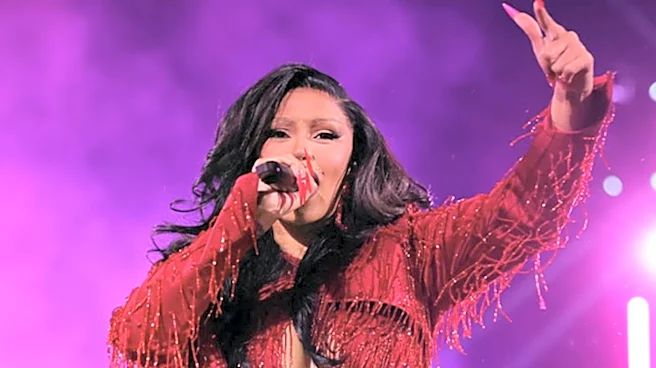
Cardi B, born Belcalis Marlenis Almánzar on October 21, 1992, is a Grammy Award-winning rapper, singer, and songwriter whose age has significantly influenced her career. Her birthdate places her within the Millennium Generation, a demographic cohort deeply
shaped by the internet's pervasive influence. This generational alignment has allowed Cardi B to leverage her youthful energy and online acumen to connect with a broad audience and promote her music effectively. She has openly acknowledged the unexpected nature of her rise to fame, stating in interviews that she 'never thought I'd be a famous rapper.' Her success is partly attributed to her strong social media presence, where her relatable persona and willingness to share personal stories have resonated globally. An incident where she was temporarily banned from Instagram highlighted to her the critical importance of digital engagement in her career.
Why It's Important?
Cardi B's career trajectory underscores a significant shift in the music industry, particularly within hip-hop and pop genres, where younger artists are increasingly dominating the landscape. Her success challenges traditional notions about the relationship between an artist's age and commercial viability. Hip-hop culture, which emerged in the late 20th century, consistently places newer generations at the forefront of its creative, technological, and cultural evolution. Cardi B exemplifies this trend, demonstrating how artists can bridge generational gaps and redefine musical demands. Her ability to capitalize on online platforms and maintain a strong digital presence illustrates the evolving strategies for artist promotion and audience engagement in the digital age, setting a precedent for aspiring musicians who are part of the internet-native generation.
What's Next?
The continued influence of artists like Cardi B suggests a sustained trend where digital engagement and a strong online presence will remain crucial for success in the music industry. Younger artists will likely continue to prioritize social media and other online platforms for promotion and direct audience interaction. This could lead to further innovations in how music is marketed and consumed, potentially diminishing the traditional gatekeepers of the industry. The emphasis on authenticity and relatability, as demonstrated by Cardi B, is also likely to persist, encouraging artists to share more personal narratives and engage directly with their fan bases. This ongoing evolution will likely see more artists from the Millennium Generation and subsequent generations leveraging their innate understanding of digital culture to achieve widespread recognition.
Beyond the Headlines
Cardi B's journey highlights broader societal shifts concerning celebrity, authenticity, and the democratization of fame through digital platforms. Her rise from a social media personality to a Grammy-winning artist challenges conventional pathways to stardom, emphasizing that raw talent combined with strategic online engagement can bypass traditional industry structures. This phenomenon raises questions about the future of talent discovery and development, potentially leading to a more inclusive and diverse entertainment landscape. Furthermore, her candidness and relatable persona on social media contribute to a cultural dialogue about vulnerability and self-expression in the public eye, influencing how public figures interact with their audiences and shaping expectations for celebrity authenticity in the digital age.