


What's Happening?
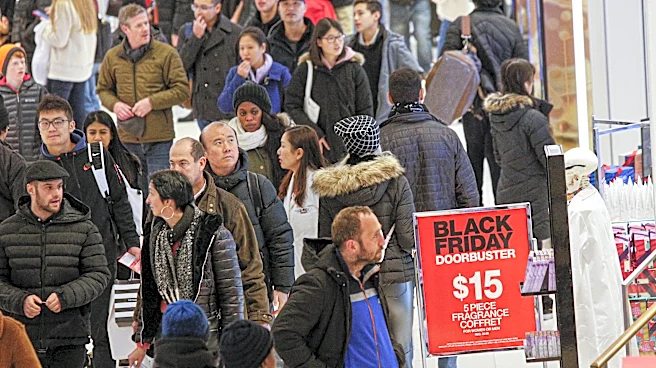
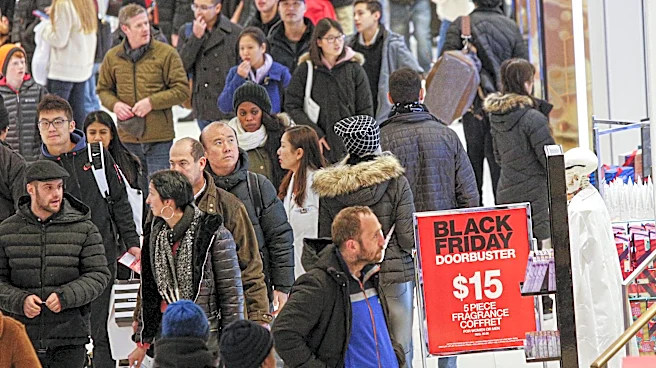
Major U.S. retailers, including Amazon, Walmart, Hoka, and Patagonia, have initiated early Black Friday sales, offering significant discounts on a wide array of products. These deals are appearing well in advance of the traditional Black Friday date,
which falls on November 27, 2026, the day after Thanksgiving. Consumers can find substantial markdowns on items ranging from tech gadgets like Apple AirPods Pro 3 and Dyson vacuums to home essentials such as Crock-Pots and Ugg throw blankets, as well as fashion items from brands like Kate Spade and Hanes. The early launch of these sales, often referred to as 'Black November,' allows shoppers to begin their holiday gift purchases and take advantage of deep discounts before the main event. Shopping experts are actively tracking price histories to identify the most valuable bargains, advising consumers to secure desired items before they sell out.
Why It's Important?
The early rollout of Black Friday deals signifies a strategic shift in the retail landscape, extending the holiday shopping season and intensifying competition among retailers. This trend benefits consumers by providing more opportunities to find discounted products and spread out their holiday spending. For retailers, it's an effort to capture consumer spending earlier and potentially mitigate the rush and logistical challenges associated with a condensed shopping period. The emphasis on 'deepest discounts of the year' across various categories, including tech and large appliances, suggests that retailers are keen to move inventory and stimulate demand. However, it also places pressure on consumers to discern genuine savings from inflated 'deals,' as not all Black Friday promotions offer substantial value. The widespread participation of major brands indicates a collective move to dominate the pre-holiday sales narrative.
What's Next?
The early Black Friday sales are expected to continue and intensify as Thanksgiving approaches, with new deals likely to emerge daily. Consumers should anticipate a continuous stream of promotions leading up to Black Friday on November 27 and extending through Cyber Monday on November 30. Retailers will likely monitor sales performance closely, adjusting their offerings based on consumer demand and inventory levels. Shoppers are advised to keep an eye on specific items they wish to purchase, as popular products may sell out quickly. The distinction between Black Friday and Cyber Monday sales, traditionally focused on in-store versus online deals, is becoming increasingly blurred, with many promotions spanning both channels. The period will culminate in Cyber Monday, which is historically a web-focused sales event, followed by Travel Tuesday on December 1, offering deals on travel-related services.
Beyond the Headlines
The prolonged Black Friday sales period reflects a broader evolution in consumer behavior and retail strategy. The 'Black November' phenomenon blurs the lines of traditional shopping holidays, potentially leading to consumer fatigue but also offering greater flexibility. This extended sales window could reshape how consumers plan their purchases, encouraging earlier shopping and potentially reducing the intensity of single-day shopping frenzies. It also highlights the increasing importance of online channels, as many of these early deals are accessible digitally. The competitive nature of these sales may also lead to a 'race to the bottom' on pricing for certain items, impacting retailer margins. Furthermore, the focus on 'legit markdowns' underscores the need for consumer vigilance against deceptive pricing practices, emphasizing the role of shopping experts in guiding purchasing decisions.