







What's Happening?
Reese Witherspoon is being recognized for her significant contributions to the literary community through her social media presence, book clubs, and podcasts. Her efforts are seen as instrumental in fostering literary engagement and boosting book sales,
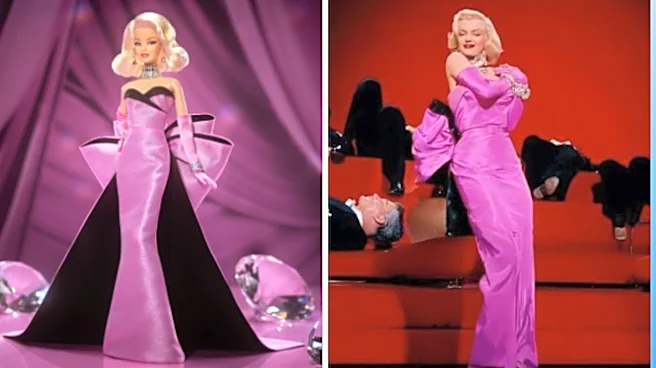
particularly in an era where entertainment options are abundant and book buying has faced challenges. Writers and publishers view celebrity endorsements, such as Witherspoon's, as beneficial for increasing book sales. This recognition highlights a shift in how celebrity bibliophiles are perceived, contrasting with historical figures like Marilyn Monroe, who, despite being well-read, was often ridiculed rather than celebrated for her intellectual pursuits. Witherspoon's influence underscores the growing impact of celebrity platforms on cultural consumption, specifically within the publishing industry.
Why It's Important?
The recognition of Reese Witherspoon's influence on the literary community and book sales is important because it illustrates the evolving dynamics between celebrity culture and traditional industries. In a fragmented media landscape, celebrity endorsements can provide a crucial boost to sectors like publishing, which often struggle for visibility amidst proliferating entertainment choices. This trend benefits authors and publishers by offering a powerful marketing channel, potentially reaching wider audiences and driving sales. For consumers, celebrity-led book clubs and recommendations can serve as curated guides, introducing them to new authors and genres. However, it also raises questions about the commodification of literature and the potential for celebrity influence to overshadow critical literary discourse. The comparison to Marilyn Monroe highlights a historical disparity, suggesting a more accepting contemporary environment for female celebrities to openly embrace and promote intellectual interests.
What's Next?
The continued influence of celebrities like Reese Witherspoon in the literary world suggests a future where such endorsements will likely become an even more integrated part of publishing strategies. Publishers may increasingly seek out partnerships with influential figures to promote new releases and engage with broader audiences. We can anticipate more celebrity-led book clubs, podcasts, and social media campaigns designed to leverage personal brands for literary promotion. This trend could lead to a greater emphasis on discoverability through personality-driven platforms, potentially altering traditional marketing approaches for books. Additionally, the success of these initiatives might encourage other public figures to engage with and champion various cultural sectors, further blurring the lines between entertainment and intellectual pursuits.
Beyond the Headlines
Beyond the immediate impact on book sales, Reese Witherspoon's role in the literary community touches upon deeper cultural and ethical implications. Her influence highlights the power of curated content in an age of information overload, where trusted voices can guide consumer choices. This phenomenon also raises questions about authenticity and the commercialization of intellectual pursuits. While celebrity endorsements can democratize access to literature, they might also inadvertently shape literary tastes and trends, potentially favoring certain genres or authors who align with popular appeal. The contrast with Marilyn Monroe's experience underscores a societal shift towards greater acceptance of female celebrities as intellectual figures, challenging historical biases that often dismissed their intelligence. This evolution reflects broader changes in how society values and perceives the intersection of fame, intellect, and cultural contribution.