









What's Happening?
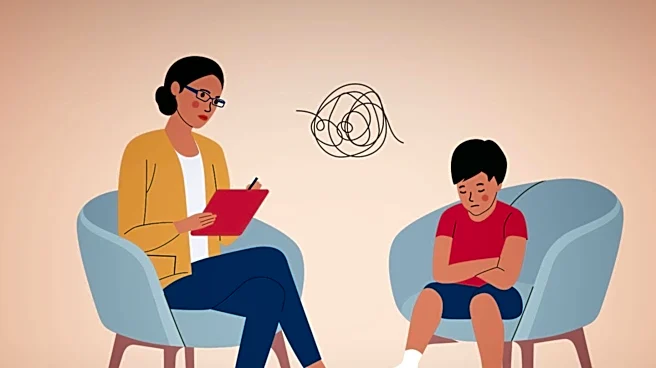
Family therapy is a form of group talk therapy designed to enhance relationships and resolve conflicts among individuals who consider themselves family, regardless of biological ties or living arrangements. This therapeutic approach addresses problems
within the family system rather than focusing solely on individuals. Common types of family therapy include Structural Family Therapy, which examines family functioning and connections; Strategic Family Therapy, which focuses on how family patterns influence behavior; and Cognitive Behavioral Therapy (CBT), which helps identify negative thoughts and their impact on family interactions. According to the University of Maryland Medical System, families typically attend 10-20 sessions over several months, with the duration depending on specific goals. Licensed marriage and family therapists, psychologists, licensed clinical professional counselors, and licensed clinical social workers are qualified to provide these services.
Why It's Important?
Family therapy plays a vital role in addressing a wide range of challenges that can impact family well-being and societal stability. It provides a structured environment for families to improve communication, set healthy boundaries, and resolve long-standing conflicts, which are often cited as primary reasons for seeking therapy. By understanding how each member's feelings and actions affect the entire family unit, participants can learn to support each other more effectively and reduce harmful behaviors. This is particularly important in complex family dynamics, such as those involving intergenerational stress, caregiving responsibilities, grief, major life changes, or mental health and substance use issues affecting a family member. The American Association for Marriage and Family Therapy reports that 90% of participants experience improved emotional health, and nearly 66% see improvements in their physical health, highlighting the significant positive impact on overall quality of life.
What's Next?
As awareness of mental health and relational well-being grows, the demand for family therapy services is likely to increase. Healthcare providers and mental health professionals will continue to integrate family therapy into broader treatment plans, recognizing its effectiveness in addressing systemic issues. Further research may lead to the development of new therapeutic techniques or refinements of existing ones, tailored to the evolving complexities of modern family structures and societal pressures. Additionally, there may be an increased focus on making family therapy more accessible through various platforms, including telehealth, to reach a wider range of families who could benefit from these interventions. Educational initiatives aimed at destigmatizing therapy and promoting its benefits will also be crucial in encouraging more families to seek help proactively.
Beyond the Headlines
The broader implications of family therapy extend beyond individual family units to influence community health and societal resilience. Stronger, more functional families contribute to more stable communities, potentially reducing rates of social issues stemming from family dysfunction. Ethically, family therapy upholds the principle of collective well-being, recognizing that individual health is often intertwined with relational health. It also promotes empathy and understanding, fostering a culture of support and mutual respect within families. Culturally, the increasing acceptance and utilization of family therapy reflect a growing recognition of the diverse forms families take and the unique challenges they face in a rapidly changing world. This therapeutic approach helps deconstruct traditional notions of family roles and dynamics, encouraging more equitable and adaptive relational patterns that can better withstand modern stressors.