





What's Happening?
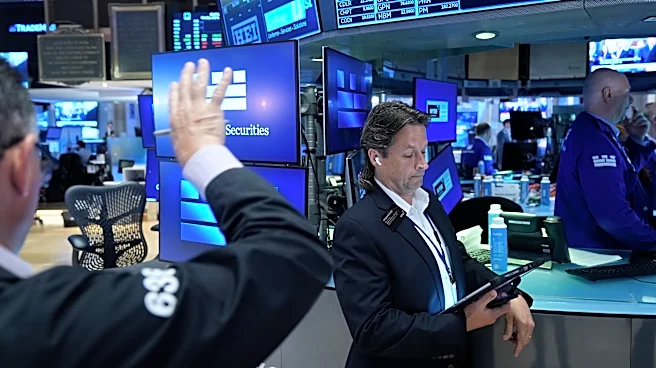
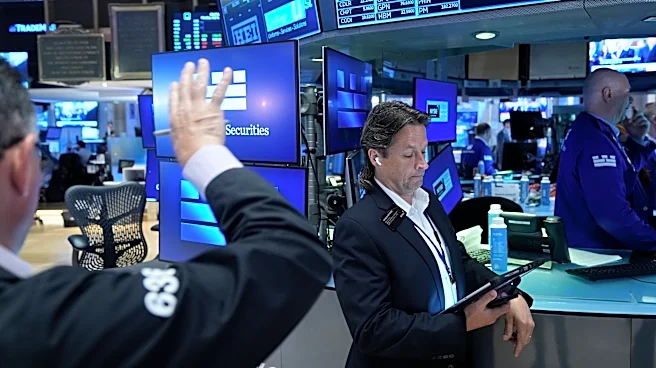
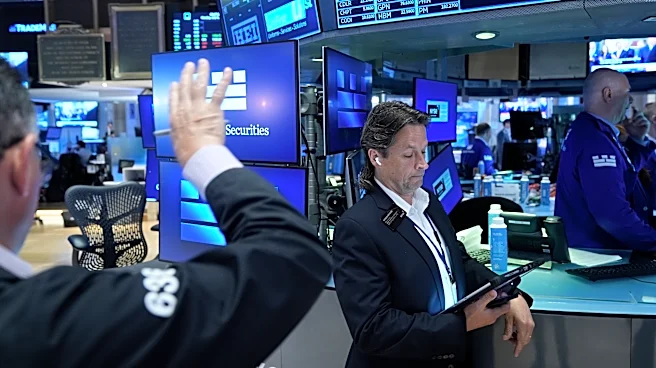
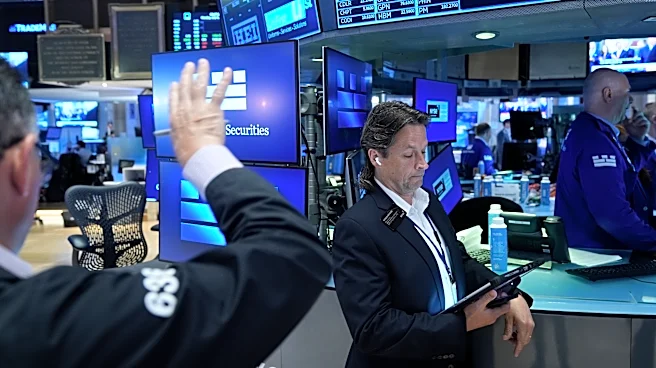
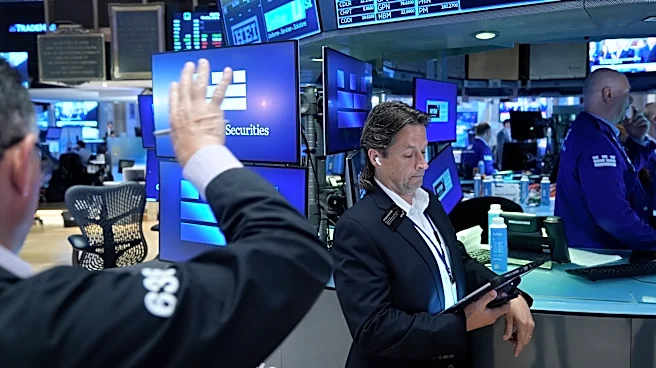
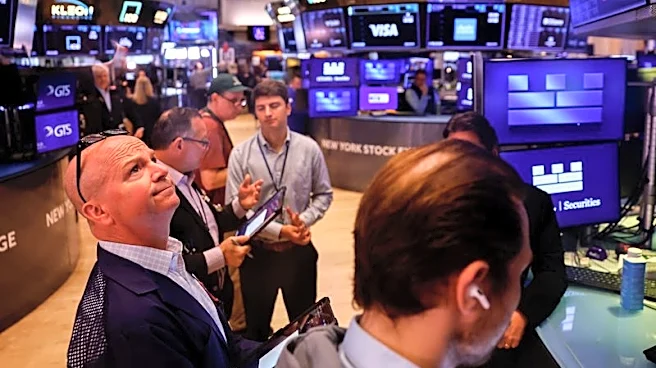
Goldman Sachs and JPMorgan Chase have reported record quarterly revenues, driven by significant gains in equities trading and investment banking. Goldman Sachs saw a 39% increase in revenue to $20.3 billion, while JPMorgan Chase experienced a 27% rise
to $58 billion. This surge is attributed to the widespread integration of artificial intelligence in financial markets, which has led to increased activity in IPOs, index rebalancing, and trading, particularly in Asia. The banks are capitalizing on AI-related deals, financing data centers, and underwriting debt and equity offerings. This trend is part of a broader AI capital expenditure cycle, which is expected to continue for the next three to five years.
Why It's Important?
The record revenues reported by Goldman Sachs and JPMorgan Chase highlight the transformative impact of artificial intelligence on the financial sector. As AI becomes more integrated into financial markets, banks are finding new opportunities for growth and profitability. This shift not only benefits the banks but also has a ripple effect across the American economy, as increased capital flows and trading activities stimulate economic growth. The success of these banks underscores the importance of technological innovation in maintaining competitiveness in the financial industry. However, the reliance on AI also raises concerns about market volatility and the potential for increased systemic risk.
What's Next?
As the AI-driven investment cycle continues, Goldman Sachs and JPMorgan Chase are likely to further expand their involvement in AI-related financial activities. This could lead to increased competition among banks to secure AI-related deals and investments. Additionally, the ongoing integration of AI in financial markets may prompt regulatory scrutiny to ensure market stability and protect against potential risks. Stakeholders, including investors and policymakers, will need to monitor these developments closely to adapt to the evolving financial landscape.