







What's Happening?
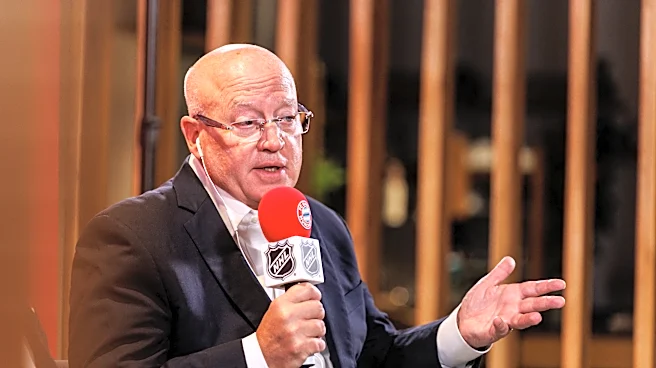
The Vegas Golden Knights are deliberately pursuing a strategy of signing players with damaged reputations, a philosophy confirmed by president George McPhee. This approach has been a characteristic of the franchise since its inception, setting it apart
from other organizations that might shy away from players with past off-ice issues. McPhee articulated this stance on the Cam And Strick Podcast, specifically addressing the team's willingness to take chances on individuals like goaltender Carter Hart. He differentiated between genuinely problematic individuals and young people who have made mistakes, suggesting that 'youthful mistakes should not define a person's entire future.' McPhee also warned against a 'culture of cancellation,' arguing that denying opportunities to young players who have erred could lead to worse outcomes. The team's commitment to offering second chances is a core tenet of their roster construction strategy, aiming to rehabilitate players both on and off the ice.
Why It's Important?
This strategy by the Vegas Golden Knights carries significant implications for player development, team culture, and the broader sports landscape. By actively seeking out and signing players with controversial pasts, the Golden Knights are challenging conventional wisdom in professional sports, which often prioritizes pristine public images. This approach could offer a pathway for talented athletes to rebuild their careers and personal lives, potentially benefiting both the players and the team if rehabilitation efforts are successful. However, it also exposes the franchise to increased scrutiny and potential public relations challenges, as critics may argue that some situations extend beyond mere 'youthful mistakes.' The success or failure of this strategy could influence how other sports organizations view player rehabilitation and second chances, potentially leading to a shift in how teams assess character alongside athletic ability. It also highlights a philosophical debate within sports regarding accountability, redemption, and the role of professional teams in supporting players through personal challenges.
What's Next?
The immediate future will see how the players signed under this philosophy perform, both on and off the ice. The hockey community will closely monitor the Golden Knights' roster, particularly individuals like Carter Hart, to assess the effectiveness of this controversial strategy. The team's performance in upcoming seasons, coupled with the conduct and rehabilitation of these players, will largely determine whether this approach gains wider acceptance or continues to draw criticism. If these players contribute positively to the team's success and demonstrate genuine personal growth, it could validate McPhee's philosophy and potentially encourage other franchises to consider similar strategies. Conversely, any further incidents or poor performance could intensify debate and pressure on the Golden Knights to reconsider their stance. The ongoing discussion will likely involve fans, media, and other NHL executives, shaping future conversations around player character and second chances in professional sports.
Beyond the Headlines
The Golden Knights' strategy delves into deeper societal questions about forgiveness, rehabilitation, and the impact of past mistakes on future opportunities. In an era often characterized by 'cancel culture,' the team's stance offers a counter-narrative, emphasizing the potential for growth and redemption. This approach could foster a unique team culture that values resilience and personal development, potentially creating a more supportive environment for players facing challenges. However, it also raises ethical considerations regarding the nature of the 'mistakes' being overlooked and the potential impact on victims or affected communities. The long-term success of this strategy could redefine what constitutes acceptable risk in professional sports and influence how public figures are perceived and reintegrated into society after controversies. It challenges the notion that a single misstep should permanently disqualify an individual, prompting a re-evaluation of societal expectations for accountability and second chances.