
What's Happening?
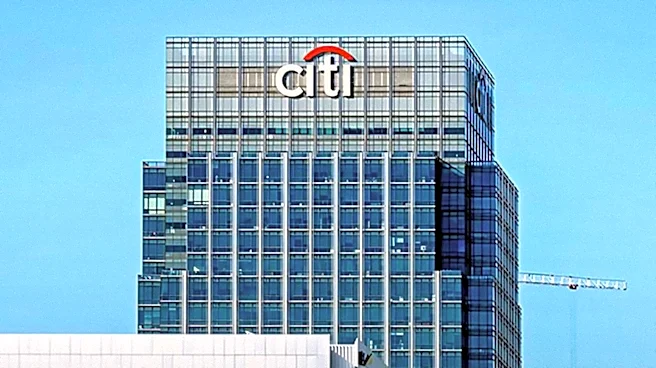
Major U.S. banks, including JPMorgan Chase and Citi, have implemented restrictions or outright blocked third-party AI agents from accessing customer bank accounts. This move comes as financial institutions
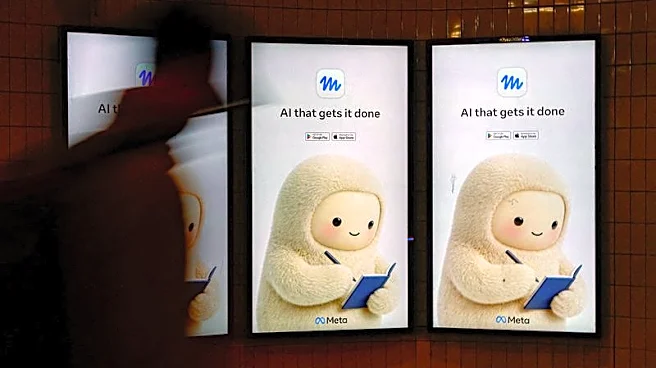
grapple with the rapid advancement of AI technology and the associated security risks. The concern stems from the potential for AI agents, which can independently perform tasks like making reservations or purchases, to mishandle financial data, make unintended transactions, or be exploited by hackers. These AI agents, such as Meta's Muse, have seen significant adoption, with over 10 million downloads since their launch, creating a complex risk management challenge for the financial sector. Banks are particularly worried about the lack of security controls in many AI agents and their limited visibility into the mandates given to these agents by users. The speed and scale at which AI agents can operate further amplify these risks, as thousands of transactions could occur rapidly without immediate human oversight.
Why It's Important?
The decision by leading U.S. banks to restrict AI agent access highlights a critical tension between technological innovation and financial security. This development is significant because it underscores the growing concerns within the financial industry regarding the integrity and safety of customer assets in an increasingly AI-driven world. If AI agents were to gain unfettered access, they could rapidly move customer deposits, potentially impacting banks' funding stability or even amplifying the risk of bank runs during a crisis. Furthermore, the lack of clear accountability when AI agents make errors or are compromised poses a substantial legal and ethical challenge. This situation could lead to significant financial losses for consumers and reputational damage for banks. The actions taken by these banks signal a cautious approach to integrating advanced AI into core financial services, prioritizing security over convenience until robust safeguards are established.
What's Next?
In the immediate future, U.S. banks are likely to continue refining their policies regarding AI agent access, potentially updating user agreements to clarify liability for actions taken by these agents. The industry will likely focus on developing more secure protocols and standards for AI agent interaction with financial systems. This could involve collaborative efforts between financial institutions, technology providers, and regulatory bodies to establish frameworks like 'Know Your Agent' protocols, similar to those being explored by the Monetary Authority of Singapore. Such protocols would aim to ensure that AI agents can securely carry out financial transactions while providing banks with necessary visibility and control. Consumers, meanwhile, are advised to exercise caution when experimenting with AI agents, particularly regarding sensitive financial information, as the technology is not yet considered safe enough for unfettered access to bank accounts.
Beyond the Headlines
The broader implications of this development extend to the evolving landscape of digital trust and consumer responsibility in the age of AI. As AI agents become more sophisticated and integrated into daily life, the line between human and machine agency in financial decisions blurs. This raises fundamental questions about who is ultimately responsible when AI agents make mistakes or are exploited. The current banking restrictions may spur innovation in AI security and auditing, pushing developers to build more transparent and controllable AI systems. Furthermore, it could accelerate the debate around regulatory frameworks for AI in finance, potentially leading to new legislation or industry-wide standards that address issues of liability, data privacy, and algorithmic transparency. This situation also highlights a cultural shift where the convenience offered by AI must be carefully weighed against the inherent risks, prompting a re-evaluation of 'cyberhygiene' in an increasingly automated world.