







What's Happening?
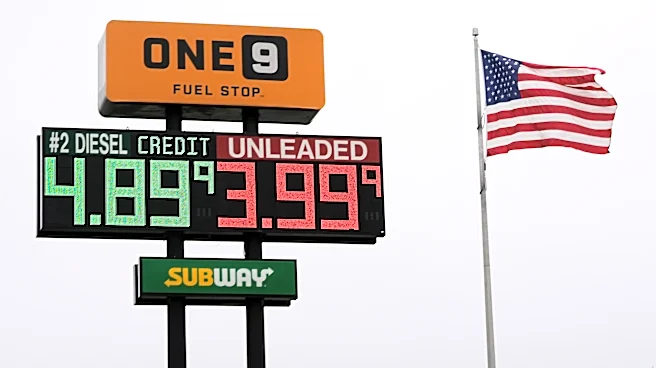
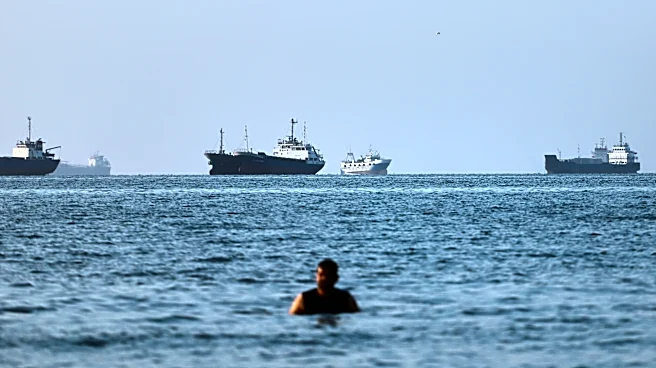
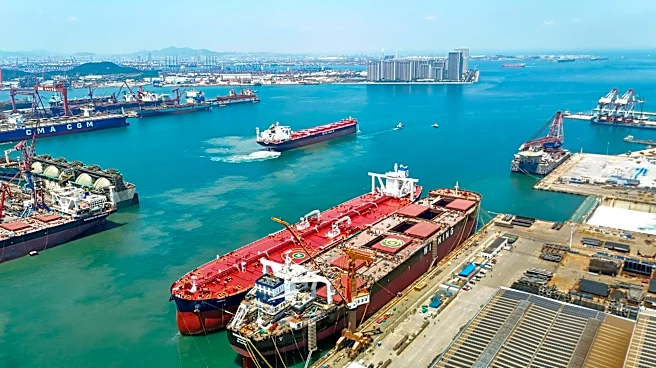
Despite a tentative deal to end the Iran war, experts predict that high prices for gas, groceries, and flights will continue. The disruption in the Strait of Hormuz has affected crude oil supplies and supply chains for various goods. Economists suggest
that even as oil starts flowing again, it will take time for consumers to see price reductions due to the advance payments refineries make for crude oil.
Why It's Important?
The prolonged high prices could have significant economic implications, affecting consumer spending and inflation rates. Industries reliant on fuel and raw materials may face increased costs, impacting their profitability and pricing strategies. This situation underscores the interconnectedness of global events and local economic conditions, highlighting the need for strategic planning in supply chain management.
What's Next?
As the situation unfolds, businesses and consumers will need to adapt to the ongoing economic pressures. Policymakers may consider interventions to stabilize prices and support affected industries. The resolution of the Iran conflict and its impact on global oil markets will be closely monitored by economic stakeholders.