


What's Happening?
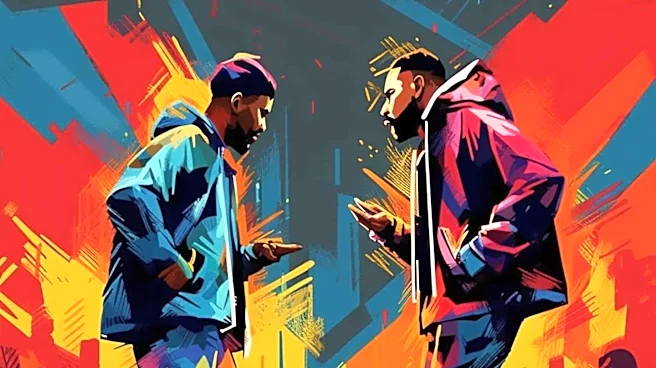
Modern hip-hop is characterized as a continuously evolving art form that has moved beyond its traditional roots while still maintaining lyrical storytelling, as exemplified by artists like Kendrick Lamar and J. Cole. The genre has become increasingly
experimental and unconventional, with artists delving into diverse topics such as socio-economic adversity and mental health. This shift has led to a more raw and authentic hip-hop scene, where vulnerability is openly showcased. A significant factor in this evolution is the platform Soundcloud, which has allowed emerging artists to rapidly gain recognition. This free streaming service enables anyone to upload music, fostering the rise of prominent figures in hip-hop today, including Playboi Carti, Juice WRLD, XXXtentacion, and Lil Uzi Vert, all of whom emerged from the 'Soundcloud Era.' These artists introduced new styles and perspectives, often utilizing 'mumbled-rap' and autotune, which, despite initial resistance from some traditional fans, proved commercially successful.
Why It's Important?
The evolution of hip-hop reflects broader cultural shifts in how artists express themselves and connect with audiences. The genre's embrace of experimental sounds and unconventional lyrical themes, such as mental health and socio-economic struggles, signifies a move towards greater authenticity and vulnerability in mainstream music. This can foster deeper connections with listeners who relate to these personal narratives, potentially influencing public discourse on these topics. The rise of platforms like Soundcloud democratizes music distribution, allowing artists to bypass traditional gatekeepers and directly reach a global audience. This shift empowers independent artists and diversifies the soundscape of hip-hop, ensuring a constant influx of new talent and innovative styles. The commercial success of artists who emerged from Soundcloud demonstrates the platform's significant impact on the music industry's talent pipeline and consumption patterns.
What's Next?
The trajectory of hip-hop suggests a continued push towards genre-bending and thematic exploration. As artists continue to experiment with sound and lyrical content, the boundaries of what constitutes hip-hop will likely expand further. The influence of digital platforms like Soundcloud is expected to persist, providing a fertile ground for new artists to emerge and challenge existing norms. This could lead to even more diverse sub-genres and a greater emphasis on individual artistic expression over traditional genre conventions. Future developments may also include increased collaborations across different musical styles and a continued focus on social commentary and personal narratives, reflecting ongoing societal changes and the evolving experiences of artists and their audiences.
Beyond the Headlines
The transformation of hip-hop extends beyond musical trends, touching upon significant cultural and economic implications. The genre's willingness to tackle sensitive subjects like mental health contributes to destigmatization and encourages open dialogue within communities. Economically, the success of independent artists through platforms like Soundcloud challenges the traditional music industry model, potentially leading to more equitable revenue distribution and artist control. This shift also highlights the power of direct-to-consumer models in the digital age. Culturally, hip-hop continues to be a powerful voice for marginalized communities, reflecting their experiences and perspectives. The genre's constant evolution ensures its relevance and its capacity to adapt to new social landscapes, making it a dynamic force in contemporary culture.