



What's Happening?
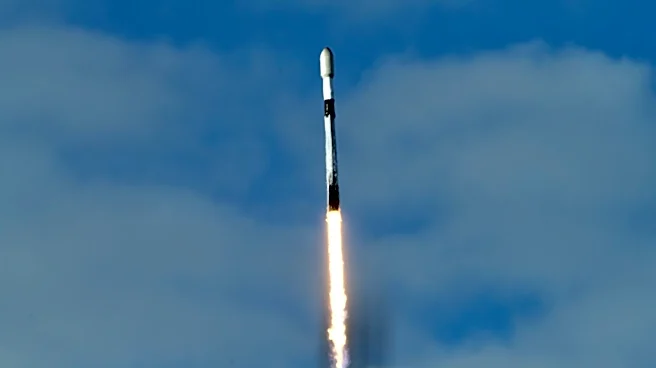
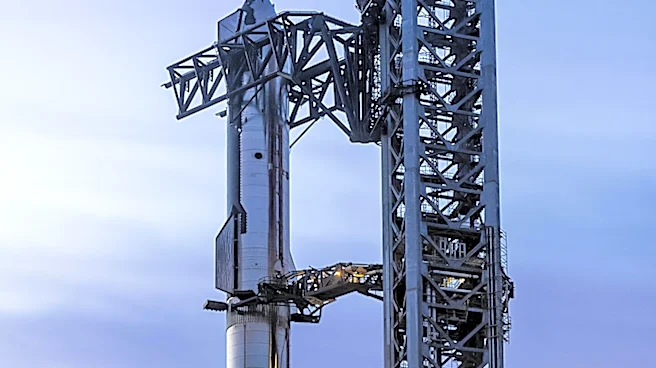
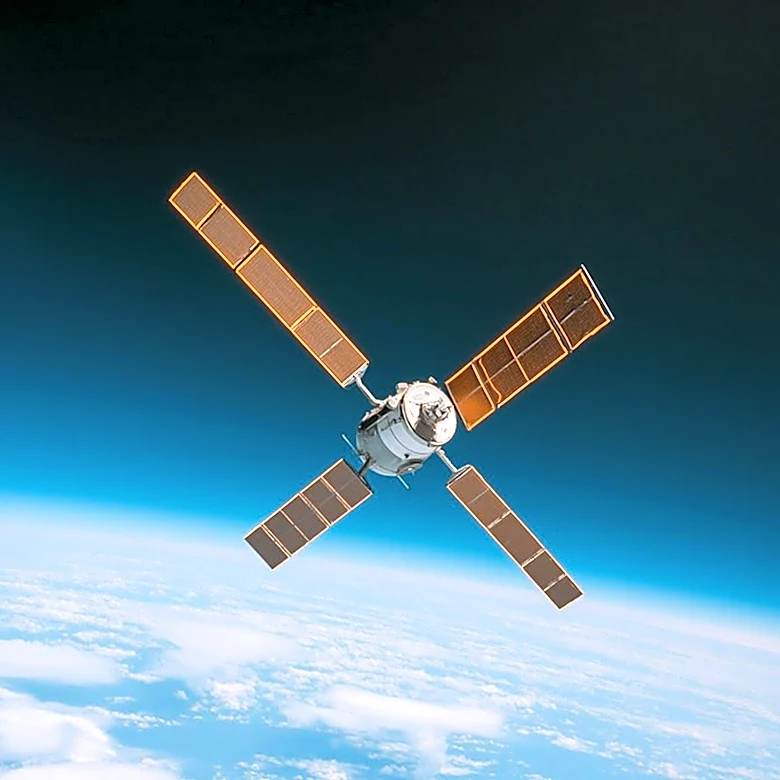
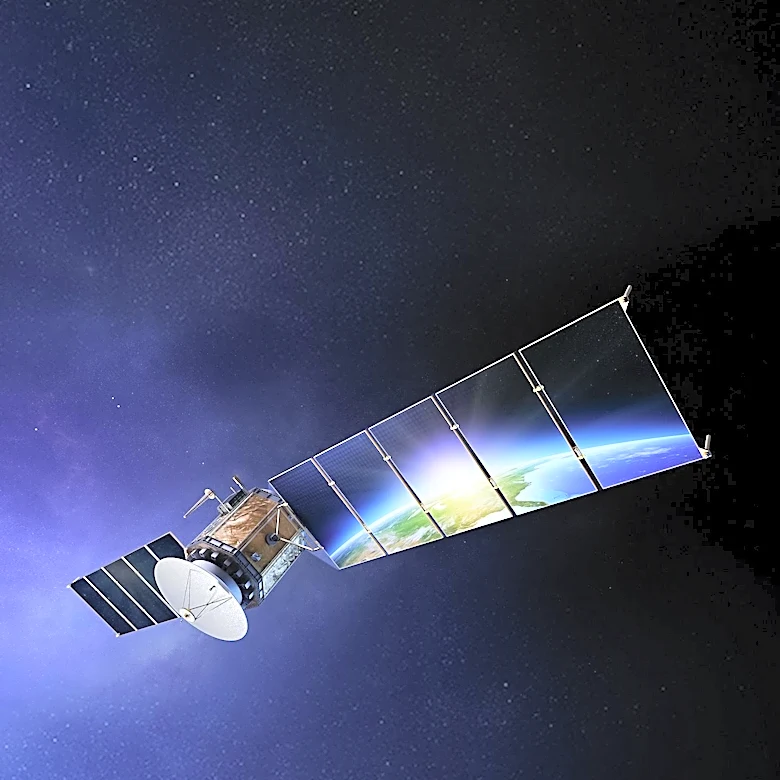
SpaceX's Starship achieved a significant milestone with its 13th flight, successfully deploying operational Starlink V3 satellites for the first time. The launch took place from Starbase, Texas, and involved the deployment of next-generation satellites designed
to enhance the Starlink network's capacity. The mission addressed previous technical issues, with all 33 Raptor engines on the Super Heavy booster performing nominally. Both stages of the rocket executed controlled descents, with the upper stage achieving a notably soft splashdown. This mission marks a transition for Starship from a test vehicle to a functional payload delivery system, crucial for the expansion of the Starlink constellation.
Why It's Important?
This successful deployment is a critical step for SpaceX as it seeks to use Starship as a primary vehicle for launching Starlink satellites, reducing reliance on the Falcon 9. The ability to deploy operational satellites confirms Starship's potential to support the growing demand for global internet coverage. The mission's success provides valuable data for SpaceX, aiding in the refinement of the vehicle's systems and procedures. This development is significant for the satellite internet industry, as it could lead to more efficient and cost-effective satellite deployments, enhancing global connectivity.
What's Next?
SpaceX will likely focus on increasing the launch cadence of Starship to meet its ambitious goals for the Starlink constellation. The company aims to transition from suborbital tests to regular orbital deployments, which will require further refinement of the vehicle's systems and procedures. Additionally, SpaceX will continue to address any remaining technical challenges to ensure the reliability and safety of future missions. The next steps will involve scaling up the Starlink V3 deployments to enhance network capacity and meet the growing demand for satellite internet services.